
How to Prevent Algae Blooms in Freshwater Aquariums: A Complete Balance Guide
Maintaining a crystal-clear freshwater aquarium is one of the most rewarding aspects of fishkeeping, but dealing with sudden green water or stubborn fuzz can test any hobbyist's patience. When micro-organisms multiply unchecked, they can quickly overtake your display, compromise water quality, and stress your aquatic pets. To truly keep your tank looking pristine, you need to master the art of ecosystem balance rather than relying on quick chemical fixes. This comprehensive guide explores the root causes of unwanted growth and offers practical, sustainable methods to prevent algae blooms in freshwater aquariums for the long term.
Creating a balanced aquatic environment is not an overnight achievement; it is an ongoing practice of observation, testing, and fine-tuning. Every freshwater tank functions as a miniature biosphere where light, biological waste, plant life, and animal inhabitants constantly interact. When one of these pillars falls out of equilibrium, opportunistic organisms such as green water algae, hair algae, and blue-green algae seize the opportunity to multiply rapidly. Understanding the delicate harmony of your setup empowers you to address the source of imbalances instead of constantly battling the visual symptoms.
In this in-depth guide, we will break down the exact biological and environmental mechanisms that trigger algae outbreaks. We will cover comprehensive lighting strategies, advanced nutrient management, effective stocking routines, preventative cleaning schedules, and the specific roles that various flora and fauna play in maintaining a sparkling, healthy freshwater showcase.

Understanding the Root Causes of Aquarium Algae
Before you can successfully control unwanted growths, it helps to understand why they appear in the first place. Algae spores are naturally present in every aquatic environment, hitching rides on plants, decorations, and even the water itself. When conditions are right, these spores take advantage of excess resources. The three primary catalysts for rampant growth are intense lighting, high levels of dissolved nutrients, and poor water circulation.
When light duration or intensity exceeds what your live plants can consume, excess photon energy fuels rapid algal division. Similarly, high concentrations of nitrates and phosphates—often resulting from overfeeding, infrequent water changes, or overcrowded stocking—act as a high-powered fertilizer for nuisance algae. Identifying which element is out of balance in your specific setup is the first step toward long-term clarity.
It is also vital to recognize that algae are not inherently "evil." They are primitive non-flowering aquatic organisms that play a vital role in natural ecosystems by processing waste and providing grazing surfaces. However, inside the glass confines of an artificial aquarium, their aggressive growth rate can quickly become an aesthetic and biological nuisance. By examining how light, carbon dioxide, and macronutrients intersect, you can manipulate these variables to favor higher plants over microscopic invaders.
Mastering Lighting Schedules and Intensity
Light is essential for viewing your fish and helping live plants thrive, but it is also the primary fuel source for algae. Many beginners make the mistake of leaving aquarium lights on for 10 to 12 hours a day, mimicking tropical daylight cycles without realizing that modern high-output LED fixtures deliver far more intensity than natural shallow streams.
To stop algae before it starts, reduce your photoperiod to a consistent six to eight hours daily. Investing in a simple programmable timer ensures your lights turn on and off at the exact same time every day, preventing sporadic exposure. If your aquarium is located near a window, indirect natural sunlight can also trigger sudden green water outbreaks. Consider repositioning the tank or using room-darkening shades during peak afternoon hours.
Furthermore, consider implementing a "siesta schedule" if you struggle with persistent algae. By programming your LED light to turn on for four hours in the morning, turn off completely for a four-hour midday break, and turn back on for another four hours in the evening, you disrupt the continuous energy supply that certain stubborn algae species require to thrive. Meanwhile, your live plants comfortably absorb nutrients during both photoperiods without being overwhelmed.
Optimizing Nutrient Levels and Feeding Habits
Excess nutrients in the water column are a major driver of stubborn algae. Every flake of fish food that sinks uneaten decays into ammonia, which converts through the nitrogen cycle into nitrate—a prime nutrient for green water and hair algae. Adjusting your feeding habits is one of the most effective preventive measures you can take.
Feed your fish only what they can consume within two minutes, and remove any leftover food immediately. If you need help calculating precise feeding portions for your aquatic pets, you can explore the Pet Food Calculator to refine your routine. Additionally, performing regular partial water changes—typically 20 to 30 percent weekly—dilutes accumulated nitrates and keeps overall water quality stable.
Managing nutrient export goes beyond feeding protocols. Stocking density directly correlates with bioload accumulation. Overcrowding a freshwater tank without a proportional increase in plant mass or filtration capacity guarantees high nitrate levels. Always research the adult size and bioload impact of every fish species before adding them to your community display. Testing your tap water for nitrates and phosphates is another crucial diagnostic step; sometimes, the water source itself introduces high levels of unwanted minerals into your aquarium.
The Vital Role of Live Aquatic Plants
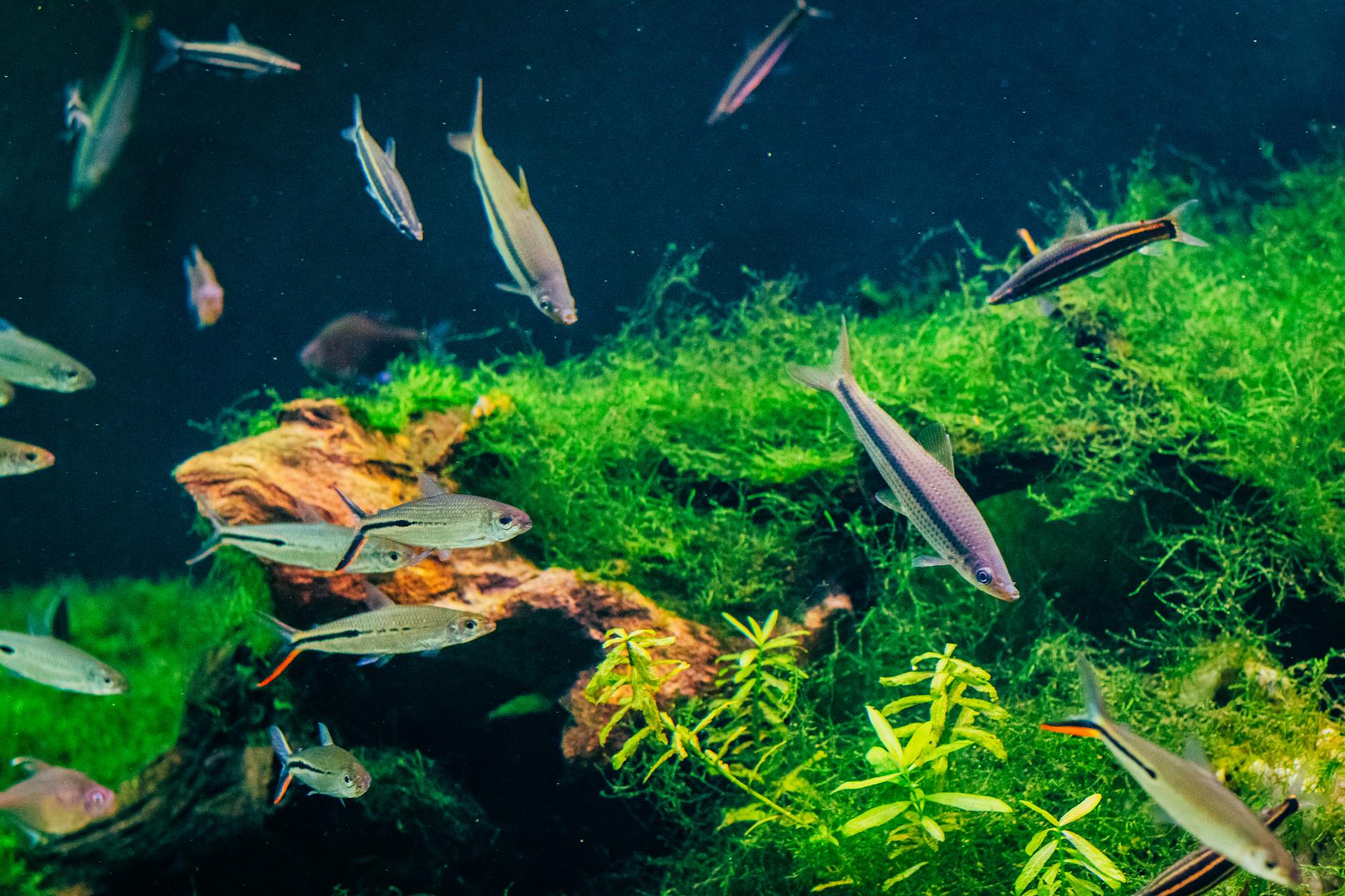
One of the best natural defenses against nuisance algae is a robust collection of healthy live plants. Fast-growing stem plants and floating species consume nitrates, phosphates, and trace minerals much faster than micro-algae can, effectively starving out unwanted competition.
- Stem Plants: Species like Hygrophila, Cabomba, and Ludwigia grow rapidly and pull heavy amounts of organic waste directly from the water column.
- Floating Plants: Frogbit, Salvinia, and Red Root Floaters help diffuse intense overhead lighting while feeding heavily on surface nutrients.
- Root Feeders: Cryptocorynes and sword plants utilize nutrient-rich substrate, keeping the water column cleaner for longer periods.
- Epiphytes: Java Fern and Anubias species consume nutrients slowly and securely attach to driftwood, providing continuous biological stability.
If you are setting up a new habitat or re-scaping an existing display, keeping track of your aquatic volumes ensures you dose fertilizers and maintain stocking levels accurately. You can use the Aquarium Volume Calculator to confirm your exact water capacity.
When introducing new live plants to your freshwater aquarium, make sure they are healthy and free of hitchhiking algae spores or pest snails. Quarantine plants in a separate container for a few days or perform a gentle alum dip if necessary. Healthy plants transition smoothly into your aquascape, immediately establishing a competitive biological edge against any dormant algae spores waiting in the water column.
Establishing a Consistent Maintenance Routine
Prevention requires consistency. A haphazard cleaning schedule allows organic debris to build up in filter media and gravel beds, eventually feeding unexpected outbreaks. Build a reliable routine that includes weekly glass scraping, filter media rinsing in discarded tank water (never tap water, which destroys beneficial bacteria), and thorough gravel vacuuming.
Water circulation also plays an underappreciated role. Dead zones where water flow is sluggish allow detritus to settle and algae spores to anchor themselves. Ensure your filter output and any additional powerheads create gentle, uniform movement throughout every corner of the display.
A well-structured maintenance calendar ensures that routine chores never slip through the cracks. Dedicate specific tasks to specific days: test water parameters on Wednesday, perform water changes and glass scraping on Saturday, and inspect filter flow rates bi-weekly. Consistent maintenance removes organic mulm, prevents mineral crust buildup on rimless glass edges, and ensures your beneficial bacterial colony remains robust enough to process ammonia instantly.
Common Mistakes to Avoid in Algae Prevention
Even experienced hobbyists occasionally fall into traps that trigger unwanted algae blooms. Recognizing these pitfalls helps you protect your freshwater ecosystem from avoidable setbacks:
- Over-Reliance on Chemical Algaecides: Dumping bottled treatments into your tank treats the symptoms while ignoring the root cause, often stressing fish and killing sensitive live plants in the process.
- Neglecting Filter Maintenance: Clogged filter sponges reduce water turnover and trap decaying detritus, slowly leaching nitrates back into the water column.
- Imbalanced Carbon Dioxide (CO2): In high-tech planted setups, fluctuating CO2 levels stress plants, causing them to stall and leaving the door wide open for aggressive green dust and staghorn algae.
- Ignoring Tap Water Quality: Failing to test incoming water change sources can introduce high phosphates or silicates directly into your display tank.
- Inconsistent Lighting: Manually switching lights on and off at erratic times confuses plant biological clocks and encourages algal opportunism.
By consciously avoiding these missteps, you foster a stable, predictable aquatic environment where your livestock and plants thrive while nuisance algae remains starved of resources.
Species-Specific Steps for Specialized Freshwater Setups
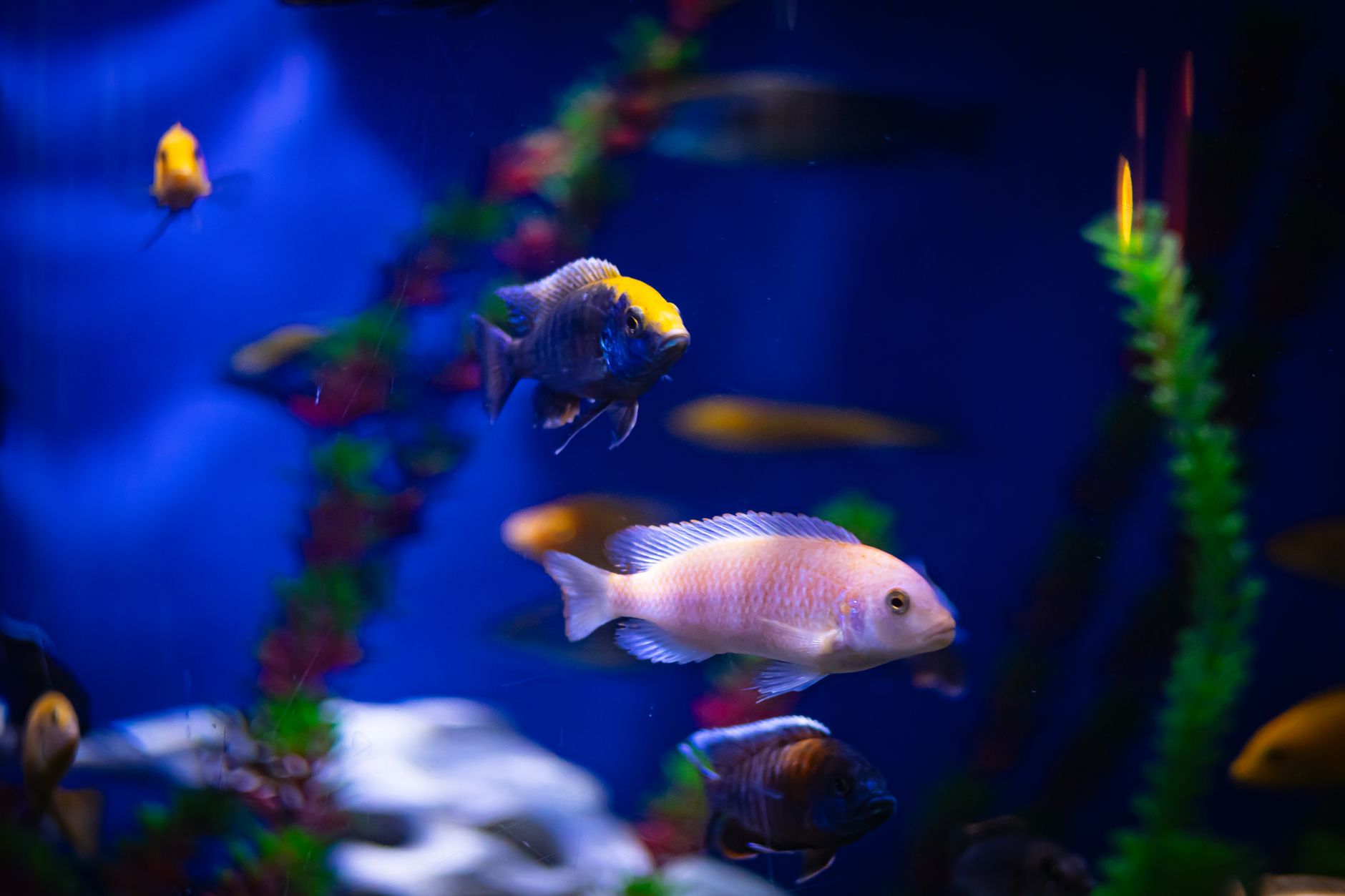
Different freshwater aquariums demand tailored approaches to algae prevention based on their inhabitants and hardscape design. For instance, a heavily stocked cichlid tank features rocky layouts with virtually no live plants, meaning mechanical filtration and frequent water changes must shoulder the entire burden of nutrient control. In contrast, a densely planted community tank relies heavily on biological uptake from rooted vegetation.
For South American blackwater biotopes featuring lots of driftwood and botanicals, tannins released from almond leaves and alder cones naturally lower pH and tint the water amber, which subtly dampens light penetration and naturally inhibits certain bright-light algae species. Conversely, high-energy African Rift Lake setups require strong surface agitation and vigorous mechanical filtration to handle heavy biological waste outputs from active, high-protein-fed cichlids.
Integrating cleanup crew livestock tailored to your specific biotope provides additional natural grazing pressure. Amano shrimp and Nerite snails excel in community tanks, while larger species like bristlenose plecos manage wood surfaces and broad plant leaves efficiently. Always verify compatibility between your cleanup crew and primary fish stock to ensure a peaceful community coexistence.
Educational Disclaimer: This article is for informational and educational purposes only. It does not constitute professional veterinary advice or specialized aquatic diagnostics. Always research specific fish species requirements and water parameter thresholds before making dramatic changes to your aquarium environment.
Frequently Asked Questions
Why is my aquarium water turning green overnight?
Sudden green water is usually caused by a single-celled phytoplankton bloom triggered by an imbalance of intense light and excess nutrients. Dimming the lights, using a UV sterilizer temporarily, and performing partial water changes can clear it up.
Can I use algae control chemicals safely?
Commercial algaecides can offer quick relief, but they do not solve the underlying imbalance. Some products can also harm sensitive fish, shrimp, or live plants if dosage instructions are not followed meticulously.
How long should aquarium lights stay on each day?
For most freshwater planted tanks, six to eight hours of continuous light daily is ideal. This provides enough energy for plants while limiting the window for algae proliferation.
Do snails and algae-eating fish eliminate the need for cleaning?
No. While species like Nerite snails, Otocinclus catfish, and Amano shrimp are fantastic cleaners that graze on biofilm and soft algae, they produce their own waste and cannot replace routine water changes and mechanical glass scraping.
Why does brown diatom algae appear in new fish tanks?
Brown diatom algae is very common in newly established aquariums. It feeds on silicates leaching from new glass, sand, or gravel. It is harmless and typically disappears on its own within a few weeks as the tank matures and silicates are depleted.
How do water changes help prevent algae?
Regular water changes dilute dissolved organic compounds, nitrates, and phosphates that act as food for algae, while also replenishing essential trace minerals for your fish and plants.
What is the best way to clean algae off aquarium glass?
An algae scraper with a razor blade attachment works best for glass aquariums, while an acrylic-safe pad should be used on plastic or acrylic tanks to prevent scratching.
How can I prevent hair algae from taking over my plants?
Hair algae is frequently linked to low or fluctuating CO2 levels, excessive iron dosing, or high lighting intensity. Trimming heavily infested leaves, performing manual removal with a toothbrush, and stabilizing your nutrient export schedule will help eliminate it.
Does water temperature affect algae growth?
Higher water temperatures accelerate metabolic rates and biological processes in both fish and algae. Keeping your aquarium at a stable, species-appropriate temperature prevents heat-induced algal acceleration.
What should I do if an algae bloom refuses to go away?
Conduct a comprehensive water parameter audit using liquid test kits, evaluate your photoperiod with an automatic timer, inspect your filter flow, and perform a series of 30% water changes over two weeks while reducing daily feeding amounts.
Helpful PawPrintHub Tools
Optimize your pet care management and planning with these helpful resources:
Conclusion
Preventing algae blooms in freshwater aquariums ultimately comes down to patience, balance, and consistent upkeep. By controlling your lighting duration, monitoring nutrient levels, embracing live plants, and maintaining a strict cleaning schedule, you can create a thriving aquatic ecosystem that stays naturally clear and healthy. Enjoy the process of fine-tuning your tank, and your fish will reward you with vibrant colors and active behavior.
Support free pet guides and tools.
Buy Me a Coffee
Comments
Post a Comment