
How to Prepare Your Pet for a Veterinary Visit Without Stress: A Calm Clinic Guide
For many domestic companions, the journey to the local animal clinic triggers a cascade of anxiety. From the unusual rustle of car seats and the hum of vehicle engines to the unfamiliar scents, bright lights, and strange sounds of the waiting room, routine wellness exams can easily transform into an overwhelming ordeal. However, transforming these essential healthcare appointments into calm, manageable experiences is entirely achievable through consistent desensitization, thoughtful home routines, and positive reinforcement. By taking a proactive approach to preparing pets for vet visits, owners can significantly lower cortisol levels, protect the human‑animal bond, and ensure that physical checkups remain effective and stress‑free.
Disclaimer: The following educational guide is designed to help reduce everyday situational anxiety during veterinary visits and does not replace professional veterinary advice, behavioral consultation, or medical treatment for severe phobias.
Every animal reacts to novel stimuli in unique ways, shaped by their genetics, early socialization history, and previous medical encounters. Recognizing that veterinary fear is an emotional response rather than willful disobedience is the cornerstone of building a constructive preparation strategy. When we stop viewing resistance as a behavioral flaw and start addressing it as a vulnerability, we open the door to empathetic, effective interventions that benefit both the animal and the veterinary care team.
Understanding the Roots of Veterinary Anxiety
Before implementing a structured preparation plan, it helps to understand why companion animals find clinical environments so unsettling. Unlike humans, dogs, cats, and other household pets cannot reason through why they are being placed inside a moving vehicle or why a stranger in a white coat is touching their paws, ears, and abdomen. Their perception is entirely sensory‑driven. A single bad experience—such as rough handling, painful medical procedures, or motion sickness during the drive—can create a lasting negative association that persists for years.
Animals possess an acute sense of smell and can detect the pheromones of fear left behind by previous patients in the examination room. Recognizing these triggers allows responsible owners to shift their perspective. Instead of viewing veterinary resistance as stubbornness, we recognize it as a fear response. Addressing this fear requires patience, predictable routines, and a step‑by‑step introduction to the sights, sounds, and handling techniques associated with modern veterinary care.
It is also essential to evaluate our own emotional impact. Animals are exceptionally skilled at reading human body language, micro‑expressions, and vocal pitch. If an owner’s heart rate spikes or their voice becomes tense when pulling into the clinic parking lot, the pet immediately absorbs this distress. Cultivating our own inner calm is just as important as training our companions.
Phase 1: Transforming the Carrier and Vehicle Experience
For small animals, the journey often begins and ends with a carrier. If the carrier only appears once or twice a year for a medical exam, pets naturally learn to associate that plastic box or canvas bag with impending unpleasantness. Reversing this mindset requires turning the carrier into a safe, appealing part of the home environment.
- Leave the Carrier Accessible: Keep the carrier out in your living space permanently with the door secured open. Place comfortable, familiar bedding inside.
- Feed Meals Inside: Encourage positive associations by placing food bowls or high‑value treats near or inside the carrier entry point, gradually moving them deeper as comfort grows.
- Incorporate Desensitization Games: Reward your companion simply for approaching, sniffing, or stepping inside the enclosure without closing the door.
- Practice Short Car Sessions: Once your pet is comfortable inside a stationary carrier or secure vehicle harness, practice sitting in a parked car with the engine off, working up to very short drives that end in a fun reward at home.
By breaking down transportation into tiny, positive milestones, you remove the initial panic associated with simply leaving the house. Consistency is key during this phase; spending just five minutes a day engaging with the carrier can yield remarkable progress over the course of a few weeks.
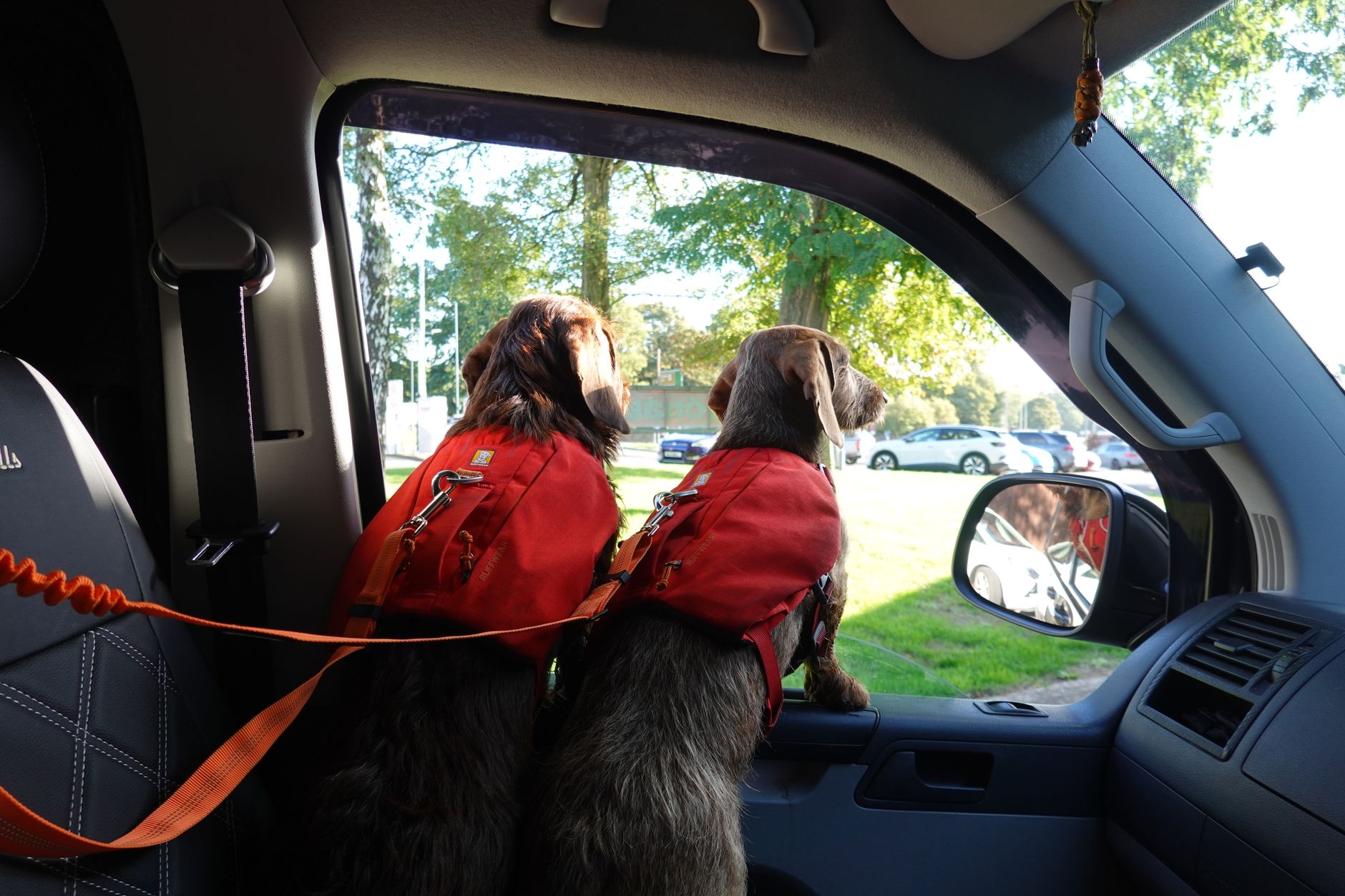
Additionally, consider the physical mechanics of the ride. Ensure carriers are securely buckled in so they do not slide around during turns, and use soft, washable blankets that can absorb kennel accidents without causing panic. For dogs, invest in a crash‑tested harness or secure seatbelt tether that allows them to look out comfortably while keeping them restrained safely in the back seat.
Phase 2: Master at‑Home Handling and Touch Desensitization
During a typical wellness examination, a veterinarian needs to touch virtually every part of your pet's body. They will look inside ears, lift lips to check dental health, palpate the abdomen, manipulate joints, and listen to the heart and lungs through a stethoscope. If an animal is unaccustomed to these specific types of touch, they may react defensively.
Owners can practice cooperative handling during calm moments at home. Choose a time when your pet is relaxed—perhaps after a long play session or an afternoon nap. Gently touch a paw for two seconds, then immediately offer a delicious treat. Gradually build up to holding the paw gently, lifting the lip briefly, or gently placing your hand against their chest. Always monitor body language closely. If your pet shows signs of tension, freezing, or avoidance, pause and drop back to a level of touch they find completely comfortable.
To keep track of your companion's developmental milestones and ensure you are covering all aspects of routine care, you can consult our New Pet Checklist for foundational wellness tips, or utilize the Pet Grooming Planner to incorporate touch exercises into your weekly brushing routine.
When practicing touch desensitization, incorporate a release cue such as "all done" so your pet learns they have control over the interaction. If they ever wish to walk away, let them do so without obstruction. This builds profound trust and ensures that when a veterinarian performs similar checks in the clinic, your pet understands the handling is predictable and non‑threatening.
Phase 3: Building a Calm Waiting Room and Clinic Strategy
The day of the appointment sets the tone for your pet's emotional state. Rushing around the house, speaking in anxious tones, and running late will immediately transmit stress to a perceptive animal. Aim to keep your own energy calm, grounded, and reassuring throughout the morning.
Consider the following strategies when arriving at the facility:
- Call Ahead or Wait Outside: If your pet experiences severe anxiety in crowded waiting rooms, call the clinic from the parking lot upon arrival. Many veterinary teams are happy to let you wait in your vehicle or take you straight into an exam room to bypass the lobby entirely.
- Bring High‑Value Motivation: Pack a pouch of exceptionally tasty treats that your pet rarely receives at home, such as small pieces of boiled chicken or specialized soft training morsels, to distract and reward them during examinations.
- Utilize Familiar Comfort Items: Bring a favorite blanket or a worn t‑shirt that carries your scent to line the examination table, providing a soothing anchor in an unfamiliar space.
- Maintain Low‑Stress Communication: Speak softly, use gentle body blocks to keep your pet secure without pinning them down, and let the veterinary team direct the pace of the interaction.
Moreover, consider scheduling appointments during off‑peak hours—such as early morning or immediately after lunch—when the clinic is generally quieter and less congested with frantic emergencies or barking animals.

Species‑Specific Preparation Tips
Dogs
1. Crate Training for Transport: Use a crate that fits your dog’s height and weight, line it with a familiar blanket, and gradually increase the time the dog spends inside while you are at home. Add a small treat or a favorite toy to reinforce positive feelings.
2. Handling Routine: Practice lifting the dog's ears, tail, and paws in a calm, rhythmic manner. Use a soft voice and a gentle touch. Reward each successful touch with a treat or a brief play session.
3. Car Comfort: Use a seatbelt harness that allows the dog to sit upright but still feel secure. Keep the car temperature moderate and play soft music to mask outside noise.
Cats
1. Carrier Familiarization: Place the carrier in a quiet corner with a soft blanket and a few treats. Open the door and let the cat explore at their own pace. Avoid forcing the cat inside.
2. Gentle Handling: Cats are sensitive to sudden movements. Practice gentle petting and short handling sessions, rewarding with treats or a favorite toy. Avoid touching the belly unless the cat is comfortable.
3. Stress‑Reducing Products: Consider using a pheromone diffuser or spray in the carrier and during the drive. These products can help calm anxious cats.
Small Birds
1. Carrier Use: Use a well‑ventilated, lightweight carrier. Place a familiar perch inside and a small treat to encourage the bird to enter.
2. Handling: Birds are easily stressed by direct contact. Practice gentle, short handling sessions with a soft voice. Use a treat as a reward.
3. Travel Preparation: Keep the carrier in a quiet, shaded area during the drive. Play soft instrumental music to reduce noise.
Reptiles and Amphibians
1. Minimize Handling: Reptiles often fear handling. Use a calm, slow approach and avoid touching the head or tail.
2. Transport: Use a secure, ventilated container with a familiar substrate. Keep the container in a shaded area of the car.
3. Clinic Environment: Reptiles are sensitive to temperature and light. Bring a heat lamp or a small portable heater if the clinic’s temperature is too low.
Professional Help and When to Seek It
While many owners can successfully implement these strategies, some pets exhibit extreme anxiety or have a history of aggressive reactions. In these cases, consider consulting a certified animal behaviorist or a veterinary behaviorist. They can design a tailored desensitization program, recommend medication or supplements, and provide hands‑on training sessions. Veterinary clinics often partner with behaviorists, and many offer low‑cost consultation packages for owners who need additional support.
Common Mistakes to Avoid
Even well‑meaning pet parents sometimes inadvertently reinforce fear during veterinary visits. Avoiding these common pitfalls will make your training efforts much more effective:
- Punishing Fear Responses: Never scold, yell at, or physically punish a pet for growling, trembling, or vocalizing at the clinic. Punishment increases fear and can lead to defensive aggression.
- Over‑Reassuring with High‑Pitch Pity: Speaking in a frantic, overly sympathetic tone ("Oh, it’s okay, poor baby, don’t be scared!") signals to your pet that there genuinely is something terrifying happening. Instead, use a calm, upbeat, matter‑of‑fact tone.
- Waiting Until the Last Minute: Trying to stuff a resistant cat into a carrier five minutes before you need to leave guarantees a stressful struggle for everyone involved.
- Skipping Preventive Care: Avoiding routine checkups out of fear only leads to untreated medical conditions that eventually require more invasive and stressful veterinary interventions later on.
Another frequent misstep is feeding a massive meal immediately before travel, which can induce nausea and vomiting if your pet suffers from motion sickness. Plan feeding times around travel windows carefully.
Frequently Asked Questions
How early should I start carrier training my cat before a vet visit?
Ideally, you should leave the carrier out as a permanent piece of home furniture weeks or even months before an appointment. This allows your cat to explore it entirely on their own terms without any negative associations.
Can I feed my pet before a routine veterinary wellness exam?
For standard wellness checks and vaccinations, light feeding is usually fine. However, if your veterinarian has scheduled bloodwork, sedation, or specific diagnostic testing, they may request a brief period of fasting. Always verify fasting instructions when booking your appointment.
What should I do if my dog panics and freezes in the veterinary parking lot?
If your dog refuses to walk toward the clinic entrance, do not drag them on the leash. Instead, step back to a comfortable distance, offer high‑value treats, or call the clinic to ask if a staff member can assist you with a direct transfer into a quiet exam room.
Are natural calming supplements safe to use before vet visits?
Many over‑the‑counter calming supplements containing ingredients like L‑theanine, alpha‑s1 casein, or herbal extracts can help take the edge off mild anxiety. However, always consult your veterinarian before administering any new supplement, especially if your pet takes prescription medications.
How can I make the car ride itself less stressful for my pet?
Secure your pet safely using a crash‑tested harness, a buckled carrier, or a secure pet seat. Drive smoothly without sudden braking, keep the vehicle at a comfortable temperature, and play soft classical music or white noise to mask outside traffic sounds.
Helpful PawPrintHub Tools
To support your ongoing pet care routine and ensure your animal companion stays healthy and well‑prepared throughout the year, explore these free interactive tools:
- Pet Travel Checklist: Ensure you never leave home without essential supplies, records, and comfort items.
- Pet Vaccination Planner: Keep track of upcoming immunizations and wellness milestones with ease.
- Pet First Aid Checklist: Be prepared for minor emergencies at home and on the go.
Conclusion
Preparing your companion for veterinary visits takes time, consistency, and a deep commitment to emotional wellbeing. By shifting away from last‑minute rushing and toward a lifestyle of positive desensitization, gentle handling, and calm reinforcement, you can dramatically alter your pet's perception of clinical care. Remember that every small, stress‑free step you take today builds greater resilience for tomorrow, ensuring healthier, happier veterinary experiences throughout your pet's life.
Support free pet guides and tools.
Buy Me a Coffee
Comments
Post a Comment