
How to Prepare a Cat for a Safe Move to a New House
Relocating to a new home is an exciting milestone for humans, but for our feline companions, it can be a deeply unsettling experience. Cats are creatures of habit who derive a strong sense of security from their territory, scent markers, and predictable daily routines. When boxes appear, furniture is dismantled, and familiar rooms vanish, cats often exhibit signs of stress, ranging from excessive vocalization and hiding to unwanted elimination or behavioral withdrawal. Learning how to prepare a cat for a move well in advance can dramatically minimize this anxiety, ensuring a smooth transition for both you and your furry friend. This comprehensive guide outlines practical, step-by-step strategies to help your cat navigate packing, traveling, and settling into a brand-new environment with confidence and peace of mind.
Preparing a cat for relocation goes beyond simply stuffing them into a carrier on moving day. It requires a thoughtful, multi-week approach that respects their sensory world, particularly their acute sense of smell and reliance on environmental pheromones. Whether you are moving across town or across the country, keeping your cat grounded amidst the chaos prevents long-term behavioral issues and ensures they feel safe from the moment they step paw into their new residence.
Understanding Feline Stress During Relocation
Before diving into the moving checklist, it helps to understand why relocations affect cats so intensely. Feline communication relies heavily on facial pheromones deposited by rubbing against walls, doorframes, and furniture. When you pack belongings, throw away old scratching posts, or deep-clean surfaces, you are literally erasing your cat's familiar scent map. This sudden loss of territory triggers an instinctual stress response, making them feel exposed and vulnerable to perceived predators.
Recognizing these signs early allows you to intervene with comforting measures. Common signs of relocation stress include hiding for prolonged periods, refusing to eat or drink, pacing, sudden litter box accidents, excessive grooming leading to bald patches, and unexpected aggression toward family members. While these behaviors are typical short-term reactions to environmental disruption, severe distress or prolonged refusal to eat requires professional veterinary guidance. Disclaimer: The following content is for educational purposes only and does not replace professional veterinary advice. If your cat shows severe signs of illness, injury, or extreme distress during a move, please consult a qualified veterinarian immediately.
Weeks Before Moving Day: Gradual Preparation
The secret to a successful cat move is pacing. Avoid making sudden, sweeping changes all at once. By introducing moving elements slowly over several weeks, your cat can process the changes without becoming overwhelmed by the shifting landscape of their territory.
Desensitizing Your Cat to Packing Supplies
Weeks before moving day, bring cardboard boxes, bubble wrap, and packing tape into your home, but leave them open and scattered around as casual additions to the environment. Let your cat explore, sniff, and even sleep inside them. This normalizes the presence of moving supplies, turning potential stress triggers into familiar playground items. Avoid packing up your cat's favorite resting spots, scratching posts, and toys until the very last possible moment, ensuring they always have access to items that carry their scent.
Establishing a Portable Safe Haven
Designate one specific room—such as a spare bedroom, home office, or quiet den—to serve as your cat's sanctuary during the chaotic final weeks of packing. Keep their food, water, litter box, scratching post, and favorite bed in this room. Gradually move your cat's daily routine into this space so they associate it with ultimate safety and comfort. This room will also serve as a secure holding zone when movers are actively carrying heavy furniture in and out of the rest of the house, preventing accidental escapes through propped-open doors.
The Final Week: Managing Environmental Chaos
As moving day draws closer, the activity level in your home will spike exponentially. This is when your cat's stress levels are most likely to peak. Maintaining a predictable feeding, grooming, and play schedule during this hectic week provides vital emotional stability.
- Keep routines steady: Feed your cat at the exact same times every day. Dedicate ten to fifteen minutes to interactive play sessions using wand toys or laser pointers to help burn off anxious nervous energy.
- Leave familiar scents intact: Resist the urge to wash every blanket, bed, and cushion right before the move. Your cat desperately needs those familiar pheromones to feel grounded during the upheaval.
- Prepare the cat carrier: Bring your cat's carrier out of storage several days in advance. Leave the door open, place a soft, worn t-shirt inside that smells like you, and let your cat wander in and out voluntarily. You can also spray a feline facial pheromone analogue inside the carrier to promote a sense of calm.
- Maintain interactive enrichment: Provide puzzle feeders or treat-dispensing toys to keep your cat mentally stimulated while boxes pile up around them.
If you are planning your moving schedule and need to organize daily routines or estimate pet expenses, tools like the Pet Travel Checklist and the Pet Cost Calculator can help you stay thoroughly organized and prepared for every unexpected expense.

Moving Day: Keeping Your Cat Safe and Secure
Moving day is high-stakes chaos. Doors are propped wide open, strange people are walking through the house, and loud, unfamiliar noises echo from every direction. The absolute golden rule of moving day is to keep your cat confined to their designated safe room with a closed, clearly marked door.
The Secure Room Protocol
On the morning of the move, place a prominent, brightly colored sign on the outside of your cat's safe room door reading: "STOP! Cat Inside. Please Do Not Open." Ensure all family members, friends helping out, and professional movers are explicitly aware that the room is strictly off-limits. Inside the room, provide:
- Fresh, clean water and a small meal (though some highly anxious cats may prefer to skip eating until they arrive at the safe confines of the new home).
- A clean litter box placed as far away from their food and water bowls as possible.
- At least two cozy, enclosed hiding spots, such as a covered cat bed or an open-topped cardboard box with a comfortable towel draped over it.
- A radio or white noise machine playing softly at a low volume to mask the jarring sounds of heavy footsteps, shouting, and slamming doors.
- A diffuser plugged into the wall emitting synthetic feline calming pheromones.
Safe Transportation Practices
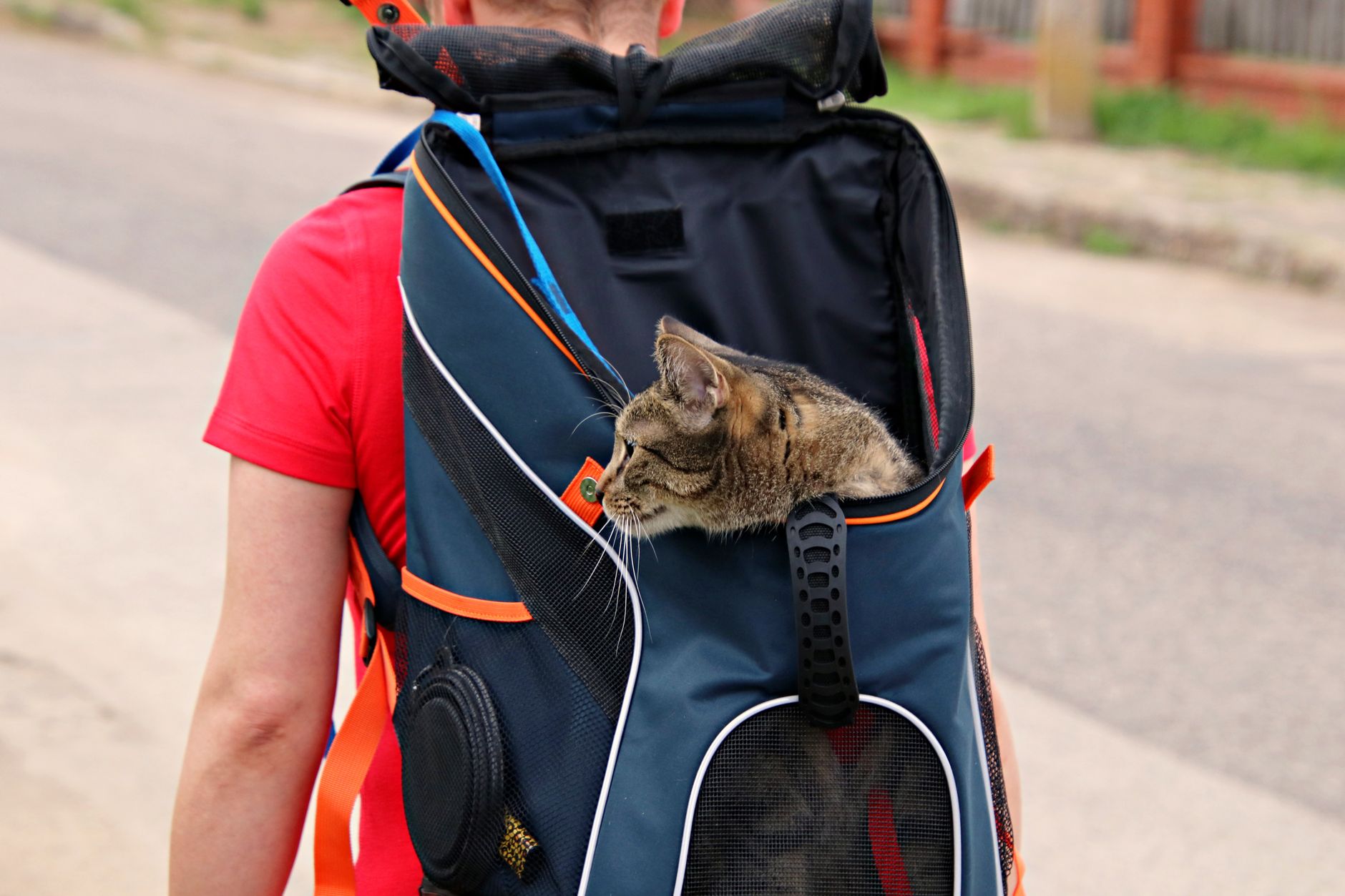
When the house is entirely packed, cleaned, and the moving truck is ready to depart, it is finally time to transport your cat. Securely place your cat inside their carrier, double-checking that the door latch is firmly locked. To reduce visual stimuli, motion sickness, and anxiety, drape a lightweight, breathable blanket or towel over the top and sides of the carrier. Place the carrier securely on the floor behind the front passenger seat or on a flat car seat secured tightly with a seatbelt so it cannot slide, tip, or crash forward during sudden stops. Never let a cat roam freely inside a moving vehicle, as they can easily crawl under the brake pedal, distract the driver, or bolt through an open door at a gas station or rest stop.
Arriving at the New Home: Step-by-Step Integration
Arriving at a new home can be deeply disorienting for everyone involved. Resist the temptation to let your cat out of the carrier immediately to explore the entire house. Unpack your own essential belongings first, and set up your cat's safe haven before releasing them from travel stress.
Setting Up the New Safe Room
Choose a quiet room in the new house—ideally a bathroom, laundry room, or quiet guest bedroom—and set up your cat's essential gear: food, water, litter box, scratching post, and familiar bedding. Bring your cat into this room inside their carrier, close the door, and then open the carrier door. Allow your cat to exit at their own pace. Do not force them out if they choose to remain huddled inside the carrier for the first hour; this is a completely normal protective reaction as they process unfamiliar background sounds and scents.
Gradual House Exploration
Allow your cat to spend the first two to three days exclusively in this safe room. This controlled environment prevents sensory overload and helps them build confidence in small increments. Once your cat is eating normally, using the litter box consistently, and greeting you with relaxed body language—such as slow blinking and upright tail carriage—you can begin opening the door for short, supervised exploration periods into adjacent hallways and rooms.
- Phase 1: Keep other household doors closed while letting your cat sniff around the immediate hallway and adjacent doorway thresholds.
- Phase 2: Gradually grant access to main living areas one room at a time over the course of a week, allowing them to claim territory at their own speed.
- Phase 3: Ensure essential resources like extra litter boxes, fresh water stations, and vertical scratching posts are placed in multiple accessible locations throughout the new home to prevent resource guarding if you have multiple pets.
Common Mistakes to Avoid When Moving With a Cat
Even well-intentioned pet owners occasionally make mistakes that heighten a cat's moving anxiety. Avoiding these common pitfalls will make the transition significantly easier and prevent long-term behavioral regression:
- Washing all bedding before the move: Washing away your cat's scent markers right before relocation strips away their environmental security blankets. Wait until everyone is fully settled and confident in the new home before washing linens and cushions.
- Rushing the exploration process: Giving a cat free-roaming access to an entire empty, echoing house on day one often leads to extreme hiding behind water heaters, inside dark crawl spaces, or under floorboards. Stick strictly to the safe room method.
- Forgetting updated identification: A stressed, disoriented cat is much more likely to bolt out an open door during the moving process. Ensure your cat wears a properly fitted breakaway collar with updated ID tags and that your microchip registry information reflects your new home address well before moving day.
- Ignoring subtle signs of illness: Stress-induced cystitis or urinary tract infections are common in cats following a move. Monitor their litter box habits closely during the first week.
If you have recently welcomed a new feline family member or need assistance organizing essential medical records, travel papers, and contact info, the New Pet Checklist and Pet ID Card Generator are exceptional resources for modern pet parents looking to stay organized.
Frequently Asked Questions
How long does it take for a cat to adjust to a new house?
Most cats take anywhere from two weeks to a month to fully adjust to a new home environment. Timelines vary based on temperament; bold, confident cats may adapt within days, while timid, anxious, or senior cats may require several weeks or even months of gradual room-by-room introduction and patient reassurance.
Should I use calming medication when moving with my cat?
For cats with severe travel anxiety, history of motion sickness, or high-strung personalities, mild calming supplements, pheromone sprays, or prescription anti-anxiety medications provided by a qualified veterinarian can be extremely beneficial. Always consult your veterinarian well in advance of moving day before administering any calming products or sedatives.
What should I do if my cat refuses to eat after arriving at the new home?
It is normal for cats to skip meals for the first 24 hours after a stressful move due to adrenaline surges and unfamiliar surroundings. However, if your cat refuses to eat or drink for more than 48 hours, contact your veterinarian immediately, as prolonged fasting in cats can quickly lead to serious and potentially fatal feline hepatic lipidosis (liver disease).
Can I let my cat outside in the new neighborhood right away?
No. Indoor-outdoor cats should be kept exclusively indoors for a minimum of two to four weeks after moving. This ensures they have firmly established the new house as their primary home base, reducing the severe risk of them getting lost or attempting to navigate back to your previous neighborhood.
How can I stop my cat from crying inside the carrier during the car ride?
Place a familiar blanket or item of your clothing inside the carrier, cover the carrier with a light, breathable sheet to block visual triggers, and talk to your cat in a calm, soothing tone throughout the drive. Playing soft classical music or specialized feline relaxation audio inside the car can also help soothe anxious nerves.
Helpful PawPrintHub Tools
To make caring for your cat during and after your relocation even easier, explore these helpful tools:
Conclusion
Moving house with a cat requires patience, empathy, and careful planning. By respecting your feline's need for routine, setting up a secure sanctuary room, managing the chaos of packing and transport, and introducing your new home gradually, you can transform a potentially terrifying experience into a manageable adventure. Remember that your calm, reassuring presence is your cat's greatest anchor during times of change. With a little time, gentle care, and thoughtful preparation, your cat will soon be purring contentedly, kneading blankets, and exploring every sunny windowsill in your brand-new home.
Support free pet guides and tools.
Buy Me a Coffee
Comments
Post a Comment