
How to Plan a Stress-Free Veterinary Visit for Your Dog: A Calm Clinic Guide
For many dogs, a trip to the veterinary clinic triggers intense anxiety, transforming a routine wellness exam into an overwhelming ordeal. Panting, shaking, whining, and reluctance to step through the clinic doors are common signs that your canine companion finds the veterinary environment terrifying. However, achieving a truly stress-free veterinary visit for your dog is possible through proactive preparation, systematic desensitization, and positive reinforcement. By reframing how your dog perceives handling, car rides, and the clinic setting itself, you can transform medical checkups into calm, manageable experiences.
Please note: This article is for educational purposes only and does not replace professional veterinary advice or behavioral diagnosis. If your dog exhibits extreme aggression or severe panic during medical handling, consult your veterinarian about specialized behavioral support or safe pharmaceutical intervention.
Veterinary wellness checks are a vital component of responsible pet guardianship. Dogs require routine physical examinations, dental checks, parasite preventatives, and vaccinations to live long, healthy lives. Unfortunately, when a dog associates these essential medical visits with terror, the stress impacts both the animal and the owner, often leading people to delay necessary veterinary care. Overcoming this hurdle requires shifting our mindset from expecting our dogs to simply endure the clinic to actively teaching them how to feel safe and secure in a medical setting.
Dogs live in the present moment, which means their emotional responses are deeply tied to immediate environmental triggers. If a dog enters a veterinary clinic and immediately experiences a spike in cortisol due to scary sounds, harsh lighting, and strange handling, their brain registers the clinic as a zone of high danger. By engaging in thoughtful, gradual desensitization long before an appointment is due, you can rewrite these neurological pathways. Instead of panic, your dog can learn to associate the veterinary clinic with delicious treats, calm praise, and a predictable, safe routine.

Understanding Why Dogs Fear the Veterinary Clinic
To help your dog, you must first understand why the clinic causes such distress. Veterinary offices are sensory overload zones. They are filled with strange chemical disinfectants, the scents of stressed animals, unfamiliar noises like heavy cart wheels and barking dogs, and bright, sterile lighting. Furthermore, veterinary exams require unfamiliar people to touch sensitive areas of your dog's body, including paws, ears, tail, and mouth.
Dogs rely heavily on positive associations. If their only experience with the clinic involves restraint, uncomfortable thermometers, or scary medical procedures, they quickly learn to anticipate danger the moment the car turns into the parking lot. Breaking this cycle requires shifting their emotional response from fear to anticipation of good things.
In addition to sensory triggers, dogs often react to human emotional states. If you feel nervous, tense, or apologetic when walking into the vet's office, your dog will pick up on your elevated heart rate and subtle body language shifts. They interpret your anxiety as confirmation that something genuinely dangerous is about to happen. Maintaining a calm, confident, and upbeat demeanor is an essential pillar of keeping your dog relaxed during medical visits.
Step 1: Desensitizing Your Dog to Home Handling
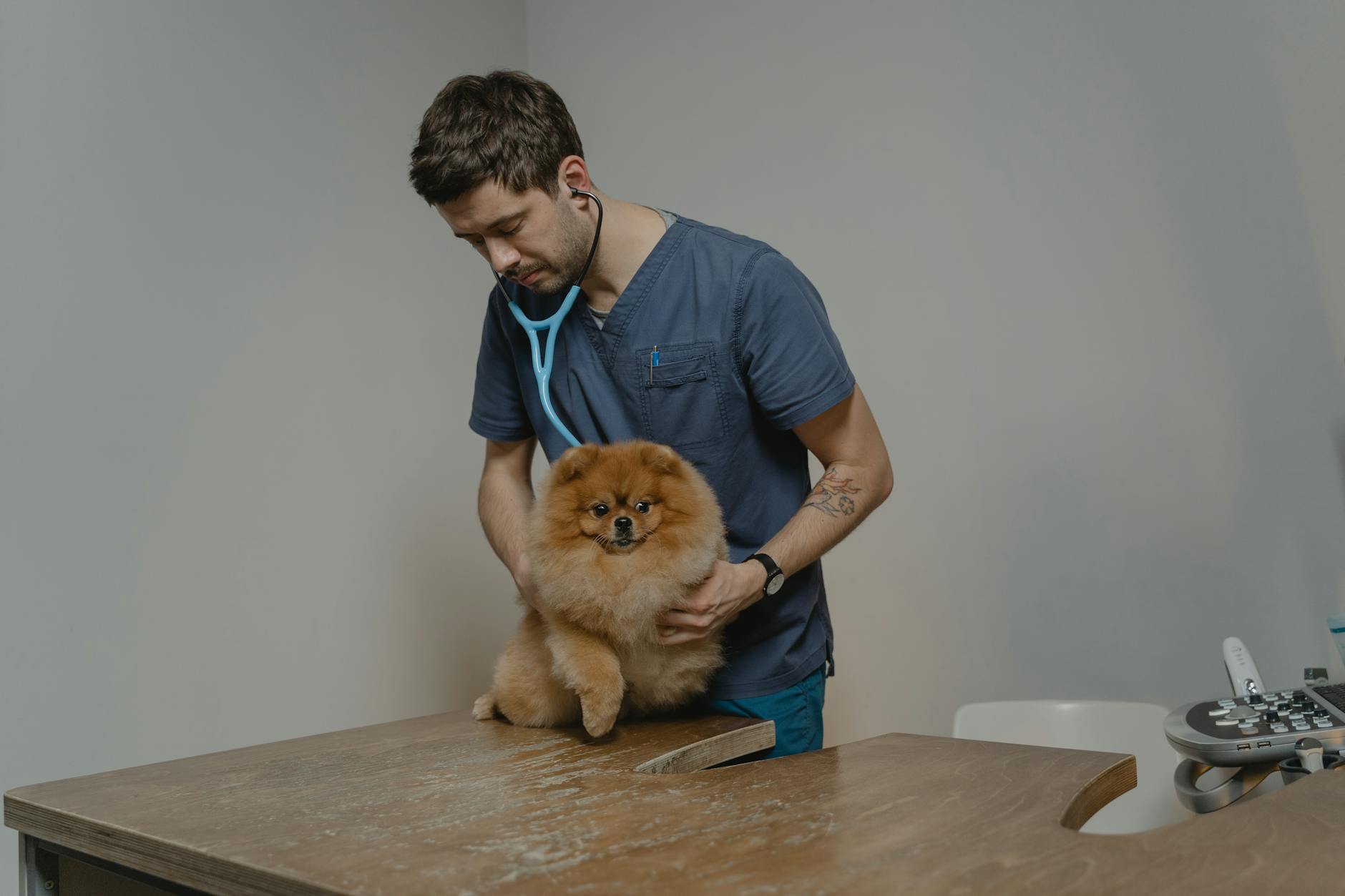
Before expecting your dog to remain calm on a stainless-steel examination table, you must build their tolerance for touch in the comfort of your living room. Veterinary exams require handling from nose to tail, so practicing these touches regularly is essential.
Begin by touching a low-sensitivity area, such as your dog's shoulder, immediately followed by offering a high-value treat like a small piece of boiled chicken or cheese. Gradually work your way up to more sensitive zones, such as lifting a paw, looking inside an ear flap, gently lifting the lips to check teeth, and pressing gently along the spine.
Always watch your dog's body language. If your dog turns their head away, stiffens, or licks their lips, stop immediately and lower the intensity. You want your dog to feel in control and confident that touch always predicts a reward.
Consistency is key when building a cooperative handling routine. Dedicate just three to five minutes a day to this practice. You can incorporate fun commands, turning the session into a game. For instance, teach your dog a chin-rest cue, where they voluntarily place their chin on your palm or a designated mat. This cooperative behavior allows the veterinarian or veterinary technician to examine your dog's eyes, ears, or administer oral medications while your dog actively participates in holding still for a continuous food reward.
Step 2: Turning the Car Ride Into a Positive Experience
For many dogs, the anxiety begins before they even reach the clinic because the car only means one destination: the vet. If your dog suffers from car sickness or travel anxiety, you need to decouple the vehicle from the clinic.
Start by simply feeding meals inside a parked car with the engine off. Once your dog is comfortable, turn on the engine without going anywhere. Next, take short, fun trips to a nearby park rather than the animal hospital. If your dog requires medication or preventive planning, use tools like our Pet Travel Checklist to ensure every journey is organized and safe. Consistent, pleasant car rides help normalize travel so your dog doesn't instantly panic when buckled in.
If your dog is prone to motion sickness, consult your veterinarian about safe anti-nausea medications. A dog that feels physically nauseous during car travel will naturally associate that misery with whatever destination follows, which frequently happens to be the veterinary clinic. Resolving car sickness is often the first and most critical breakthrough in curing overall vet visit anxiety.

Step 3: Visiting the Clinic Without Seeing the Vet
One of the most effective ways to reduce clinic anxiety is through "happy visits." Contact your veterinary clinic ahead of time and ask when their quietest hours are. Schedule short visits where nothing medical happens.
Walk into the lobby, let your dog sniff the floor, feed them high-value treats, and immediately leave. Do not go into the exam room unless invited. Let your dog realize that visiting the clinic can simply mean receiving praise, treats, and then returning home safely. Repeating this process a few times completely alters their emotional baseline regarding the physical building.
During these visits, make friends with the front desk staff. Ask them if they wouldn't mind handing your dog a special treat. Over time, your dog will begin pulling you toward the clinic doors because they anticipate seeing their favorite receptionists and receiving delicious snacks. This positive conditioning counteracts months or years of negative associations in a remarkably short amount of time.
Step 4: Mastering Waiting Room Etiquette and Safety
The waiting room can be a high-stress bottleneck. When you arrive for a scheduled appointment, consider checking in at the front desk and then waiting outside or in your car if your dog struggles with indoor crowds.
Keep your dog close on a short, secure leash, or inside a comfortable carrier if they are small. Avoid letting other unfamiliar dogs bound up to your anxious pet. If your dog is reactive or nervous, you can gently place a light blanket or towel over their carrier to block visual triggers, or utilize proper muzzle conditioning weeks in advance so your dog can wear a basket muzzle comfortably without stress.
Muzzle training is a fantastic skill for any dog, regardless of their temperament. A well-fitted, comfortable basket muzzle allows your dog to pant, drink water, and take treats while ensuring that everyone in the clinic remains completely safe. Introducing a muzzle should always be done slowly using positive reinforcement, smearing peanut butter inside the basket so your dog happily shoves their own nose into the equipment.
Step 5: Partnering With a Fear-Free Veterinary Team
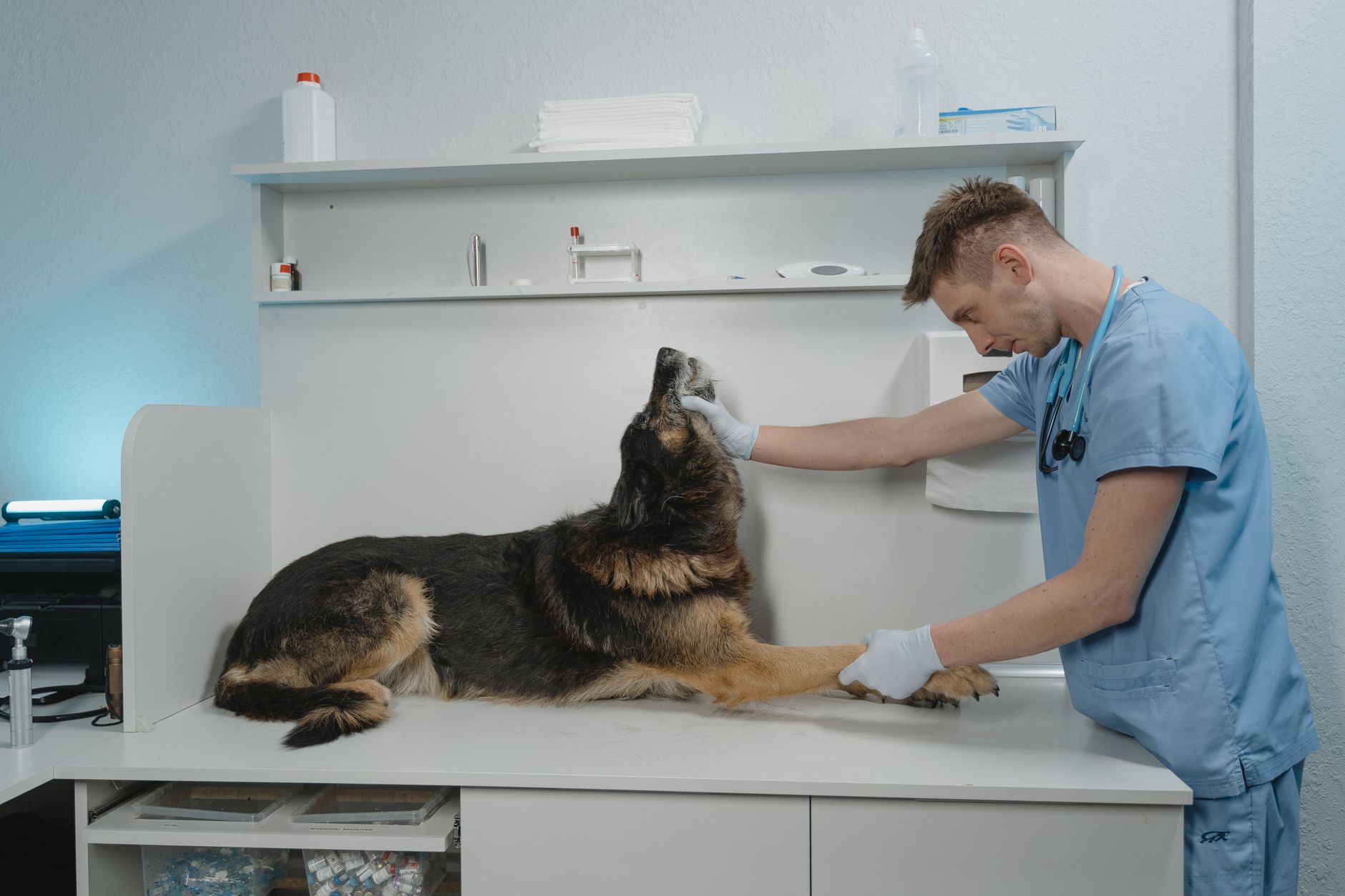
Choosing the right veterinary clinic makes all the difference. Look for clinics certified in Fear-Free or Low-Stress handling practices. These professionals utilize non-slip mats on tables, distraction techniques with peanut butter or spreadable treats during exams, towel wraps for small animals, and gentle handling methods that prioritize emotional well-being alongside physical health.
Effective communication with your veterinary team is crucial. When scheduling your appointment, inform the receptionist about your dog's specific triggers. Ask if you can wait in your vehicle until the exam room is fully prepped and ready for you, eliminating the waiting room entirely.
Collaborating with a veterinary team that respects emotional health changes everything. Fear-Free certified professionals understand that forcing a terrified dog through an examination causes long-term psychological harm. They are trained to pause, let the dog decompress, use pheromone sprays like Dog Appeasing Pheromone (DAP), and alter their diagnostic approach to keep the animal feeling safe and respected throughout the entire visit.
Step 6: Creating a Post-Vet Decompression Routine
What happens after the veterinary visit is just as important as the preparation leading up to it. Once you return home from the clinic, your dog's system is likely flooded with lingering adrenaline, even if they behaved well during the appointment.
Designate a quiet, peaceful space where your dog can rest undisturbed immediately upon arrival. Avoid immediately inviting guests over or engaging in high-intensity games of fetch. Instead, offer a long-lasting chew toy or a stuffed puzzle feeder filled with frozen yogurt or broth. Licking and chewing release endorphins that naturally lower cortisol levels, helping your dog's nervous system return to a restful baseline.
Praise your dog warmly and reward them generously for making it through the day. By establishing a predictable decompression routine, your dog learns that even stressful events are always followed by comforting, safe downtime at home.
Common Mistakes to Avoid During Vet Prep
Even well-meaning pet owners can unintentionally reinforce anxious behavior. Avoid these common pitfalls:
- Scolding or Punishing Fear: Never yell at or correct your dog for trembling or whining. This confirms their belief that the situation is genuinely dangerous and adds your anger to their fear.
- Flooding Your Dog: Do not force your dog to endure prolonged restraint without breaks. Overwhelming their coping mechanisms deepens future trauma.
- Waiting Until the Last Minute: Trying to train your dog to accept a muzzle or tolerate paw handling on the morning of an emergency vet visit rarely succeeds. Preparation must happen during calm, everyday moments.
- Forgetting Proper Health Tracking: To keep your dog's routine organized, utilize a Pet Vaccination Planner so you can anticipate annual wellness visits well in advance and avoid rushed, high-stress scheduling.
- Ignoring Subtle Stress Signals: Yawning, lip-licking, whale eye, and freezing are early signs of anxiety. Ignoring these cues and pushing your dog past their threshold often leads to defensive snapping or escalating panic.
Frequently Asked Questions
How can I help my dog stop shaking at the vet?
Help your dog by bringing high-value treats, practicing cooperative handling at home, and asking your vet for a Fear-Free environment with minimal waiting room time.
Is it okay to sedate my dog before a vet visit?
Yes. If your dog experiences severe panic, your veterinarian can prescribe mild pre-visit sedatives or anti-anxiety medications to keep your dog comfortable and safe during exams.
How early should I start desensitizing my puppy to vet exams?
You should start handling your puppy's paws, ears, and mouth from the day you bring them home, coupling every touch with positive reinforcement.
What should I do if my dog is too aggressive in the waiting room?
Wait in your car or outside until the vet staff is ready for you, and consider proactive muzzle training to ensure the safety of everyone in the clinic.
Can I feed my dog before a veterinary blood test?
It depends on the specific tests your veterinarian ordered. Always call ahead to confirm whether your dog needs to fast before their scheduled appointment.
What are the signs that my dog is experiencing situational anxiety?
Common signs include excessive panting, drooling, trembling, reluctance to move, cowering, wide eyes showing the whites, and an intense desire to escape or hide.
How can I make the examination table less scary?
Many Fear-Free clinics use rubber non-slip mats, warm towels, or spreadable treats like liver paste on a lick mat to distract the dog and create a pleasant surface.
Helpful PawPrintHub Tools
To keep your pet's wellness journey organized and stress-free, explore our helpful interactive planning resources:
Conclusion
Preparing your dog for a stress-free veterinary visit requires patience, consistency, and a commitment to positive reinforcement. By breaking down handling, travel, and clinic visits into small, rewarding steps, you protect your dog's mental well-being and strengthen your bond of trust. With a proactive approach and a supportive veterinary team, routine checkups can become calm, positive milestones in your dog's healthy life.
Support free pet guides and tools.
Buy Me a Coffee
Comments
Post a Comment