
How to Help an Indoor Cat Lose Weight Safely: A Complete Feline Fitness Guide
Keeping an indoor cat lean and active is one of the greatest challenges modern cat owners face. Without the natural demands of outdoor territory management, hunting, and evading predators, indoor felines rely entirely on their human companions to maintain a healthy lifestyle. Unfortunately, subtle weight creep is common, and many owners do not realize their furry friend has crossed from 'cuddly and round' into the territory of feline obesity. Excess weight places enormous strain on a cat's joints, increases the risk of diabetes, lower urinary tract diseases, and hepatic lipidosis, and shortens overall life expectancy. Helping an indoor cat lose weight safely requires patience, precision, and an understanding of feline nutritional physiology. This comprehensive guide will walk you through calculating exact nutritional needs, adjusting feeding habits, introducing safe metabolic play, and monitoring progress without causing behavioral distress.
Understanding the root causes of weight gain in indoor domestic cats goes beyond simply blaming laziness. Domestic felines are obligate carnivores whose bodies are designed for short, explosive bursts of hunting energy followed by long periods of rest. When housed exclusively indoors, these biological instincts are often suppressed or redirected toward the food bowl. Recognizing how environmental monotony and human habit contribute to excess pounds is the foundational step toward establishing a successful, lifelong weight management plan.
In addition to physical health impacts, extra pounds can profoundly diminish a cat's quality of life. Grooming becomes difficult, leading to matted fur and skin infections in hard-to-reach areas. By taking proactive steps to slim down your indoor cat, you are gifting them years of comfortable, energetic companionship.
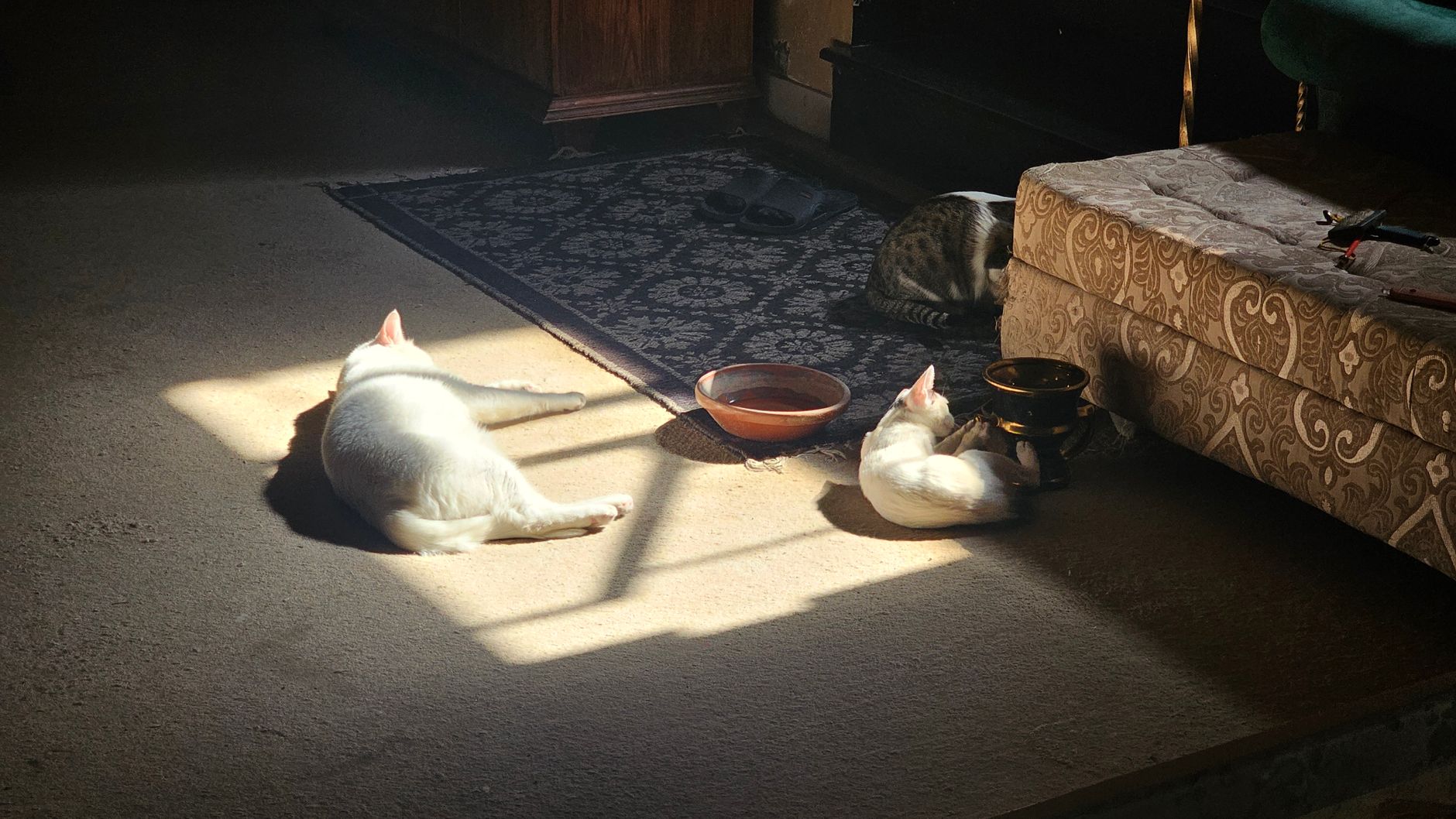
Understanding Feline Obesity and Why Indoor Cats Are Vulnerable
Before implementing any weight loss plan, it is vital to understand why indoor cats are uniquely predisposed to weight gain. When kittens are spayed or neutered, their hormonal balance shifts significantly. Metabolic rates often drop by twenty to thirty percent, while appetite can increase due to changes in circulating ghrelin and leptin hormones. Combine a slower metabolism with a sedentary indoor environment where calorie-dense food is delivered in a bowl just a few feet away, and the recipe for rapid weight gain is complete.
Many cats express boredom, anxiety, or environmental stress by seeking out food. Because pet owners frequently interpret any vocalization, pacing, or following behavior as an urgent request for meals, cats quickly learn that meowing equals treats. Furthermore, dry kibble is often extremely calorie-dense and frequently left out for free-feeding, allowing cats to consume far more daily energy than they could ever burn. Recognizing these behavioral and environmental triggers is the first step toward reclaiming your cat's long-term health and vitality.
Additionally, modern indoor environments often lack vertical space, interactive stimuli, and hunting opportunities. Without challenges to stimulate their minds, cats turn to eating as their primary source of daily dopamine. Addressing the psychological aspect of eating is just as important as reducing the numbers printed on the pet food bag. Providing alternative outlets for emotional expression can dramatically reduce begging behaviors.
Furthermore, indoor cats spend a significant portion of their waking hours resting near human feeding stations. The psychological association between human presence and food delivery creates a powerful conditioning loop. Breaking this loop requires altering not only the cat's feeding schedule but also human reactions to meowing and begging.
Assessing Your Cat's Body Condition Score
Before putting your cat on a strict diet, you need an accurate baseline. Bathroom scales are helpful, but veterinary professionals rely heavily on the Body Condition Score (BCS) system, which ranges numerically from 1 to 9. An ideal, healthy score is exactly 4 or 5. Here is how to thoroughly evaluate your cat at home:
- Ribs: You should be able to feel your cat's individual ribs easily with a gentle touch, without having to press through a thick, spongy layer of subcutaneous fat.
- Waist: When viewed from directly above, a lean cat has a noticeable hourglass indentation immediately behind the ribcage.
- Abdominal Profile: From the side, the belly should tuck upward toward the hind legs rather than sagging downward in a heavy, pendulous fat pouch.
If your cat's ribs are difficult to locate, the waist is completely absent, and the belly sags heavily toward the floor, your cat is carrying excess weight that requires intervention. For personalized tracking and to log your milestones, you can monitor your cat's health metrics using the Pet Healthy Weight Checker.
It is also wise to take baseline photographs of your cat from above and the side. Visual changes often manifest in body shape before they show up on a standard scale, keeping you motivated when scale numbers fluctuate. Tracking these changes bi-weekly provides a clear, objective view of progress.
Remember that different breeds have varying body structures. For instance, a Sphynx might feel bony even at a healthy weight, while a British Shorthair has a naturally stocky, dense build. Consulting with a veterinary professional helps establish what a healthy score looks like for your specific feline companion.

Calculating Precise Calorie Requirements
Successful indoor cat weight loss relies strictly on mathematics, biology, and thermodynamics. You simply cannot out-exercise a poor diet. Every cat has a specific Resting Energy Requirement (RER) based on their target ideal weight rather than their current, overweight weight. If you calculate daily calories based on an overweight weight, the cat will simply maintain its heavy, unhealthy mass.
To determine how much food your cat actually needs to shed pounds safely:
- Estimate your cat's ideal adult weight based on their frame (for example, 10 pounds for an average domestic shorthair).
- Calculate the target resting energy requirement using veterinary guidelines, or simplify the entire process instantly with the Pet Calorie Calculator.
- Apply a weight-loss factor (usually multiplying the RER by 0.8 for indoor, sterilized cats needing to slim down safely).
Once you have established your daily target calorie count, check the fine print on the back of your cat food packaging to find the kilocalories per cup or per can. Weighing dry or wet food using a digital kitchen scale in grams is far more accurate than using standard measuring cups, which frequently result in accidental overfeeding due to kibble packing and settling.
Precision is especially critical for petite cats. A difference of just twenty calories can completely stall weight loss for a small feline. By establishing a rigid daily gram allowance, you remove guesswork and ensure steady, safe progression toward the target weight.
Many commercial diet foods incorporate high fiber content to promote a feeling of fullness. While helpful, always calculate the caloric density per gram, as some high-fiber prescription diets require larger volume portions that can stretch a cat's stomach over time.
Transitioning to a Safe Weight Loss Diet
Transitioning an overweight cat to a restricted calorie diet must be done gradually and carefully. Rapid weight loss in cats is extremely dangerous and can trigger a fatal liver condition called feline hepatic lipidosis (fatty liver disease). Safe weight loss should occur slowly, aiming for a gradual reduction of about 0.5 to 2 percent of total body weight per week.
When reducing food portions, do so over the course of two to three weeks to allow the cat's digestive tract and metabolism to adjust. If your cat begs persistently or acts agitated during the transition, consider implementing the following practical strategies:
- Increase Wet Food Proportion: Wet food contains significantly more water and lean protein per calorie than dry kibble, helping your cat feel physically full and satisfied with fewer total calories.
- Frequency Over Volume: Divide the daily food allowance into four or five smaller meals using automated timed feeders rather than offering two large morning and evening feedings.
- Eliminate High-Calorie Treats: Commercial treats are packed with hidden sugars, grains, and fats. Substitute them with single-ingredient freeze-dried chicken bits or a single piece of regular kibble saved directly from their daily measured food allowance.
For structured daily feeding management and to ensure consistent portions, you can build a customized plan with the Pet Feeding Schedule Generator.
Transitioning food types should also be done slowly. Mix a small amount of the new, lower-calorie food into the current food, gradually increasing the ratio over ten to fourteen days. This prevents gastrointestinal upset, vomiting, and food refusal.
If your cat completely rejects wet food, look for low-carbohydrate, high-protein dry kibble specifically formulated for weight management. Always ensure fresh, clean water is available in multiple locations throughout the home to encourage hydration, which supports metabolic function and kidney health.

Boosting Energy Expenditure Through Indoor Enrichment
Dietary restriction alone is only half the battle. To preserve lean muscle mass, protect joint health, and boost metabolic output, indoor cats need safe, engaging physical activity tailored directly to their natural hunting instincts. Because heavy cats may lack stamina or joint mobility, start sessions slowly and keep initial play very brief.
Engage your cat in multiple two-to-three-minute play sessions throughout the day using interactive wand toys that mimic erratic prey movements, such as flying birds scurrying mice. Puzzle feeders and foraging toys are also exceptional, science-backed tools for indoor weight loss. When cats have to work, bat, and paw at a puzzle toy to release kibble, they eat significantly slower, burn mental energy, and satisfy their innate predatory drive without feeling deprived.
Consider establishing vertical territory by installing sturdy cat shelves or stable cat trees. Encouraging your cat to climb and stretch targets different muscle groups than flat-floor running, boosting overall core strength and coordination.
For cats that show little interest in traditional wand toys, experiment with different textures and sounds. Crinkle balls, catnip-infused kickers, or automated laser pointers can spark curiosity. However, always conclude laser play by allowing the cat to physically catch a tangible toy, satisfying the complete hunting cycle from stalk to capture.
Positive reinforcement is key during exercise. Reward active participation with praise, gentle petting, or a reserved piece of kibble. This creates a positive association with physical movement, transforming exercise from a chore into an exciting daily game.
Daily Routines and Environmental Management
Creating a predictable, supportive daily routine is essential for long-term feline weight loss success. Cats thrive on consistency. By structuring meals, play sessions, and rest periods into a reliable daily schedule, you reduce anxiety-driven behaviors such as excessive begging or raiding pantry doors.
Start your morning by activating an automated feeder to deliver a small breakfast, preventing your cat from associating you directly with the dawn feeding ritual. Follow this with a brief five-minute play session using a feather wand before you leave for work or begin your day. In the evening, incorporate another play session before the final meal of the day. This mimics the natural feline routine of hunting, catching, eating, and grooming before sleeping.
Environmental management also involves safeguarding food in multi-pet households. If you share your home with multiple animals, use microchip-activated pet bowls or elevated feeding stations that only the slender cat can access, preventing food theft from heavier household companions.
Creating separate feeding zones reduces food-related stress and competition. When cats feel secure that their meals will not be stolen by other pets, they are less prone to frantic, rapid eating and subsequent begging.
Common Mistakes to Avoid During Cat Weight Loss
Many well-meaning owners struggle with indoor cat weight loss because of common, easily avoidable pitfalls. Be sure to steer clear of these frequent missteps:
- Free-Feeding Dry Food: Leaving an open bowl full of kibble out all day makes precise portion control impossible and encourages mindless grazing.
- Giving In to Vocal Begging: Cats quickly learn that meowing results in snacks. Redirect their attention with interactive grooming brushes or play instead of handing out extra food.
- Ignoring Other Household Pets: In multi-pet homes, failing to monitor who eats what can derail the diet of the target cat completely.
- Expecting Overnight Results: Feline weight loss takes months of dedication, not weeks. Consistency, patience, and tracking are far more important than rapid scale drops.
Another frequent mistake is reducing food intake too drastically in an attempt to speed up results. As noted previously, starvation triggers metabolic slowdowns and life-threatening liver complications. Always adhere to safe reduction timelines and consult veterinary professionals when adjusting calorie limits.
Additionally, avoid relying solely on human interpretation of hunger. Cats often vocalize out of boredom, loneliness, or a desire for attention rather than an empty stomach. Diversifying indoor enrichment activities helps address these root emotional needs without adding unwanted calories.
Professional Veterinary Guidance and Medical Checkups
Before launching any weight-loss regimen, scheduling a comprehensive veterinary examination is paramount. An overweight appearance can sometimes be exacerbated by underlying medical conditions, such as feline hypothyroidism, hyperadrenocorticism, or degenerative joint disease. Your veterinarian can run blood panels to check organ function, evaluate thyroid levels, and provide a tailored target weight and body condition assessment.
If your cat experiences lethargy, vomiting, or sudden refusal to eat during a weight loss program, consult your veterinarian immediately. These can be early warning signs of metabolic distress or hepatic lipidosis. Regular veterinary checkups every three to six months during an active weight loss phase ensure that the diet remains balanced, safe, and effective.
Your veterinarian may also recommend specific therapeutic veterinary diets designed to preserve lean muscle mass while restricting calories. These diets are carefully formulated to provide all essential vitamins and minerals even when fed in restricted quantities, preventing nutritional deficiencies during weight loss.
Medical Disclaimer
Disclaimer: This article is for educational and informational purposes only and does not constitute veterinary medical advice. Always consult your veterinarian before starting your cat on a new diet, changing calorie intake, or beginning an intensive exercise program, especially if your cat has underlying health conditions like diabetes, kidney disease, or arthritis.
Frequently Asked Questions
How fast should an indoor cat lose weight?
A safe weight loss rate for cats is between 0.5% and 2% of their total body weight per week. Rapid weight loss can cause severe, life-threatening liver damage such as hepatic lipidosis.
Why is my cat not losing weight despite eating less?
Hidden calories from treats, table scraps, multi-cat household food stealing, or miscalculated daily portion sizes are the most common reasons weight loss stalls.
Can I feed my cat dog food to save money?
No. Dog food lacks essential nutrients that obligate carnivores require, such as taurine, arachidonic acid, and preformed vitamin A, which can lead to severe health deficiencies.
Should I switch from dry food to wet food for weight loss?
Transitioning to high-protein, low-carbohydrate wet food is generally recommended because it provides better hydration and helps cats feel fuller on fewer calories.
How can I stop my cat from waking me up for food at dawn?
Using an automated nighttime or early-morning timed feeder can shift your cat's focus away from you and toward the machine as the provider of food.
Are puzzle feeders effective for overweight cats?
Yes, puzzle feeders slow down eating speed, improve digestion, and provide mental stimulation that reduces boredom-induced overeating.
How often should I weigh my cat during a diet?
Weigh your cat once every two weeks using a reliable digital scale. Weekly weigh-ins can cause unnecessary stress due to normal daily water weight fluctuations.
Helpful PawPrintHub Tools
To help you manage your cat's health journey effectively, explore these helpful interactive tools:
Support free pet guides and tools.
Buy Me a Coffee
Comments
Post a Comment