
How to Groom a Sensitive Cat at Home: A Stress-Free Guide
For many cat owners, bringing out a hairbrush or a pair of nail clippers is the ultimate trigger for feline drama. While some cats view grooming as an extension of their daily pampering, others react with immediate panic, hiding under the bed, or even displaying aggressive behavior. Learning how to groom a sensitive cat at home is a vital skill that not only preserves your cat's physical health but also protects the bond of trust you have worked so hard to build. With the right approach, patience, and techniques, you can transform what used to be a battle of wills into a calm, cooperative routine.

Disclaimer: The information provided in this article is for educational purposes only and does not replace professional veterinary advice, diagnosis, or treatment. If your cat shows signs of extreme distress, skin infections, or severe matting, please consult your veterinarian or a professional feline groomer.
Why Some Cats Are Highly Sensitive to Grooming
Before diving into the practical steps, it is essential to understand why your feline companion might be resistant to grooming. Cats possess incredibly sensitive skin and an array of sensory receptors that make them highly attuned to touch, vibration, and pressure. What feels like a gentle stroke to you can feel like painful pulling or overstimulation to a touch-sensitive cat.
Several factors contribute to this heightened sensitivity:
- Sensory Overload: The feline nervous system is designed for quick reactions. Repetitive brushing in sensitive areas, such as the lower back, belly, or tail base, can quickly lead to overstimulation, a phenomenon sometimes linked to Feline Hyperesthesia Syndrome (FHS).
- Past Traumas: A single negative experience, such as having a nail quick nicked or a painful mat yanked out, can leave a lasting impression. Cats have excellent memories when it comes to self-preservation.
- Skin Conditions: Dry skin, allergies, fleas, or underlying musculoskeletal pain (like arthritis in older cats) can make any physical contact uncomfortable. If your cat's sensitivity is a recent development, it's wise to check their physical condition. You can use the Pet Health Checker to monitor their general body condition and note any sudden changes.
Crucial Steps Before You Begin: Desensitization
You cannot expect a sensitive cat to tolerate a full grooming session right away. Instead, you must focus on desensitizing a cat to grooming over several days or even weeks. This process involves rewiring your cat's emotional response to grooming tools from fear to positive association.
Step 1: Introduce the Tools Gradually
Leave your brushes, combs, and nail clippers on the floor in areas where your cat likes to hang out. Let them sniff and investigate these objects on their own terms. Place high-value treats around the tools so your cat associates their presence with rewards.
Step 2: Pair Touch with Rewards
Before introducing a brush, practice handling your cat's paws, ears, and belly using only your hands. Touch a paw briefly, say a cue word like "good," and immediately offer a treat. Gradually increase the duration of the touch. This step is particularly vital for mastering how to trim cat nails safely later on.
Step 3: Scent Association
Rub a soft cloth gently over your cat's cheeks to collect their natural pheromones, then rub that cloth onto the grooming brush. When you eventually use the brush, it will smell familiar and comforting to them, greatly reducing cat grooming anxiety relief challenges.
The Step-by-Step Process: How to Groom a Sensitive Cat at Home
Once your cat is comfortable with the sight and smell of their grooming tools, you can begin establishing a structured, stress-free cat grooming routine. Follow these step-by-step phases to ensure the process remains positive.
Phase 1: Create a Calm Environment
Environment is everything. Choose a quiet, draft-free room with a door you can close to prevent escape. Avoid high-traffic areas, loud noises, or rooms with bright, harsh lighting. Playing soft classical music or using a feline pheromone diffuser can help set a peaceful tone. If you want to track your cat's developmental milestones or adjust their care routine as they age, check out our Cat Age Calculator to tailor your care to their specific life stage.
Phase 2: Choose the Right Tools
Using the wrong brush can cause pain and instantly ruin your progress. When looking for the best brush for sensitive skin cats, avoid cheap slicker brushes with sharp, unprotected metal pins. Instead, opt for:
- Silicone or Rubber Curry Brushes: These mimic the texture of a cat's tongue, gently removing loose hair while massaging the skin.
- Soft Bristle Brushes: Ideal for smoothing the coat and distributing natural oils without irritating the skin.
- Wide-Toothed Combs with Rounded Tips: Excellent for gently checking for tangles in long-haired breeds without pulling.
Phase 3: Start with Short, Positive Sessions
Keep your initial sessions incredibly brief—no more than one to two minutes. Start by brushing areas where your cat naturally enjoys being petted, such as the chin, cheeks, and behind the ears. Avoid the sensitive belly, hind legs, and tail during the first few sessions.
Phase 4: Master the Art of Brushing
When brushing, use short, gentle strokes in the direction of hair growth. Never pull on a knot. If you encounter resistance, stop immediately. Focus on reducing cat shedding indoors by targeting the undercoat gently, rather than scraping the skin. If your cat begins to show signs of cat grooming stress, such as skin twitching, tail flicking, or growling, stop immediately and try again the next day.
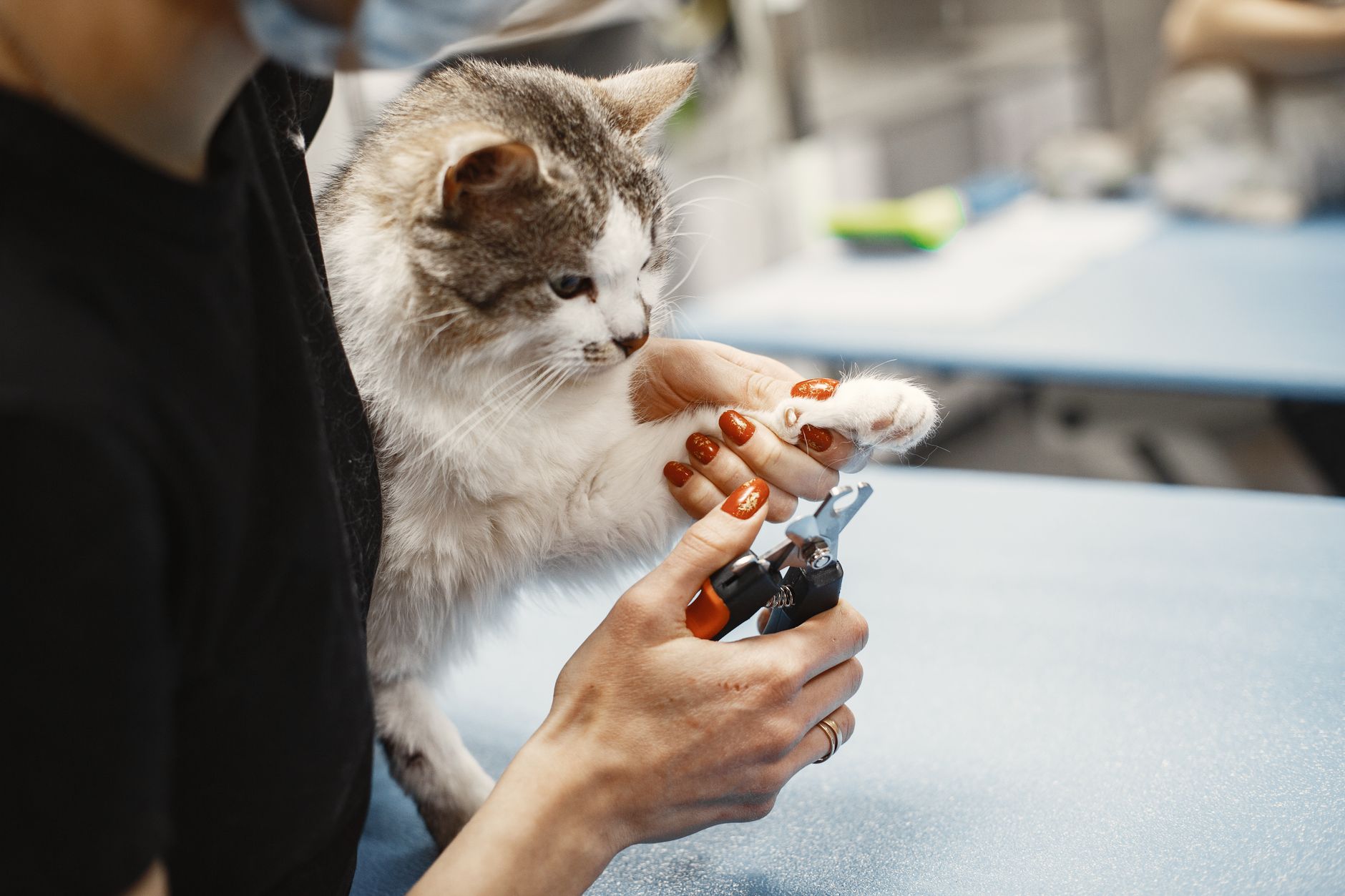
Phase 5: Nail Trimming with Minimal Stress
To trim your cat's nails, wait until they are relaxed or sleepy. Gently press the paw pad to extend the claw. Cut only the sharp, curved tip of the nail, staying far away from the pink "quick," which contains sensitive nerves and blood vessels. If your cat only tolerates one nail being clipped per day, that is perfectly fine. Consistency is far more important than speed.
Common Mistakes to Avoid When Grooming a Sensitive Cat
Even well-meaning cat owners can make mistakes that set back their grooming progress. Keep these critical pitfalls in mind:
- Forcing the Issue: Never physically restrain, scruff, or pin down a sensitive cat to force them through a grooming session. This builds intense fear and can lead to aggressive outbursts, making future grooming sessions nearly impossible.
- Ignoring Body Language: Cats communicate their discomfort long before they hiss or scratch. Watch for subtle warnings like dilated pupils, ears rotated backward, a twitching tail, or low growls.
- Over-grooming One Spot: Brushing the same area repeatedly can cause friction burns and skin irritation. Move across different parts of the body to prevent localized discomfort.
- Ignoring Nutrition: Healthy skin and coat start from within. Poor nutrition can lead to dry, flaky skin and excessive shedding, making grooming more painful. Using a Pet Food Calculator can help you ensure your cat is getting the right amount of high-quality nutrients to maintain optimal skin health.
Managing Specific Grooming Challenges
Preventing and Dealing with Matting Naturally
Matting is a common issue, especially for long-haired cats. Mats cut off airflow to the skin, trap moisture, and cause constant discomfort. To tackle mats without pain:
Never use scissors to cut out a mat at home. A cat's skin is incredibly thin and elastic; it is very easy to accidentally cut the skin. Instead, apply a small drop of cat-safe detangling spray or coconut oil to the mat. Use your fingers to gently tease the fibers apart, starting from the outer edges and working your way inward. If the mat is tight against the skin, seek professional veterinary assistance.
What to Do If Your Cat Needs a Bath
Most cats do not require regular water baths because they are fastidious self-groomers. However, if they get into something sticky, toxic, or dirty, a bath may be necessary. To figure out how to bathe a cat without getting scratched, try using waterless foam shampoo or cat-safe grooming wipes first. If a wet bath is unavoidable, place a towel at the bottom of the sink so they have secure footing, use lukewarm water, and avoid spraying water directly near their face, ears, or eyes.
When to Seek Professional Help
While learning how to groom a sensitive cat at home is ideal, there are times when professional intervention is the safest choice. You should consult a veterinarian or professional feline-only groomer if:
- Your cat displays severe aggression (biting, deep scratching) that poses a safety risk to both of you.
- The matting is extensive, pelting close to the skin, or covering large areas of the body.
- You suspect an underlying skin condition, such as ringworm, flea allergy dermatitis, or severe dandruff.
- Your cat has physical limitations, such as severe arthritis, making home handling too painful without medical pain management.
A professional groomer or vet can offer safe sedation grooming options, ensuring your cat's coat is cared for without causing psychological trauma.
Conclusion
Mastering how to groom a sensitive cat at home is not a task that can be rushed overnight. It requires a deep commitment to understanding feline behavior, reading subtle body language, and moving at your cat's individual pace. By choosing the right tools, utilizing slow desensitization techniques, and keeping sessions short and positive, you can turn grooming into a peaceful routine that supports your cat's health and deepens your bond. Remember to celebrate small victories—even a single successful nail trim or a minute of peaceful brushing is a massive step forward on your journey to stress-free feline care.
Frequently Asked Questions
How often should I brush my sensitive cat?
For short-haired sensitive cats, a brief 2-minute brushing session two to three times a week is usually sufficient. Long-haired cats may need daily attention to prevent mats, but you should break this down into very short, localized sessions rather than trying to brush the entire coat at once.
What should I do if my cat tries to bite me during brushing?
Stop immediately. A bite attempt is a clear sign that your cat has crossed their comfort threshold. Give them space, do not punish them, and analyze what triggered the reaction (e.g., brushing too hard, touching a sensitive area, or brushing for too long). Start with shorter sessions next time.
Can I use human shampoo on my cat if they need a bath?
No. Human skin has a different pH balance than cat skin. Using human shampoo can dry out their skin, cause severe irritation, and strip away essential oils. Always use a shampoo specifically formulated for felines.
How do I know if my cat's grooming resistance is due to pain?
If your cat previously tolerated grooming but suddenly reacts with vocalizations, biting, or intense flinching when touched in a specific area (like the lower back or hips), it is highly likely they are experiencing localized pain, such as arthritis. Schedule a veterinary checkup to rule out underlying issues.
Is there a way to make nail trimming easier for a sensitive cat?
Yes. Try trimming their nails when they are already deeply relaxed or sleeping. Work on just one claw at a time, reward them with a high-value treat immediately after, and spread the process out over several days if necessary.
Helpful PawPrintHub Tools
- Check your cat's physical condition using our Pet Health Checker.
- Calculate your cat's precise age and life stage with the Cat Age Calculator.
- Optimize your cat's diet for skin and coat health using the Pet Food Calculator.
Support free pet guides and tools.
Buy Me a Coffee
Comments
Post a Comment