
How to Cure Cat Boredom Indoors: Mental Enrichment and Play Strategies
Life as an indoor cat is undeniably safe, protecting our feline companions from outdoor hazards, cars, and transmissible diseases. However, the four walls of a home can quickly become a monotonous landscape for an animal whose natural instincts revolve around hunting, territory patrolling, and complex environmental exploration. When felines lack adequate stimulation, they often develop destructive habits, excessive vocalization, weight gain, or stress-related behaviors. Understanding how to cure cat boredom indoors is essential for maintaining both the physical vitality and the psychological well-being of your beloved pet.
This comprehensive guide explores the root causes of feline stagnation, offers actionable steps to revitalize your cat's daily life, outlines common mistakes to avoid, and provides practical strategies to transform a sedentary living space into an engaging playground. Please note that while environmental enrichment drastically improves quality of life, this guide is educational and does not replace veterinary care for medical issues that may mimic behavioral changes.
Cats are crepuscular creatures by nature, meaning their energy peaks naturally around dawn and dusk. In the wild, this timing aligns with the movement patterns of small prey animals. When housed indoors without outlets for these deep-seated evolutionary drives, cats experience a mismatch between their biology and their modern lifestyle. Recognizing this disconnect is the first step toward building a truly satisfying home environment that prevents frustration and encourages natural exploration.

Recognizing the Subtle Signs of Feline Boredom
Unlike dogs, who often make their boredom explicitly known through frantic pacing or loud barking, cats are masters of subtle communication. A bored cat rarely throws a tantrum; instead, their frustration manifests in quiet, sometimes destructive ways. Recognizing these early warning signs allows you to intervene before behavioral patterns become deeply ingrained habits.
Common indicators that your indoor cat is desperately craving mental and physical stimulation include:
- Excessive Grooming: Over-grooming, hair-pulling, or bald patches caused by licking can be a soothing mechanism for a stressed, under-stimulated cat, often leading to skin irritations if left unaddressed.
- Destructive Scratching: Targeting couches, curtains, or carpets despite having an accessible scratching post often points to boredom, territorial marking frustration, or inadequate scratching surface varieties.
- Nighttime Zoomies and Wake-Up Calls: If your cat treats the bedroom like a racetrack at 3:00 AM, it frequently means they have pent-up hunting energy that was never spent during daylight hours.
- Targeting Other Pets: Unprovoked stalking, ambushing, or bullying of resident cats or dogs usually stems from redirected predatory energy that has nowhere else to go.
- Lethargy and Overeating: Many bored cats retreat to sleep simply because there is nothing else to do, leading to weight gain and sluggishness. Using the Cat Age Calculator can help you tailor your feline's daily activity levels to their specific life stage.
- Stalking Human Ankles: Playful yet painful ambushes on walking humans are a classic sign of a cat seeking a moving target because their environment lacks suitable prey toys.
- restless Wandering and Vocalization: Meowing persistently while pacing from room to room without any apparent cause often signals mental stagnation and a desire for engagement.
The Foundation of Indoor Feline Enrichment
To successfully cure cat boredom, you must look at the world through a feline lens. Cats do not just inhabit their horizontal floor space; they live in three dimensions. Satisfying their natural instincts requires an environment that caters to hunting, climbing, hiding, and observing.
Vertical Space and Territory Expansion
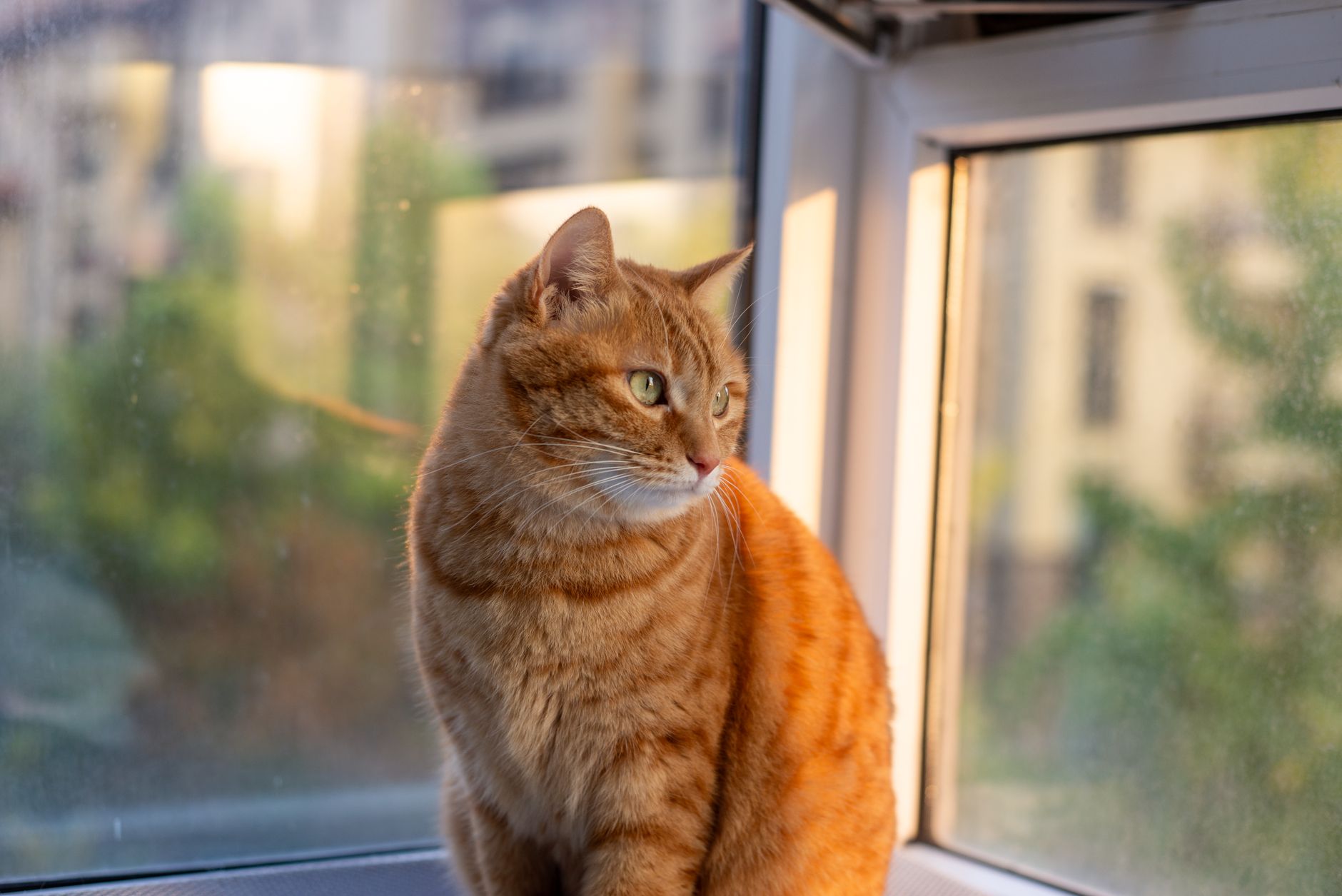
Cats feel secure when they can survey their domain from an elevated position. If your home lacks vertical real estate, your cat's world feels flat and uninteresting. Install wall-mounted shelves, sturdy tall cat trees, or clear pathways atop sturdy bookshelves. Place a comfortable window perch near a bird-rich outdoor view. Watching birds and squirrels provides hours of natural visual entertainment, often referred to by feline behaviorists as cat television. You can enhance window perches by placing bird feeders outside the glass in safe locations, creating a living nature documentary for your pet.
The Power of Predatory Play Sequences
In the wild, a cat's day is dictated by the hunt: stalk, chase, pounce, kill, eat, and groom. Domestic cats retain this exact neurological wiring. When we simply toss a toy across the room once a day, we short-circuit this natural sequence. True interactive play should mimic real prey movement. Move feather wands in erratic patterns—fluttering like an injured bird or scurrying like a frightened mouse behind a cushion. Allow your cat to successfully catch the toy at the end of the session to fulfill their predatory drive, followed immediately by a small meal or treat to complete the natural hunting loop.
Environmental enrichment also includes olfactory stimulation. Cats experience the world largely through scent. Introducing safe, novel aromas like dried valerian root, silver vine, or small amounts of catnip can spark curiosity and encourage physical movement in cats that might otherwise spend the entire day sleeping on the couch.
Practical Steps to Keep Your Cat Mentally Stimulated Every Day
Creating an engaging routine does not require endless expensive gadgets. Simple household items and consistent daily interactions can completely revitalize your cat's mental health. Follow these practical steps to build a boredom-busting routine:
- Rotate Toys Regularly: Cats suffer from sensory habituation. If a toy stays on the living room floor for three weeks, it becomes part of the furniture. Divide your cat's toys into three groups, rotating them every week to keep them feeling brand new and exciting.
- Introduce Food Puzzles and Foraging: Free-feeding dry kibble from a static bowl robs cats of their natural work ethic. Transition to puzzle feeders, snuffle mats, or homemade cardboard tubes where cats must paw out their meals. For proper portion management while transitioning, consult the Pet Food Portion Calculator.
- Incorporate Safe Sensory Experiences: Introduce cat-safe botanical elements like fresh cat grass (wheatgrass or oat grass) for grazing, or small pinches of silver vine and catnip to stimulate playful exploration.
- Schedule Micro-Play Sessions: Instead of one exhausting thirty-minute play session, break it down into three or four frantic five-minute bursts throughout the day. This matches their natural crepuscular hunting peaks.
- Clicker Training for Cats: Cats are highly intelligent and can easily learn tricks, agility courses, and polite household manners using positive reinforcement and a simple clicker. Training sessions provide intense mental stimulation and strengthen the bond between pet and owner.
- Create Cardboard Explorations: Save delivery boxes of various sizes. Cut holes in them to create tunnels, tape a few together into a feline maze, or scatter paper bags around the living room to satisfy their love of hiding and investigating confined spaces.
Common Mistakes to Avoid When Enriching an Indoor Cat
Even well-meaning pet parents can make missteps when attempting to cure cat boredom. Avoiding these common pitfalls ensures your efforts result in happiness rather than frustration:
- Using Bare Hands as Toys: Never encourage a kitten or cat to wrestle with your fingers or toes. This teaches them that human flesh is acceptable prey, leading to painful bites and scratches later in life.
- Forcing Interaction: Never corner or wake up a sleeping cat to force play. This creates anxiety and damages trust. Always let the cat approach the play area on their own terms.
- Neglecting Environmental Predictability: While novelty is great for boredom, radical and chaotic changes to furniture layouts can cause severe feline stress. Introduce new enrichment items gradually.
- Relying Solely on Automated Toys: While robotic mice and laser pointers are helpful, they lack the tactile feedback of a real catch. Laser pointers can also cause behavioral frustration if the cat never gets to physically capture a solid object at the end of the chase.
- Ignoring Individual Preferences: Not all cats love catnip, and not all cats enjoy feather wanders. Pay attention to your specific cat's unique play style—some prefer ground toys like kicker fish, while others prefer aerial toys like flying bird attachments.
- Overlooking Litter Box Access: A stressed or bored cat may act out due to dirty or poorly placed litter boxes, which can mistakenly be attributed entirely to boredom when territory stress is the true root cause.
When to Seek Professional Guidance
Sometimes, what appears to be stubborn boredom is actually an underlying medical condition, chronic pain, or severe anxiety disorder. If your cat exhibits sudden changes in temperament, drastic vocalization increases, destructive elimination outside the litter box, or compulsive over-grooming that does not resolve with increased enrichment, consult your veterinarian. Pain from conditions such as feline arthritis can cause irritability and restlessness that closely mimic boredom. A thorough physical examination ensures your cat is not suffering in silence while you attempt behavioral solutions alone.
Certified feline behavior consultants can also provide personalized assessments for complex cases involving redirected aggression or severe household tension between multiple pets. Working with professionals guarantees that medical issues are ruled out before attempting advanced behavioral modification plans.
Frequently Asked Questions
How often should I play with my indoor cat to prevent boredom?
Aim for at least two to three interactive play sessions lasting 10 to 15 minutes each day. Focus on vigorous play that mimics hunting behavior, especially during the morning and evening hours when cats are naturally most active.
What are the best cheap or DIY ways to entertain an indoor cat?
Empty cardboard boxes, paper grocery bags (with handles removed for safety), crumpled paper balls, and toilet paper rolls filled with kibble make exceptional, free DIY enrichment toys that cats adore.
Can older or senior cats still get bored?
Yes, senior cats experience boredom just like younger cats, though their physical capabilities may be reduced. Provide low-to-the-ground puzzle feeders, soft scratching pads, gentle wand play, and comfortable window perches tailored to their mobility level.
Why does my cat stare at the blank wall or door?
Cats possess acute hearing and smell. They may be listening to rodents in the walls, hearing distant sounds outside, or simply zoning out. However, if staring is accompanied by head pressing or disorientation, consult a veterinarian immediately.
Are laser pointers safe for cat entertainment?
Laser pointers can be used safely if managed correctly. Because the cat can never physically catch the light, it can cause psychological frustration. Always conclude a laser session by switching to a physical toy that the cat can pounce on and capture.
How can I keep my cat entertained while I am at work?
Leave out automated puzzle toys, turn on a bird-watching video or place a bird feeder outside a secure window, scatter a portion of dry food in different hiding spots around the room, and provide secure vertical climbing structures.
Do cats get bored of eating the same food every day?
Unlike humans, cats do not crave culinary variety for taste alone; they care more about texture and temperature. However, rotating puzzle feeders and varying the delivery method of their meals can significantly stimulate their minds during feeding times.
Can I train my indoor cat to walk on a leash?
Many indoor cats enjoy outdoor exploration safely via a well-fitted harness and leash. Introduce the harness indoors very gradually with treats before stepping outside to ensure a stress-free experience.
How do I introduce a new toy without scaring my cat?
Place the new toy in a common area without forcing engagement, let your cat sniff it at their own pace, and rub a bit of catnip or silver vine on it to encourage positive associations.
Helpful PawPrintHub Tools
To further assist you in managing your cat's health, daily routine, and overall wellness, explore our specialized suite of interactive tools designed specifically for pet parents:
- Use the Pet Enrichment Idea Generator to discover fresh, tailored boredom-busting activities for your feline companion.
- Plan out your cat's grooming and wellness activities efficiently using the Pet Grooming Planner.
Conclusion
Curing cat boredom indoors is an ongoing journey of observation, creativity, and connection. By understanding that your cat is a sophisticated predator with natural instincts to fulfill, you can transform their indoor environment from a stagnant cage into a stimulating, enriching sanctuary. Through strategic play, vertical territorial expansion, food puzzles, and daily routine adjustments, you will foster a happier, calmer, and much healthier feline companion who thrives in your home.
Support free pet guides and tools.
Buy Me a Coffee
Comments
Post a Comment