
How to Crate Train a Puppy Positive Reinforcement Methods for Stress Free Success
Bringing a new puppy home is an exciting milestone filled with tail wags, playful nibbles, and late-night bathroom breaks. Among the many responsibilities new pet parents face, teaching a puppy to feel safe, secure, and relaxed inside a crate remains one of the most valuable life skills you can impart. When approached with patience, empathy, and proven positive reinforcement techniques, learning how to crate train a puppy transforms a simple metal or plastic box from a scary confinement tool into a cozy, comforting den where your furry companion WANTS to rest. This comprehensive guide explores modern, reward-based strategies designed to help your puppy embrace crate time without fear, anxiety, or excessive whining.
Educational disclaimer: The following training advice is purely educational and does not replace professional behavioral consultation. If your puppy exhibits severe panic, self-harm behavior, or extreme distress inside the crate, consult a certified positive reinforcement dog trainer or veterinarian.
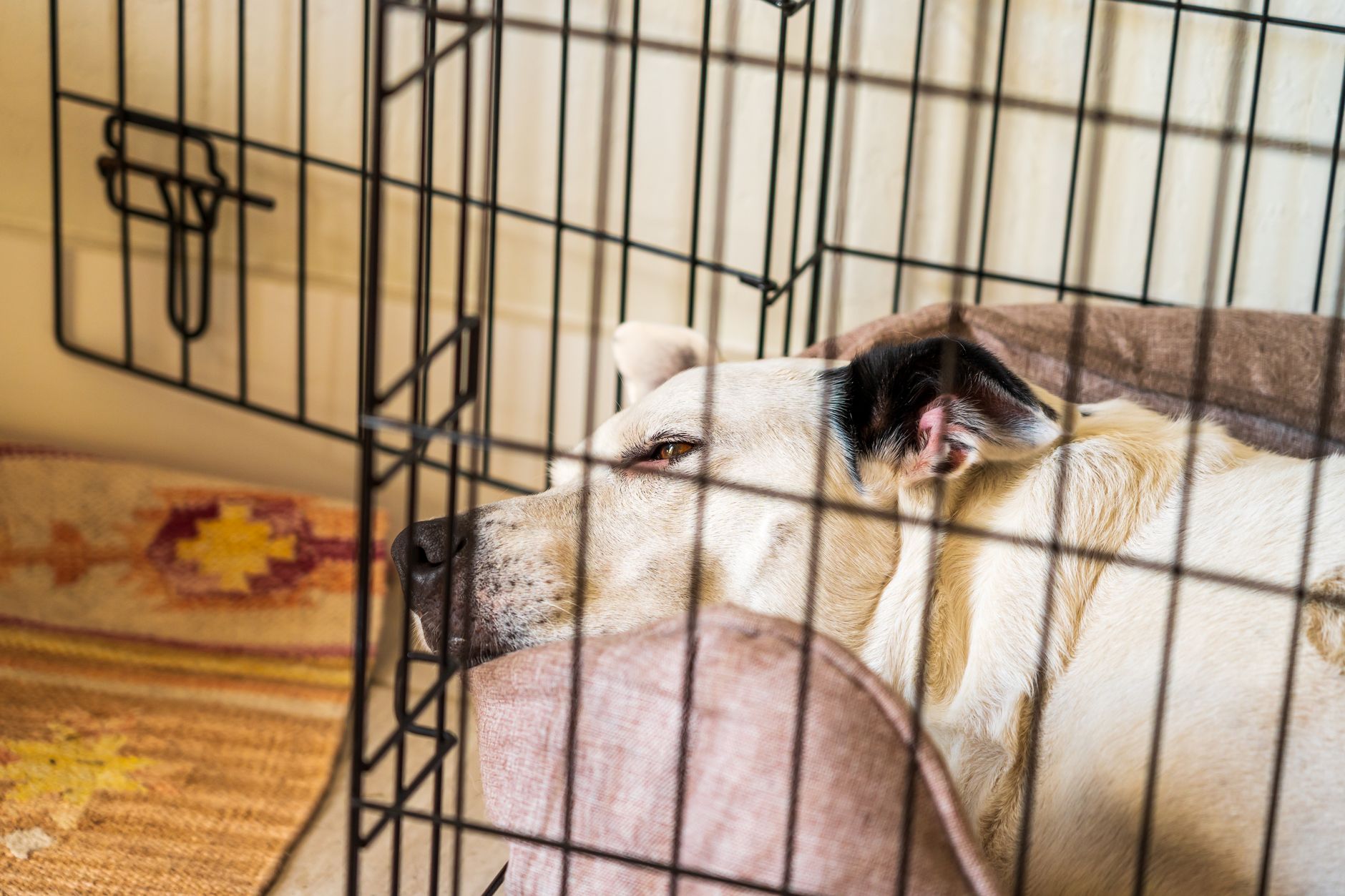
Understanding the Philosophy Behind Positive Crate Training
Dogs are den animals by instinct. In the wild, enclosed spaces provide natural shelter, warmth, and protection from predators. However, a domestic puppy does not automatically understand that a human-made crate is a safe space. Forcing a frightened puppy into a closed crate creates trauma and triggers severe separation anxiety, eroding trust between you and your new pet.
Positive reinforcement changes the narrative entirely. Instead of viewing the crate as a place of isolation or punishment, your puppy learns to associate the crate with high-value treats, delicious meals, favorite toys, and deep, restorative sleep. By letting your puppy move at their own pace and rewarding every calm, curious interaction with the crate, you build a positive emotional response that lasts a lifetime.
When we look at the neurological development of canine companions during their formative weeks, positive associations formed early in life heavily influence adult emotional resilience. A puppy that learns the crate is a sanctuary will naturally seek it out when feeling overwhelmed by household noises, unfamiliar visitors, or rigorous play sessions. This self-soothing mechanism is invaluable for long-term emotional regulation and overall household harmony.
Selecting the Right Equipment and Setup
Before beginning your training journey, you need the right setup. Choosing the correct crate size is critical. Your puppy should be able to stand up, turn around completely, and lie down comfortably with stretched-out legs. If the crate is too large, your puppy may designate one corner as a bathroom area. If it is too small, they will feel cramped and uncomfortable.
Many wire crates come with a removable divider panel, allowing you to adjust the usable interior space as your puppy grows rapidly during their first year. Tracking your puppy's physical development is simple when you use tools like our Puppy Growth Estimator to anticipate their adult size and adjust living arrangements accordingly.
Make the interior inviting with safe, washable bedding, a durable chew toy, and perhaps a ticking clock or a soft heartbeat toy that mimics the comfort of littermates. Place the crate in a lively family area during the day—such as the living room or kitchen—so your puppy does not feel isolated from the pack, and move it to your bedroom or a quiet hallway at night during the early weeks.
Consider also the material and style of the crate. Wire crates offer excellent ventilation and allow your puppy to observe household activity without feeling completely cut off. Plastic airline-style crates provide a darker, more enclosed den feel that some timid puppies prefer. Soft-sided crates are wonderful for travel but should generally be avoided for teething puppies who might scratch or chew through fabric mesh.
Step-by-Step Positive Reinforcement Crate Training Plan
Successful crate training is not a single-day event; it is a gradual desensitization process broken down into manageable, low-stress micro-steps. Rushing through these phases is the number one reason puppies panic.
Phase 1: Introducing the Crate and Creating Curiosity
Start with the crate door permanently open, secured with a tie or bungee cord so it cannot accidentally swing shut and startle your puppy. Toss delicious, high-value treats—such as small pieces of boiled chicken, cheese, or specialized training kibble—just inside the open door.
Allow your puppy to walk in, grab the treat, and walk right back out without any pressure. Never push, pull, or force your puppy inside. Let them explore the scent and structure of the crate on their own terms. Praise them softly the moment they voluntarily step inside.
During this initial exploration phase, keep sessions short—around two to five minutes—and practice multiple times throughout the day. Your goal is simply to build an eager, forward-moving reflex whenever your puppy approaches the crate opening.
Phase 2: Feeding Meals Inside the Crate
Once your puppy is comfortable walking in for treats, transition their regular daily meals into the crate. Place the food bowl near the front of the crate for the first couple of feedings, then gradually push the bowl further back each day until your puppy is eating comfortably at the very back of the enclosure.
This creates a powerful neurological association: the crate equals delicious food. Once your puppy finishes eating, open the door calmly and let them wander out. Do not immediately lock the door the second they finish their last kibble, as this can create anticipatory anxiety.
For food-motivated breeds, this phase usually progresses rapidly. If your puppy is hesitant, try feeding out of a rubber treat-dispensing toy stuffed with wet puppy food and frozen for an extra challenge. Licking and chewing release endorphins that naturally calm canine nervous systems.

Phase 3: Introducing the Door and Short Durations
When your puppy happily runs into the crate for meals and toys, you can begin introducing the door. As your puppy eats or chews a stuffed puzzle toy inside the crate, gently swing the door halfway closed for two seconds, then open it immediately and offer quiet praise. Do not wait for whining to open the door; always open it while your puppy is calm.
Gradually increase the duration the door remains closed from two seconds to five seconds, then ten seconds, thirty seconds, one minute, and beyond. Practice this exercise multiple times a day during high-energy play sessions when your puppy is mentally engaged.
If your puppy shows signs of stress—such as frantic scratching, heavy panting, or high-pitched whimpering—immediately scale back the duration. Training should feel like a game of gradual success rather than an endurance test of emotional stamina.
Phase 4: Adding Curation Cues and Verbal Commands
Pairing a verbal cue with entering the crate helps your puppy understand what you want. Choose a simple, consistent word like "Crate," "Bed," or "Kennel." Just as your puppy steps inside to grab a treat, say your chosen word clearly. Over time, your puppy will connect the spoken word with the physical action.
You can also incorporate fun interactive exercises like "crate games," where you toss a toy inside, let the puppy retrieve it, reward them when they return to you, and repeat. This turns crate entry into an exciting, rewarding game rather than a chore.
Eventually, you can point to the crate, give your verbal cue, and watch your puppy trot inside and lie down awaiting their reward. This advanced cueing makes bedtime and departure routines smooth and predictable.
Managing Nighttime Crying and Separation
Nighttime can be particularly daunting for a young puppy who has just been separated from their mother and littermates. It is entirely normal for a puppy to vocalize during the first few nights in a new home. However, how you respond sets the tone for their future behavior.
Keep the crate close to your bed during the first week so your puppy can smell and hear you nearby. If your puppy wakes up and cries in the middle of the night, determine whether they genuinely need a bathroom break or are simply seeking comfort. Take them outside on a leash to a designated elimination spot with zero playtime or fanfare, then return them immediately to the crate.
Never yell at, scold, or punish a crying puppy, as fear and punishment intensify vocalization and destroy their sense of security. Instead, offer a soothing vocal reassurance, place a hand near the wire mesh so they can feel your fingers, and wait for a brief moment of silence before opening the door or providing attention.
Over the course of two to three weeks, you can gradually move the crate further away from your bed if your ultimate goal is to have the puppy sleep in another room, such as a laundry room or hallway. Make this transition in small increments of a few feet every few days.

Common Crate Training Mistakes to Avoid
Even well-meaning owners often commit subtle errors that stall progress. Avoiding these common pitfalls ensures your puppy stays confident and happy:
- Using the crate as punishment: Never send your puppy to the crate when you are angry or as a consequence for bad behavior. The crate must remain a sanctuary of safety and positive rewards.
- Leaving a puppy in the crate for too long: Puppies have extremely small bladders and underdeveloped nervous systems. A young puppy should never be confined for longer than their physical capacity allows. Adjust your routine using structured planning guides.
- Rushing the closing of the door: Slamming or latching the door before your puppy is fully desensitized creates instant panic and regression.
- Giving in to whining immediately: If you let your puppy out every time they whine or bark, you unintentionally teach them that vocalization is the magic key to freedom. Wait for a quiet pause before opening the door.
- Ignoring physical exercise needs: A tired puppy is a quiet puppy. Always ensure your puppy receives adequate mental and physical stimulation before expecting them to settle down for a long nap in their crate.
- Leaving dangerous items inside: Never leave choke collars, prong collars, harnesses, or unsecured blankets that can be shredded and swallowed inside an unsupervised crate.
Establishing a Balanced Routine and Schedule
Predictability is a puppy's best friend. Establishing a consistent daily routine helps regulate your puppy's biological clock, making house training and crate settling significantly easier. Balance active play, obedience practice, feeding times, and scheduled crate naps throughout the day.
Puppies need an immense amount of sleep—often 16 to 18 hours a day. Without enforced nap times in the crate, puppies frequently become overtired, hyperactive, and prone to destructive biting or behavioral meltdowns. Structure your day so that every hour of active play is followed by one to two hours of quiet rest inside the crate.
If you are managing your daily puppy care schedule, balancing feeding times, and ensuring your puppy gets proper nutrition without overfeeding, helpful digital utilities can simplify your planning. Many owners find our Pet Feeding Schedule Generator exceptionally useful for establishing consistent daily intervals.

Species-Specific Considerations for Dogs and Puppies
While dogs share common canine ancestry, individual breeds and temperaments require tailored approaches during crate training. High-energy working breeds (such as Border Collies, Australian Shepherds, and German Shepherds) possess intense cognitive needs and physical stamina. If these puppies are crated without adequate prior exercise, their frustration levels skyrocket. Always combine physical fetch games and nosework puzzles with your crate training regimen.
Conversely, brachycephalic breeds (such as French Bulldogs, Pugs, and English Bulldogs) have unique respiratory considerations. Ensure their crates are exceptionally well-ventilated, positioned away from direct sunlight or drafts, and never covered with heavy, non-breathable blankets that could restrict airflow. Monitoring ambient room temperature is vital for these sensitive breeds.
Toy breeds (such as Chihuahuas, Toy Poodles, and Pomeranians) have minuscule stomachs and extremely fast metabolisms, meaning their elimination windows are much shorter than larger breeds. A toy breed puppy may require nighttime bathroom breaks for a slightly longer duration during their early months compared to a large-breed puppy.
Troubleshooting Common Crate Training Challenges
Even with meticulous planning, you may encounter minor setbacks. Here is how to handle them effectively:
- Escalating Panic or Hysteria: If your puppy panics the moment the door latches, you have moved too fast. Immediately open the door, reset your expectations, and spend a few days revisiting Phase 1 and Phase 2. Consider working with a certified professional if self-harming panic behavior persists.
- Soiling the Bedding: If your puppy insists on peeing on their crate mat, remove the bedding entirely for a few days. Many puppies prefer a cool, hard crate floor over soggy fabric. Once bladder control improves and accidents stop, reintroduce a thin, washable pad.
- Chewing the Crate Bars: Bar chewing usually indicates boredom or anxiety. Provide durable, veterinarian-approved chew toys and increase daytime mental enrichment through training and puzzle feeders.
Frequently Asked Questions
How long should I leave my puppy in the crate during the day?
As a general rule of thumb, a puppy can hold their bladder in hours equal to their age in months plus one (for example, a three-month-old puppy can manage roughly four hours maximum). However, during active training, shorter intervals of 30 to 90 minutes are much more effective for building positive associations and preventing accidents.
What should I put inside the puppy crate for comfort?
Stick to safe, washable bedding and durable chew toys that cannot be easily shredded and swallowed. Avoid fluffy blankets or plush pillows if your puppy is an active chewer who likes to ingest fabric, as this can cause dangerous intestinal blockages.
Should I cover the crate with a blanket at night?
Many puppies benefit greatly from having a lightweight, breathable blanket or sheet draped over three sides of the crate. This creates a cozy, den-like atmosphere that blocks out visual distractions and helps signal that it is time for sleep.
What if my puppy soils their crate repeatedly?
If your puppy frequently has accidents inside the crate, it usually means the crate is too large, you are leaving them confined for longer than their biological capability, or there is an underlying medical issue such as a urinary tract infection. Consult your veterinarian if accidents persist despite proper scheduling.
Can adult dogs be crate trained using these exact same methods?
Yes! While puppies adapt quickly, adult rescue dogs or dogs with no prior crate experience can be successfully trained using the exact same positive reinforcement principles. The process simply requires extra patience, slower pacing, and a high level of sensitivity to their past history.
Helpful PawPrintHub Tools
Explore our free online tools designed to make pet ownership simpler and more rewarding:
Conclusion
Mastering how to crate train a puppy using positive reinforcement is an investment in a lifetime of peaceful coexistence. By taking things slowly, celebrating small milestones, avoiding emotional pitfalls, and treating the crate as a warm, inviting den rather than a jail cell, you provide your puppy with an invaluable tool for lifelong confidence, safety, and independence. Stay patient, keep your training sessions short and upbeat, and enjoy every wonderful moment of your puppy's growth journey.
Support free pet guides and tools.
Buy Me a Coffee
Comments
Post a Comment