
How to Clean Pet Hair Off Furniture Effectively: A Comprehensive Fabric Care Guide
Sharing your home with dogs and cats brings endless joy, companionship, and comfort. However, it also brings a daily layer of shedding fur that seems to weave itself permanently into your favorite living room seating. If you have ever wondered how to clean pet hair off furniture without losing your sanity or damaging your upholstery, you are not alone. Traditional vacuums often miss embedded strands, and standard lint rollers can run out quickly when faced with heavy shedding seasons. This comprehensive guide will walk you through professional-grade fabric care strategies, specialized tools, and preventive routines to keep your couches, chairs, and cushions looking fresh and hair-free.

Understanding Fabric Types and Pet Hair Adhesion
Before you start scrubbing or vacuuming, it is crucial to understand why pet hair sticks so stubbornly to different textiles. Synthetic fabrics, wool, and textured weaves generate static electricity when pets lounge on them, acting like a magnet for loose fur. Furthermore, microscopic barbs on certain animal hairs lock into woven loops, making them resistant to basic brushing. Understanding the microscopic structure of different fibers helps you select the correct removal technique without abrading or destroying your investment pieces.
Different materials require entirely different approaches:
- Microfiber and Synthetic Suede: These tightly woven fabrics are relatively easy to clean, but they trap static easily. Rubberized tools and damp wiping work wonders here because they lift fibers without pulling individual threads.
- Woven Upholstery and Tweed: The textured gaps in these fabrics allow hair to embed deeply. Vacuum attachments with rotating brush rolls and specialized rubber scrapers are necessary to dislodge fur trapped beneath the surface weave.
- Leather and Faux Leather: The simplest surfaces to manage. Hair does not embed; instead, it rests loosely on top and can be wiped away instantly with a damp microfiber cloth or a dry dusting mitt.
- Velvet and Chenille: Delicate pile fabrics require extreme care. Scraping too aggressively can ruin the nap and cause permanent bald spots, so gentle, directional wiping is essential.
Recognizing your furniture's fabric code (such as W, S, WS, or X) found on the manufacturer tag ensures that whatever cleaning solution or moisture you apply will not cause water rings, shrinking, or discoloration. Maintaining textiles properly begins with knowing your fabric's specific limitations and tolerances.
Furthermore, understanding how environmental factors such as humidity levels influence static electricity can dramatically improve your cleaning efficiency. In dry winter months, static cling is at its peak, causing pet hair to cling relentlessly to synthetic sofa materials. Introducing a cool-mist humidifier into your living space can naturally dampen static charges, making fur removal much easier.
Top Tools and Techniques to Clean Pet Hair Off Furniture
Arming yourself with the right equipment transforms a frustrating chore into a quick, satisfying task. You do not need expensive commercial machines; often, simple household items outperform high-end vacuums when dealing with stubborn animal undercoat fibers.
1. The Rubber Squeegee Method
One of the most effective budget-friendly tricks for fabric sofas is using a standard window squeegee with a clean rubber blade. Lightly mist the couch fabric with water or a homemade anti-static spray, then drag the squeegee in short, firm strokes across the cushions. The rubber creates friction that pulls embedded fur into tight clumps, making it easy to pick up by hand or vacuum away in a single sweep.
2. Damp Rubber Gloves or Dishwashing Gloves
Slip on a pair of rubber kitchen or dishwashing gloves, dampen them slightly with water, and run your hands over the upholstery using circular motions. The combination of rubber friction and moisture acts like a magnet for loose hair, rolling it into manageable balls. This method is particularly useful for curved armrests, tufted buttons, and tight seams where standard vacuum nozzles simply cannot reach.
3. Reusable Pet Hair Removal Sponges
Dry rubber sponges, often marketed specifically for pet hair removal, work exceptionally well on deep-seated fur. Working in one direction across the dry fabric lifts even the most stubborn undercoat hairs without snagging delicate threads. You can rinse these sponges clean, let them dry, and reuse them indefinitely, making them an eco-friendly choice for busy pet households.
4. Crevice Attachments and Specialty Vacuums
If you rely on your vacuum, make sure you use the upholstery attachment with a rubber strip or felt strip designed to grab hair rather than slide over it. Avoid stiff plastic bristles that can fray delicate weaves and generate more static. For routine shedding control, maintaining a consistent grooming schedule using the Pet Grooming Planner helps reduce the amount of loose fur that ends up on your furniture in the first place.
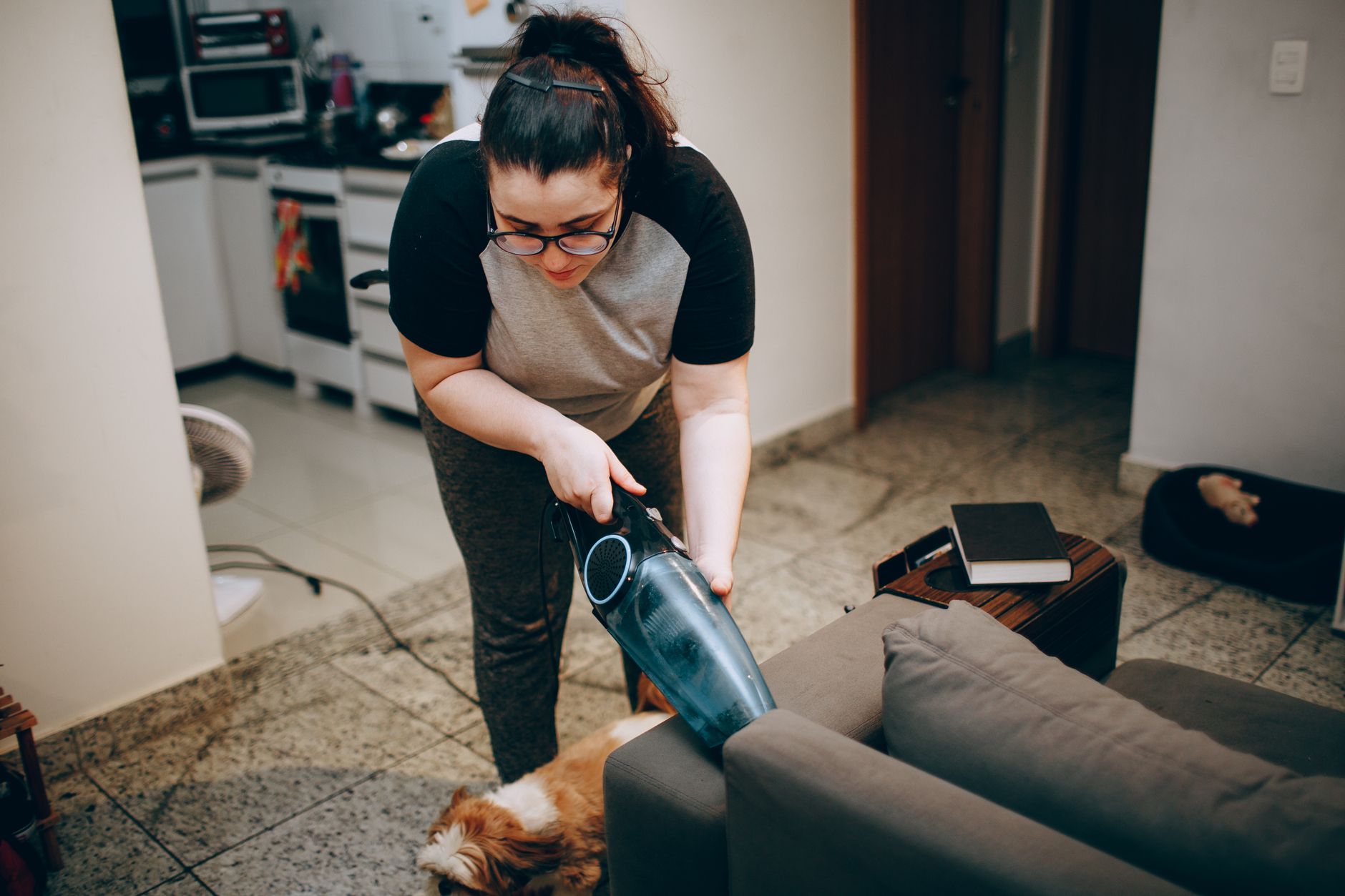
Step-by-Step Routine to Deep Clean an Upholstered Sofa
When fur has accumulated for weeks, a quick wipe-down will not suffice. Follow this structured step-by-step process to restore your furniture to a clean, allergy-friendly state:
- Clear the Surface: Remove all throw pillows, blankets, and pet toys. Shake out loose blankets outdoors and inspect pillow covers for hidden debris.
- Loosen Embedded Fur: Use a damp rubber glove or rubber squeegee across all cushions, backrests, and crevices to draw deep hair to the surface.
- Vacuum Thoroughly: Use your vacuum cleaner's crevice tool and upholstery brush to suck up the gathered clumps and surface dust. Move slowly in overlapping passes to capture everything.
- Address Static and Odors: Mist the fabric lightly with a pet-safe fabric refresher or a diluted mixture of water and a few drops of fabric softener to neutralize static cling.
- Protect the Surface: Consider placing washable covers or designated pet throws on your furniture's primary seating zones to minimize future direct contact with shedding fur.
Establishing this weekly workflow will significantly cut down the time required to maintain a tidy living space, ensuring dander and loose fur never take over your home environment.
When executing this deep-cleaning workflow, always start from the top of the sofa and work your way down to the floor. Dust, dander, and loose hairs naturally fall downward during the brushing and scraping phases. Vacuuming the floor around the base of the sofa as the final step ensures that hair displaced during the cleaning process does not simply blow back onto nearby rugs or lower furniture panels.
Species-Specific Considerations and Daily Routines
Different pets shed in entirely different patterns throughout the year. Understanding your specific animal's coat cycle allows you to tailor your cleaning frequency.
Canine Coat Management
Dogs with double coats—such as German Shepherds, Labradors, and Golden Retrievers—drop massive amounts of undercoat fur during seasonal changes (spring and autumn). This coarse hair weaves itself tightly into coarse woven fabrics. Daily brushing with an undercoat rake outside prevents this fur from ever reaching your living room couch. Make it a habit to wipe your dog's paws and coat with a damp towel after outdoor walks to keep dirt and loose hair from transferring to light-colored upholstery.
Feline Coat Management
Cats spend a large portion of their day grooming, but their fine, lightweight fur floats through the air and clings via static electricity to almost any textile. Long-haired cats require daily grooming sessions with a slicker brush to prevent painful matting and reduce the volume of loose hair settling on velvet and microfiber furniture. Establish a predictable grooming window right after your cat's morning meal to keep them relaxed and cooperative.
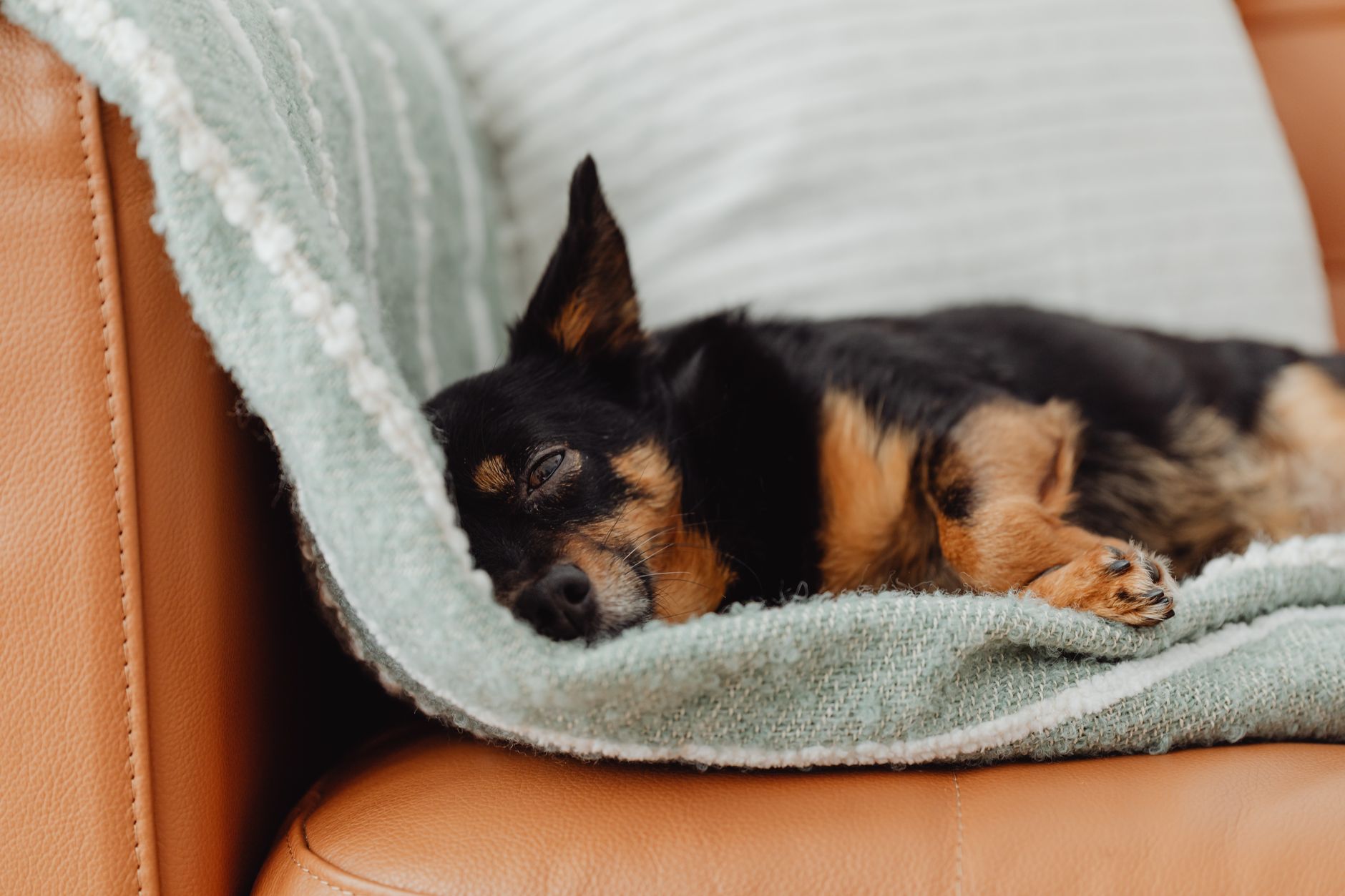
Common Mistakes to Avoid When Removing Pet Hair
Even well-meaning pet owners can damage their furniture or spread mess if they use improper techniques. Keep these common pitfalls in mind during your weekly cleaning sessions:
- Using Soaking Wet Cloths: Too much water can push pet dander, oils, and moisture deep into the foam cushions, creating a breeding ground for mildew, mold, and unpleasant odors. Always keep tools damp, never dripping.
- Scraping Velvet Against the Grain: Always brush velvet and delicate pile fabrics in the direction of the nap to avoid permanent fiber crushing and texture damage.
- Ignoring Regular Pet Maintenance: Cleaning the couch constantly without brushing your pet is fighting a losing battle. Regular outdoor brushing sessions significantly cut down indoor shedding.
- Using Harsh Chemical Cleaners: Strong commercial solvents can discolor upholstery or leave chemical residues that irritate sensitive pet paws and skin when they lounge on the furniture later.
- Bypassing the Fabric Care Label: Always check manufacturer guidelines before applying any liquid anti-static spray or homemade cleaning concoction to avoid shrinkage or dye bleeding.
Another frequent oversight is neglecting the hidden spaces underneath and behind cushions. Pet hair frequently migrates down into the interior decking of a sofa. Periodic deep inspections—removing cushions entirely and vacuuming the wooden or webbed base—prevent localized odors and allergen accumulation that standard surface cleaning misses entirely.
Disclaimer: This article is for informational and educational purposes only. It does not constitute professional upholstery restoration advice or veterinary guidance regarding animal skin health. Always test fabric cleaners on a hidden spot before full application.
Preventive Strategies: Keeping Fur Off Your Furniture
The best way to manage furniture hair is to stop it before it settles. While keeping pets off furniture entirely is an option for some households, many owners prefer a comfortable compromise.
Establish designated pet beds around the living room so your furry friends have comfortable, inviting alternatives to your sofa. Train them to use their own beds through positive reinforcement, high-value treats, and rewarding calm resting behavior. Additionally, regular brushing routines remove dead undercoat fur before it drops onto your carpets and couches. If you have multiple pets, keeping track of their daily routines and needs with tools like the New Pet Checklist can help you establish a sustainable household maintenance schedule.
Training pets to respect furniture boundaries requires consistency and patience. If allowing pets on furniture is permitted, designating a specific "pet blanket" that covers only one section of the sofa teaches animals where they are allowed to sit. This blanket can be easily removed, laundered weekly, and replaced, keeping the underlying upholstery clean and protected from direct oil and hair transfer.

Frequently Asked Questions
What is the absolute fastest way to remove pet hair from a couch?
Using a dampened rubber squeegee or rubber dishwashing glove is widely considered the fastest method. It gathers loose fur into clumps within seconds, allowing you to pick them up easily.
Does fabric softener really help get rid of pet hair?
Yes. Mixing a small amount of fabric softener with water in a spray bottle and lightly misting your upholstery reduces static electricity, which prevents pet hair from clinging tightly to fabric fibers.
How can I remove pet hair from a velvet or microfiber couch without ruining it?
For microfiber, a slightly damp sponge or rubber glove works safely. For velvet, use a dry microfiber cloth or a specialized lint brush moving strictly in the direction of the fabric grain.
How often should I clean pet hair off my furniture?
For heavy shedders or multiple pets, a quick daily pass with a rubber glove or lint roller takes two minutes and prevents heavy buildup. A thorough vacuuming session should be done weekly.
Are sticky lint rollers effective for heavy furniture cleaning?
Traditional sticky lint rollers work well for quick touch-ups on clothing or small pillows, but they become expensive and inefficient for entire sofas. Rubber tools and reusable pet hair removal brushes are far more effective for large upholstery surfaces.
Helpful PawPrintHub Tools
Explore our free interactive tools to help manage your daily pet care routine:
- Pet Grooming Planner: Organize your brushing and bathing schedules to minimize shedding.
- New Pet Checklist: Essential guides and reminders for setting up an organized, clean home environment.
Conclusion
Learning how to clean pet hair off furniture efficiently doesn't have to be an overwhelming daily battle. By combining the right tools—such as rubber squeegees, damp gloves, and proper upholstery attachments—with consistent preventative grooming habits, you can enjoy a clean, fur-free living space while sharing your home happily with your beloved animal companions. Consistency is key, and maintaining a regular maintenance schedule ensures your living room remains fresh and welcoming for both human guests and furry family members alike.
Support free pet guides and tools.
Buy Me a Coffee
Comments
Post a Comment