
How to Care for a Bearded Dragon Shedding Skin Safely: A Complete Reptile Wellness Guide
Watching your scaly companion go through the natural biological process of ecdysis, or shedding, is an everyday part of reptile ownership. However, when a bearded dragon shedding skin safely becomes your primary goal, understanding the delicate balance of humidity, hydration, and nutrition is essential. Unlike mammals that lose fur a few strands at a time, lizards shed their entire outer layer of skin in patches or pieces. When this process goes smoothly, your pet emerges with vibrant, healthy scales. When complications arise, stuck shed can lead to restricted blood flow, tissue damage, or secondary infections. This comprehensive guide provides pet owners with practical, educational insights on how to support their bearded dragon through every stage of the shedding cycle, ensuring lifelong vitality and comfort.
Disclaimer: This article is for educational and informational purposes only and does not replace professional veterinary advice, diagnosis, or treatment. Always consult a qualified reptile veterinarian if you notice signs of distress, infection, or chronic health issues in your pet.
Navigating the complex lifecycle of a captive reptile requires meticulous attention to environmental parameters, daily behavioral observations, and nutritional integrity. For Pogona vitticeps, commonly known as the central bearded dragon, skin shedding is not merely a cosmetic update; it is an intricate physiological event governed by hormones, cellular turnover, and precise metabolic functions. Understanding the nuances of this process empowers keepers to intervene appropriately when assistance is genuinely required, and to exercise beneficial patience when nature should be allowed to take its course without human interference.
Understanding the Bearded Dragon Shedding Cycle
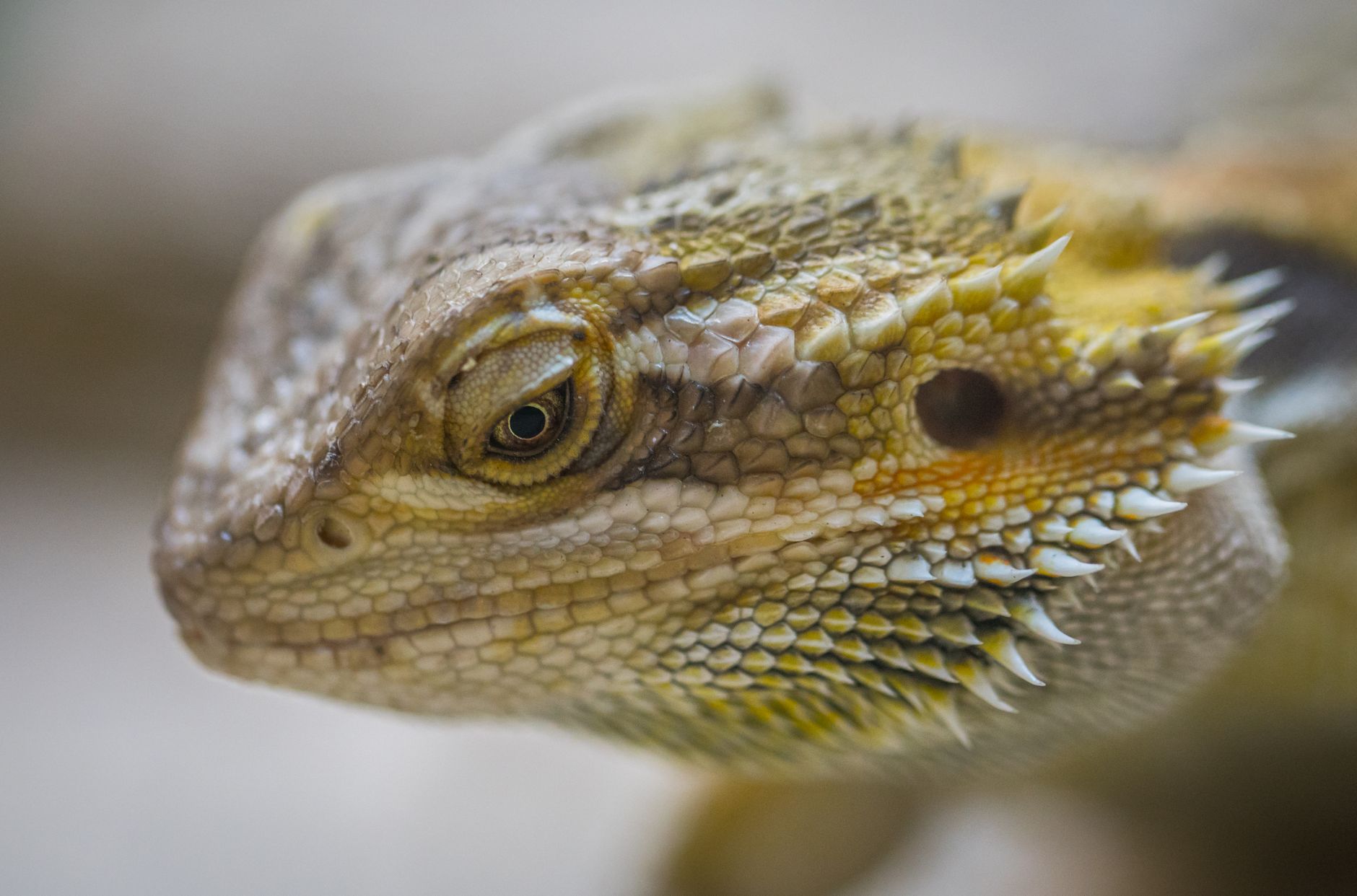
Before diving into care routines, it helps to understand why and how bearded dragons shed. Juveniles shed frequently—sometimes every few weeks—because they are experiencing rapid growth spurts that stretch their rigid dermal armor. Adults shed less often, typically once or twice a year, primarily for skin renewal, damage repair, and general physiological maintenance. The entire process starts deep within the epidermal layers. Old skin cells die off as a new layer forms underneath, separated by a microscopic layer of fluid that ultimately helps detach the spent outer keratin.
This transition phase often changes your pet's appearance dramatically. Days before actual shedding begins, a bearded dragon's skin may take on a dull, grayish, or milky-white hue, particularly around the head, limbs, and tail base. Their eyes may appear slightly cloudy as the spectacle scale loosens, and their temperament might shift due to physical discomfort or temporary vision impairment. Recognizing these early warning signs allows you to adjust their habitat before physical peeling begins, minimizing stress and preventing potential complications.
Metabolic demands peak during this period. Because cellular regeneration requires substantial energy, vitamins, and minerals, your bearded dragon's appetite might fluctuate unpredictably. Some individuals experience increased hunger prior to a shed to fuel the cellular manufacturing process, while others turn their noses up at food entirely until the old skin is fully sloughed off. Monitoring these behavioral shifts ensures you can tailor your husbandry practices to reduce stress and promote a seamless, healthy transition from old scales to new.
Furthermore, the shedding process can be broken down into distinct phases: the pre-shed hormonal and physiological activation, the dulling phase where skin opacification occurs, the active shedding phase characterized by physical flaking and rubbing, and the post-shed recovery phase. Each stage demands specific observations from the pet owner. For instance, during the active shedding phase, your dragon will actively seek out abrasive surfaces to help pry loose the dead keratin layers, making the arrangement of enclosure decor critically important for their physical comfort and success.
Crucial Environmental Adjustments for a Smooth Shed
Maintaining proper environmental parameters in the enclosure is the single most effective way to ensure your bearded dragon shedding skin safely occurs without complications. While bearded dragons are native to arid Australian deserts, completely bone-dry air in a glass or PVC enclosure can cause skin to become excessively brittle, making it difficult to detach naturally.
- UVB Lighting: Ensure your linear UVB tube is fresh, properly positioned (usually within 12 to 18 inches of the basking spot), and free of mesh obstruction where applicable. Vitamin D3 synthesis is vital for calcium metabolism, which directly supports cellular repair and skin regeneration.
- Temperature Gradients: Maintain a proper basking surface temperature between 100°F and 110°F, alongside a cooler ambient side around 75°F to 85°F. Proper thermoregulation supports the high metabolic activity required during energy-intensive processes like ecdysis.
- Subtle Humidity Adjustments: While chronically high humidity causes respiratory infections, a slight, temporary bump in ambient humidity—around 40% to 50%—can be achieved safely by adding a slightly damp hide box filled with sphagnum moss or placing a larger water dish near the warm side during active peeling phases.
Enclosure decor also plays a functional role during ecdysis. Providing rough surfaces such as clean driftwood, textured rocks, or slate tiles allows your bearded dragon to rub against objects naturally, assisting in the mechanical removal of loose scales. Avoid sharp, splintering, or abrasive materials that could lacerate delicate, newly exposed tissue underneath.
Evaluating the micro-climates within the vivarium is equally vital. A multi-level enclosure design allows the lizard to choose the exact temperature and humidity combination it needs at any given moment of the shedding cycle. For example, a humid hide box provides a micro-environment with elevated moisture levels, letting the dragon soften stubborn patches on its own terms without raising the overall room humidity to dangerous levels that could invite bacterial proliferation.

Step-by-Step Care Practices During the Shed
When you notice your lizard actively shedding, patience is your absolute best tool. The most common and damaging mistake owners make is attempting to pull or peel loose skin away prematurely. This can tear the delicate, newly formed skin underneath, leaving raw, open wounds that are highly susceptible to bacterial and fungal pathogens.
1. Increase Hydration Opportunities
Hydration comes from both internal and external sources. Ensure fresh, clean water is available daily in a shallow, tip-proof dish. You can also lightly mist cage decor or offer leafy greens and vegetables with high water content, such as grated zucchini, yellow squash, or occasional watery treats like melon, to boost fluid intake naturally.
2. Provide Warm Soaks
A shallow, warm water bath can do wonders for softening stubborn skin. Fill a secure, escape-proof basin with lukewarm water (ideally between 85°F and 90°F) only deep enough to reach your pet's mid-chest—never deep enough to risk accidental aspiration. Allow them to soak undisturbed for 10 to 15 minutes. Never leave your lizard unattended during bath time. Afterward, gently pat them dry with a clean, soft towel.
3. Soft Manual Assistance (If Necessary)
If skin has completely detached from the body and is hanging loosely from the tail or back, you can gently use a clean, soft-bristled infant toothbrush to massage the area in the direction of scale growth during a warm soak. Never pull skin that remains adhered to live tissue.
Creating a structured daily routine during the shedding window helps keep your pet calm and secure. Handle your bearded dragon gently, keeping sessions brief since they may feel sore, vulnerable, or defensive due to impaired vision from cloudy spectacle scales. Always practice rigorous hygiene by washing your hands before and after handling your reptile to maintain a clean environment for both you and your pet.
Establishing a predictable handling and care routine also reduces psychological stress. Reptiles thrive on consistency, and knowing that gentle handling is predictable can prevent defensive biting or glass surfing. If your dragon displays excessive agitation during a shed, limit interaction to essential maintenance tasks until the old skin has completely sloughed off.
Common Mistakes to Avoid
Preventing complications requires avoiding common pitfalls that well-meaning pet owners frequently encounter out of a desire to speed up the process:
- Peeling Active Skin: Tearing skin that is still attached to live tissue causes acute pain, disrupts dermal healing, and can create scarring or permanent scale deformation.
- Ignoring Retained Shed on Toes and Tail Tips: Stuck rings of old skin around tiny digits act like rubber bands, progressively cutting off blood circulation and potentially leading to ischemic necrosis or the loss of the digit or tail tip.
- Excessive Humidity: While targeted moisture helps shedding, keeping the entire enclosure overly damp for weeks promotes bacterial proliferation, mold growth, and severe respiratory illness.
- Neglecting Nutrition: Shedding is a metabolically expensive process. Ensure your feeder insects are properly gut-loaded and dusted with appropriate calcium and multivitamin powders to prevent nutritional deficits.
Another frequent error is failing to inspect hard-to-reach anatomical areas. The base of the tail, the femoral pores, the underside of the chin, and around the external ear canals are notorious spots where old skin accumulates unnoticed. Make it a habit to perform a thorough visual scan of your bearded dragon every couple of days while they are progressing through a shed cycle.
For owners managing daily routines, keeping track of feeding schedules, weight fluctuations, and grooming milestones helps maintain overall wellness. Utilizing a Pet Feeding Schedule Generator can keep your reptile's diet consistent, while checking a Pet First Aid Checklist ensures you are ready for minor health surprises.
Detailed Routine for Managing Stuck Shed
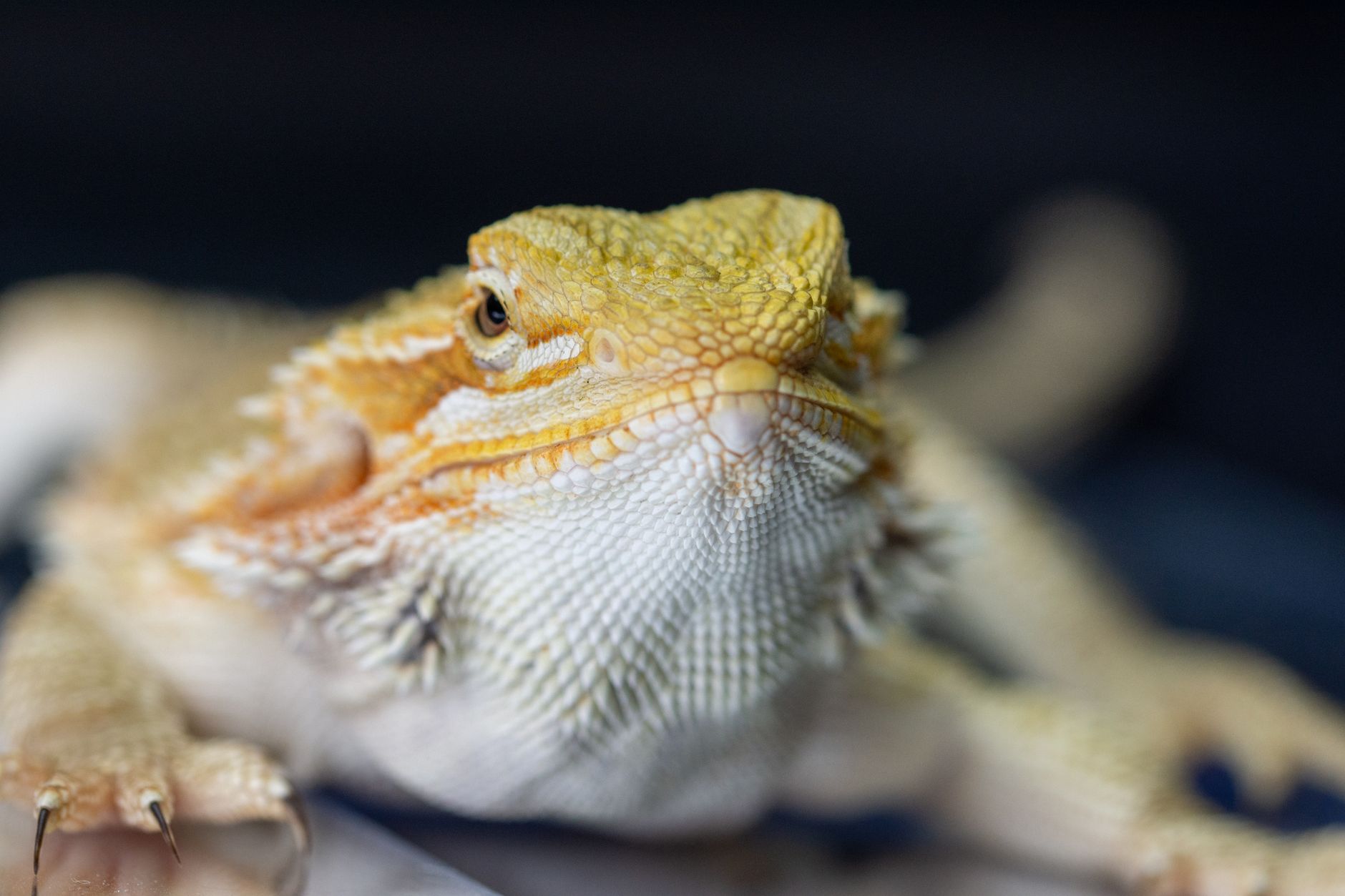
If you identify patches of retained shed (dysecdysis) that fail to slough off naturally after the main body shed is complete, follow this step-by-step corrective routine to resolve the issue safely and effectively:
- Assess the Severity: Determine whether the stuck shed is on a large, flat surface like the dorsal back or a high-risk delicate area like a toe, tail tip, or eye ridge.
- Implement Daily Soaks: Increase warm water baths to once daily for 15 minutes to thoroughly soften keratin layers without stressing the animal.
- Use Damp Compress Techniques: For stubborn spots on the head or body, place a warm, damp washcloth over the area for a few minutes while closely supervising your pet.
- Apply Gentle Friction: Use a clean, ultra-soft infant toothbrush to gently stroke in the direction of scale growth. Never scrub aggressively or use chemical soaps.
- Evaluate Progress: If the skin does not release after 3 to 4 days of consistent soaking and gentle care, contact your veterinarian rather than forcing the issue and risking injury.
Handling dysecdysis promptly prevents minor aesthetic issues from escalating into severe veterinary emergencies. When stuck shed accumulates around the eyes, it can trap debris and lead to conjunctivitis or corneal abrasions. Similarly, retained skin on the tail tip can impede blood flow during subsequent growth phases, making proactive management an essential pillar of responsible reptile ownership.
When to Seek Professional Veterinary Help
While most shedding cycles proceed without a hitch when husbandry is correct, certain red flags require prompt veterinary intervention. If you notice any of the following clinical signs, schedule an appointment with an experienced reptile veterinarian immediately:
- Retained skin that persists across multiple shedding cycles, particularly on sensitive anatomical areas like the eyes, nostrils, or toes.
- Swollen, discolored, or blackened digits resulting from trapped, constricting rings of old shed.
- Open sores, bleeding, or weeping wounds under patches of skin that were forcibly pulled or accidentally torn.
- Complete loss of appetite lasting more than a week, extreme lethargy, or open-mouth breathing accompanied by mucus, which can indicate a concurrent respiratory infection.
Veterinary professionals can safely remove stubborn retained shed using specialized sterile micro-instruments and administer targeted treatments for secondary infections or nutritional deficiencies if underlying health issues contributed to the shedding difficulty. Early intervention by a professional minimizes long-term tissue damage and restores your pet to optimal health.
Frequently Asked Questions
How long does a bearded dragon shedding cycle last?
The entire process, from the initial dull skin discoloration to the final flake dropping off, typically takes anywhere from one to three weeks. Juveniles shed continuously due to rapid growth spurts, while adults shed in distinct, shorter seasonal phases.
Should I pull off loose skin from my bearded dragon?
No. You should never force or pull skin that is still attached to live tissue. Only remove skin that has completely detached on its own or use gentle warm water baths and soft brushing to help loosen stubborn flakes.
Why are my bearded dragon's eyes cloudy before shedding?
Cloudy eyes are entirely normal right before a shed. A specialized transparent scale called the spectacle covers the eye, and the old layer loosens and turns opaque just days before sloughing off. Never poke or rub your lizard's eyes during this time.
How often do adult bearded dragons shed?
Adult bearded dragons usually shed on an irregular, seasonal basis, typically once or twice a year. The exact frequency depends on their diet, lighting quality, overall health status, and physical maintenance.
Can I use oils or lotions to help with stuck shed?
Most commercial lotions, oils, or human petroleum products are unsafe for reptiles because they can clog their pores (such as femoral pores) or alter normal cutaneous respiration. Stick to plain, warm water baths unless otherwise directed by a qualified veterinarian.
Do bearded dragons eat their shed skin?
Unlike some snake species, bearded dragons rarely eat their shed skin. If you find leftover skin scattered in the enclosure, it is best to remove it promptly to maintain high hygiene standards and prevent bacterial growth.
What role does humidity play during shedding?
While bearded dragons are desert animals, a slight increase in ambient humidity helps prevent the outer keratin layer from becoming brittle. Using a humid hide box provides the right amount of localized moisture without risking respiratory issues caused by a wet cage.
Can poor nutrition cause stuck shed?
Yes. Deficiencies in vitamins A and D3, as well as calcium imbalances, can compromise skin health and lead to incomplete or stuck sheds. Proper supplementation and gut-loaded feeder insects are vital for healthy skin regeneration.
Conclusion
Caring for a bearded dragon shedding skin safely is a rewarding aspect of reptile husbandry that strengthens the bond between you and your scaly companion. By maintaining optimal enclosure temperatures, ensuring proper hydration through baths and diet, and practicing patience during the peeling process, you can prevent common issues like retained shed and constricted digits. Always monitor your pet closely for warning signs of distress, and consult a professional veterinarian when in doubt. With attentive care, your bearded dragon will transition through every shed smoothly and maintain vibrant health for years to come.
Helpful PawPrintHub Tools
Support free pet guides and tools.
Buy Me a Coffee
Comments
Post a Comment