
Dog Hydration Needs: How to Calculate Water Intake and Keep Your Canine Properly Hydrated
Water is the most crucial nutrient for your canine companion, yet it is frequently overlooked in daily pet care discussions that focus primarily on kibble and treats. Every cellular function, digestion process, temperature regulation mechanism, and joint lubrication system in your dog's body relies directly on adequate daily fluid consumption. Understanding dog hydration needs empowers you to monitor your pet's wellness closely, prevent dangerous medical emergencies, and ensure your furry friend maintains optimal physical vitality throughout every life stage. This comprehensive guide explores everything you need to know about calculating accurate daily fluid volumes, recognizing subtle warning signs of fluid imbalance, and establishing effective habits to keep your dog healthy and hydrated.
Disclaimer: The following content is for educational purposes only and does not replace professional veterinary advice, diagnosis, or treatment. If you suspect your dog is experiencing severe dehydration or any underlying medical condition, consult a licensed veterinarian immediately.

Why Water Is the Ultimate Nutrient for Your Canine
An adult dog's body is composed of approximately 60 to 70 percent water, making hydration an absolute prerequisite for survival and optimal health. Water acts as the primary medium for metabolic reactions, transports vital oxygen and nutrients through the bloodstream, flushes out metabolic waste products via the kidneys, and cushions internal organs and joints. Furthermore, dogs do not possess sweat glands across their skin like humans do; instead, they rely heavily on panting and respiratory evaporation to cool down. This cooling process accelerates moisture loss, meaning active dogs or those exposed to warm environments require significantly more fluids to maintain internal temperature balance.
When a dog's water intake drops below physiological requirements, every organ system begins to strain. Proper nutrition cannot be fully utilized without adequate fluid levels, as digestive enzymes and nutrient absorption pathways depend on moisture-rich environments within the gastrointestinal tract. By paying close attention to your pet's drinking habits, you actively safeguard their long-term health and prevent acute renal stress.
Cellular hydration also dictates how efficiently your dog's muscles recover after exercise. When water reserves dwindle, blood volume decreases, forcing the heart to work harder to deliver oxygen to working muscles. This extra strain impairs athletic performance and increases the risk of heat exhaustion. By maintaining a steady supply of fresh water, you ensure that circulatory efficiency remains high, allowing your canine athlete or everyday companion to run, play, and explore with ease and safety.
How to Calculate Dog Hydration Needs Accurately
Determining exactly how much water your dog requires daily depends on several dynamic factors, including body weight, activity level, environmental temperature, and diet type. As a general baseline, a healthy adult dog typically requires about one ounce of water per pound of body weight daily. However, this is merely a starting guideline. For precise planning, you can utilize the Pet Water Intake Calculator to factor in your dog's specific lifestyle parameters.
Puppies have much higher metabolic rates and fluid turnover compared to senior dogs, often requiring more water relative to their body weight. Conversely, dogs fed exclusively on wet or canned food receive a substantial portion of their moisture requirements directly from their meals, meaning they may drink noticeably less from their water bowls than kibble-fed dogs. To ensure your feeding and hydration strategy aligns with your dog's complete nutritional profile, you can also cross-reference your calculations with the Pet Food Portion Calculator.
Consider a practical example: A healthy 40-pound adult dog eating dry kibble needs roughly 40 ounces (about 1.25 quarts) of water under normal indoor temperatures. If that same dog goes on a strenuous two-hour hike on a hot summer afternoon, their fluid requirement can easily increase by 50 to 100 percent to compensate for panting and evaporative loss. Similarly, working dogs, nursing dams, and dogs recovering from gastrointestinal illnesses require customized calculations to prevent sudden dehydration crises.

Recognizing Warning Signs of Dehydration in Dogs
Early detection of dehydration is vital for preventing severe medical complications. Because dogs cannot verbally communicate thirst or discomfort, pet owners must learn to read physical and behavioral cues. Common indicators that your dog is not receiving enough water include:
- Tacky or Dry Gums: Healthy gums should be slick, wet, and pink. If your dog's gums feel sticky, dry, or tacky to the touch, fluid levels may be low.
- Loss of Skin Elasticity: Gently pinch the skin over your dog's shoulder blades and release it. In a well-hydrated dog, the skin snaps back into place immediately. If the skin sinks back down slowly or remains tented, dehydration is likely present.
- Sunken, Dull Eyes: Dehydrated dogs often exhibit eyes that appear slightly sunken within their sockets, accompanied by a lackluster brightness.
- Excessive Panting and Lethargy: Unusually heavy panting combined with low energy or reluctance to move can signal both overheating and dehydration.
- Dark Yellow Urine: While you may not always observe elimination, concentrated urine with a strong odor points toward inadequate water intake.
- Dry, Cracked Nose: While a dog's nose moisture naturally fluctuates, a persistently dry, cracked, or warm nose can sometimes accompany systemic dehydration.
- Muscle Weakness and Tremors: Severe fluid and electrolyte imbalances can lead to trembling, uncoordinated movement, and physical collapse.
Practical Strategies to Encourage Your Dog to Drink More Water
Some dogs are naturally enthusiastic drinkers, while others treat their water bowls with complete indifference. If your canine companion falls into the latter category, several creative strategies can help boost daily fluid consumption without stress.
1. Upgrade Your Water Bowls
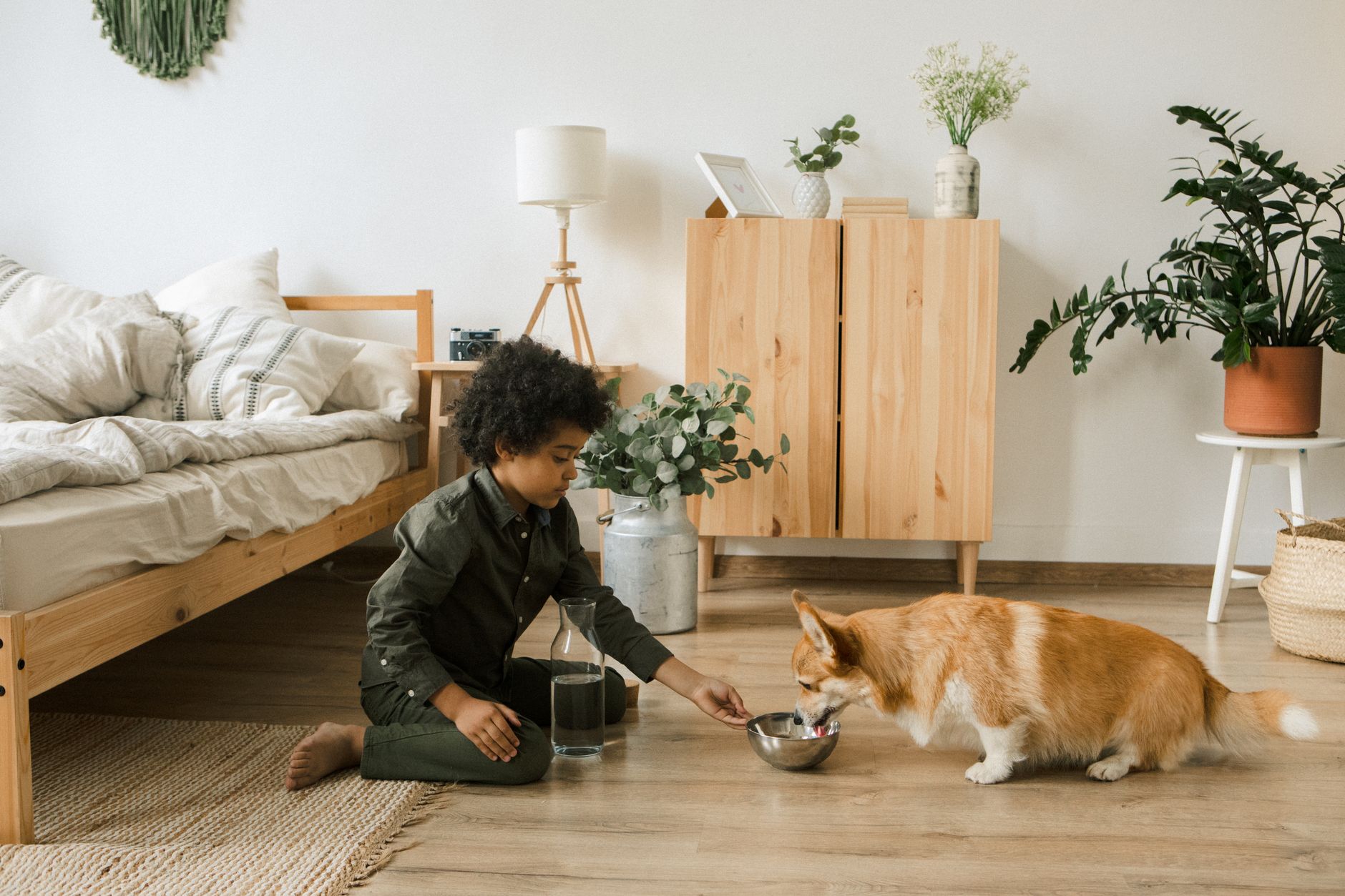
Many dogs dislike stagnant water or bowls that impart chemical tastes or plastic odors. Switch to heavy ceramic or stainless-steel bowls, which remain clean and do not trap bacteria. Ensure you wash these bowls with hot, soapy water daily to remove the slippery biofilm that naturally accumulates.
2. Invest in a Pet Water Fountain
Running water appeals to a dog's predatory instincts and often mimics natural streams. Pet drinking fountains keep water aerated, cool, and moving continuously, which naturally encourages reluctant drinkers to approach the station more frequently throughout the day.
3. Add Flavorful Hydration Boosters
If plain water fails to entice your dog, try adding low-sodium, onion-free and garlic-free bone broth or a splash of tuna juice packed in water to their bowl. Even a few ice cubes shaped like fun objects can turn hydration into an interactive game.
4. Scatter Water Stations Throughout the Home
Make hydration effortless by placing multiple water bowls in high-traffic areas, especially in multi-level homes. Senior dogs or dogs with joint stiffness may avoid walking all the way to the kitchen just to get a drink.
Common Mistakes Pet Owners Make Regarding Dog Hydration
Even well-intentioned pet owners sometimes fall into traps that compromise their dog's hydration safety. Avoid these frequent missteps:
- Leaving Water Out in Direct Sunlight: Water left outdoors in the sun quickly becomes warm and unpalatable, and it encourages bacterial growth and mosquito breeding. Always provide fresh, shaded water stations.
- Forgetting Portable Water During Outings: Owners often pack snacks for walks or hikes but forget a collapsible bowl and fresh water. Always carry hydration supplies during warm weather outings.
- Ignoring Changes in Drinking Habits: A sudden, dramatic increase or decrease in water consumption can signal underlying metabolic conditions such as diabetes, kidney disease, or urinary tract infections. Always consult a veterinarian if you notice abnormal drinking patterns.
- Allowing Access to Toxic Water Sources: Puddles containing fertilizers, standing garden water, or stagnant ponds can harbor harmful parasites like Giardia or toxic blue-green algae. Always prevent your dog from drinking from unsafe outdoor water bodies.
- Offering Ice-Cold Water Too Quickly to Overheated Dogs: While ice seems refreshing, letting an overheated dog gulp freezing water rapidly can trigger dangerous gastric shock or torsion in deep-chested breeds. Offer cool, not ice-cold, water in measured amounts after vigorous exercise.
Breed-Specific Considerations for Canine Hydration
Different canine body types and coat configurations process heat and moisture uniquely. Brachycephalic breeds—such as Bulldogs, Pugs, and Boxers—have compromised respiratory efficiency, meaning they pant much less effectively than long-snouted breeds. Because panting is their primary cooling mechanism, these flat-faced dogs are at a drastically higher risk of heatstroke and dehydration, requiring strict indoor air-conditioning and constant access to fresh water during warm months.
Conversely, double-coated northern breeds like Huskies and Malamutes have thick fur that traps body heat. While their coats insulate them against both cold and heat, they require extra hydration during seasonal shedding periods and warm weather transitions. Working and sporting breeds, such as Labrador Retrievers and Border Collies, expend massive amounts of energy and sweat through their paw pads, making targeted electrolyte and water replacement essential during field work or agility training.
Hydration Needs Across Different Life Stages
A dog's physiological need for water evolves dramatically from puppyhood through their senior years:
- Puppies: Developing organs, high activity levels, and rapid cell division mean puppies require frequent fluid intake. Because they are easily distracted by play, owners should proactively offer water breaks every couple of hours.
- Adult Dogs: Maintenance hydration is the primary focus. Standard calculation formulas apply, adjusted dynamically for exercise frequency, pregnancy, or lactation.
- Senior Dogs: Older canines often experience a decline in thirst sensation, meaning they may not feel thirsty even when their bodies require water. Additionally, senior dogs frequently encounter joint stiffness, making it painful to bend down to floor-level bowls. Elevated water stands and flavored broths can dramatically improve senior hydration rates.
Frequently Asked Questions About Dog Hydration Needs
How much water does a typical adult dog need every day?
As a general baseline, most adult dogs require approximately one ounce of water per pound of body weight daily. However, active dogs, nursing mothers, and dogs eating dry kibble will need higher volumes.
Can a dog drink too much water?
Yes, excessive water consumption, known as polydipsia, can indicate underlying health issues like diabetes or kidney disease. In rare cases, consuming massive amounts of water in a short period can lead to water intoxication, which is a medical emergency.
Is tap water safe for my dog to drink?
In most municipal areas, tap water that is safe for human consumption is also safe for dogs. If your tap water has a heavy mineral taste or strong chemical odor, filtered water may encourage your dog to drink more readily.
Why is my dog suddenly refusing to drink water?
Sudden refusal to drink can stem from dental pain, gum inflammation, stress, or illness. If your dog refuses water for more than 24 hours, contact your veterinarian immediately.
Do puppies need more water than adult dogs?
Yes, puppies have higher metabolisms, grow rapidly, and have lower fluid retention capabilities, requiring careful monitoring of their daily moisture intake.
Can wet food replace water bowls entirely?
While high-moisture canned foods contribute significantly to daily hydration, dogs still require access to fresh drinking water to regulate their body temperature and meet spontaneous thirst needs.
How can I keep my dog's water cool during summer?
Add a few ice cubes to the bowl throughout the day, place the bowl in a shaded indoor location away from direct sunlight, or use an insulated pet bowl designed to maintain cold temperatures.
How long can a dog go without water before it becomes dangerous?
A dog should never go without water for more than 24 hours. Even mild dehydration lasting less than a day can cause lethargy, concentrated urine, and strain on internal organs, while longer periods can result in irreversible organ damage or death.
Should I add sports drinks to my dog's water after exercise?
No, standard human sports drinks contain high levels of sodium, artificial sweeteners (like xylitol, which is toxic to dogs), and sugars that can upset your dog's gastrointestinal tract. Stick to plain fresh water or veterinarian-approved canine electrolyte solutions.
Can dental problems affect my dog's willingness to drink?
Yes, fractured teeth, severe gum disease, or oral ulcers make drinking painful. If your dog approaches the water bowl eagerly but backs away without drinking, check their mouth or schedule a veterinary dental evaluation.
Helpful PawPrintHub Tools
To further support your pet care journey, explore these helpful interactive tools designed to optimize canine health and wellness:
- Pet Water Intake Calculator
- Pet Food Portion Calculator
- Dog Calorie Calculator
- Pet Healthy Weight Checker
Conclusion
Monitoring and supporting your dog hydration needs is a foundational pillar of responsible pet ownership. By calculating accurate daily fluid goals, recognizing early physical signs of water deficit, and offering fresh, accessible water sources throughout your home, you ensure your canine companion lives a healthy, vibrant life. Stay observant, keep water bowls sparkling clean, and consult your veterinarian whenever your dog's drinking habits change unexpectedly.
Support free pet guides and tools.
Buy Me a Coffee
Comments
Post a Comment