
Dog Dental Health Warning Signs: How to Spot Periodontal Disease Early
Maintaining proper canine oral hygiene is one of the most overlooked aspects of general pet wellness. Many pet parents assume that a little doggy breath or slight yellowing on the molars is completely normal, but these indicators often mask underlying dental issues. Understanding dog dental health warning signs empowers you to catch periodontal disease in its earliest, most manageable stages before it impacts your companion's vital organs and overall vitality.
Please note that this guide is strictly educational and does not replace professional veterinary care. If your canine companion is experiencing oral pain or severe dental disease, schedule a professional veterinary examination immediately.
Dental disease remains one of the most prevalent medical conditions diagnosed in adult dogs. Because our canine companions use their mouths not just for eating, but for exploring the world, carrying objects, and expressing emotions, keeping their oral cavity healthy is paramount. Unfortunately, because dogs cannot articulate when a tooth aches or when their gums are inflamed, the responsibility falls squarely on pet parents to observe subtle changes in behavior, breath, and appearance. By mastering the art of early detection, you can prevent minor plaque accumulation from snowballing into agonizing and expensive systemic infections.

Why Canine Oral Health Matters for Overall Wellness
The mouth serves as a primary gateway to your dog's entire physiological system. When plaque and tartar accumulate along the gumline, harmful bacteria multiply rapidly. Left unchecked, these bacteria can breach the gum tissue, enter the bloodstream, and potentially affect the heart, kidneys, and liver. Preventive care at home paired with routine veterinary dental checkups ensures your dog stays healthy from snout to tail.
Beyond internal health, dental pain severely diminishes a dog's quality of life. Dogs are stoic animals that rarely cry out when their teeth hurt. Instead, they often continue to eat while enduring chronic discomfort, altering their chewing habits, posture, and general mood. By learning how to monitor your pet's oral cavity weekly, you can intercept problems before they escalate into painful extractions, bone loss, or systemic infections that require intensive medical intervention.
Periodontal disease is broadly categorized into four distinct stages, ranging from mild gingivitis where plaque irritates the gums without bone loss, to advanced periodontitis where more than fifty percent of the supporting alveolar bone is destroyed. Recognizing dog dental health warning signs in stages one and two is the absolute best way to reverse inflammation or halt progression entirely before irreversible structural damage occurs.
When bacteria enter the bloodstream through diseased gums, they create a phenomenon known as bacteremia. This transient journey allows oral pathogens to seed in distant organ systems. For instance, the heart valves are particularly susceptible to bacterial colonization, which can lead to endocarditis. Similarly, the filtering units of the kidneys and the filtering cells of the liver process these bacterial toxins continuously, increasing the risk of organ stress over time. Maintaining a clean mouth is therefore an act of comprehensive internal medicine, not merely a cosmetic endeavor designed to improve breath.
Top Dog Dental Health Warning Signs You Should Never Ignore
Recognizing the subtle shifts in your dog's breath, behavior, and physical appearance is crucial. Periodontal disease develops progressively, moving from mild gingivitis to severe bone and tissue destruction. Watch closely for the following indicators:
- Persistent Bad Breath: While dog breath is rarely minty, a foul, overpowering odor often signals bacterial overgrowth and decaying food particles trapped between teeth.
- Visible Tartar and Plaque Buildup: Thick yellow, brown, or greenish crusts adhering to the outer surfaces of the molars and canines indicate hardened plaque.
- Red, Swollen, or Bleeding Gums: Healthy canine gums should be bubblegum pink. A dark red line along the teeth or bleeding during chewing points directly to inflammation and gingivitis.
- Changes in Eating Habits: Dropping kibble, chewing exclusively on one side of the mouth, or suddenly refusing hard toys and chews can signal sharp tooth pain.
- Excessive Drooling or Pawing at the Mouth: Unexplained ptyalism (drooling) or persistent attempts to rub the muzzle against furniture or paws often indicate localized oral discomfort.
- Loose or Missing Teeth: Advanced periodontal disease destroys the bone supporting the tooth roots, leading to instability or spontaneous tooth loss.
In addition to these classic symptoms, pay attention to behavioral nuances. A normally affectionate dog that suddenly becomes head-shy, snaps when touched near the muzzle, or withdraws from interactive play sessions may be shielding severe oral pain. Furthermore, chronic low-grade dental infections can drain a dog's energy reserves, leading to lethargy that owners frequently misattribute simply to aging.
Another frequently missed indicator is a noticeable change in grooming habits. Dogs with painful mouths may stop licking themselves or grooming their paws because the movement required by the jaw exacerbates pressure on sore teeth and gums. If your dog's coat suddenly looks unkempt or if you notice an unusual reduction in normal self-grooming behaviors, check their teeth as part of a thorough physical audit.
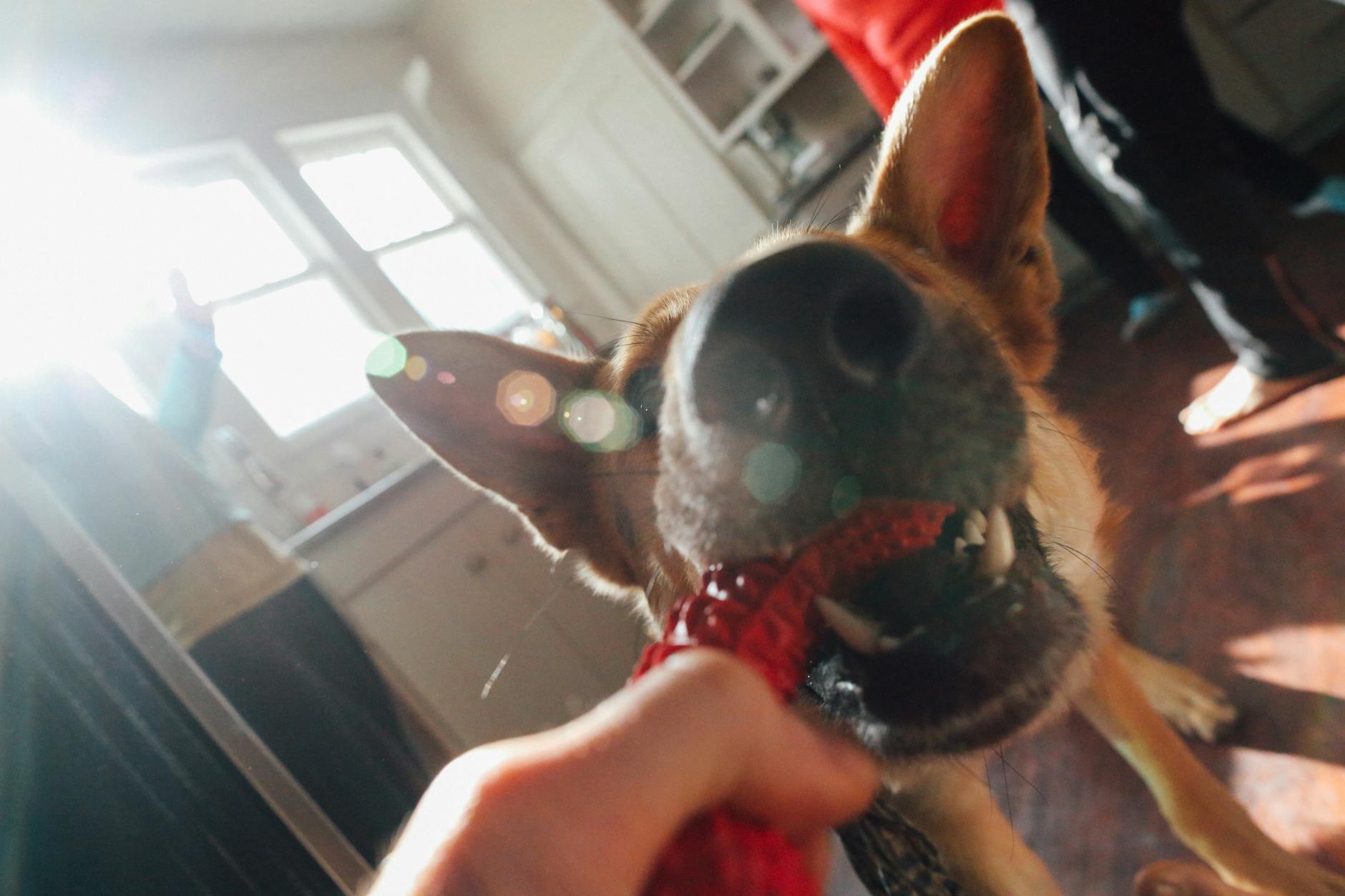
How to Perform a Safe At-Home Dental Checkup
Regular at-home wellness checks allow you to monitor changes over time. Choose a quiet moment when your dog is relaxed—perhaps after a long walk or play session. Never force an unwilling dog; instead, use positive reinforcement and tiny treats to build a cooperative association with mouth handling.
Start by gently lifting the lips on the side of the mouth to inspect the premolars and molars. Check the front incisors and gently feel beneath the jaw for any swelling in the lymph nodes. If your dog tolerates it, press lightly on the gums to see if they blanch and quickly return to pink. Make this a weekly routine so your dog views it as normal bonding rather than a stressful event.
To build a successful desensitization routine, follow these step-by-step habituation techniques:
- Step 1 (Touch Introduction): Gently stroke your dog's muzzle and lips while offering high-value treats for calm behavior over several days.
- Step 2 (Gum Exploration): Run a clean finger gently along the outside of the upper gums and teeth without opening the jaws. Reward immediately.
- Step 3 (Lip Lifting): Practice lifting the upper and lower lips to expose the side teeth for five seconds at a time, gradually increasing duration.
- Step 4 (Taste Testing): Allow your dog to lick pet-safe toothpaste off your finger or a specialized silicone finger brush.
As your dog ages, monitoring their overall physical condition becomes even more critical. You can use our Dog Age Calculator to understand their life stage and tailor their preventive care routine accordingly.
When performing these checks, ensure you are in a well-lit area, ideally near natural daylight or a bright lamp. Look closely at the back molars, as these teeth accumulate calculus fastest due to their proximity to the salivary ducts. Take note of any localized discolorations, chipped enamel, or foreign objects like sticks or hair wrapped around the base of a tooth. If you notice any bleeding during your gentle inspection, record which quadrant of the mouth it originated from so you can share precise details with your veterinarian during your next appointment.
Daily Preventive Care Strategies
Consistent daily habits drastically reduce the speed at which plaque calcifies into stubborn tartar. Incorporating multiple layers of defense yields the best results for long-term canine dental wellness.
Toothbrushing Techniques
Daily toothbrushing remains the gold standard of pet oral hygiene. Always use a toothbrush specifically designed for canines, paired with enzymatic toothpaste formulated in pet-safe flavors like poultry or beef. Never use human toothpaste, as ingredients like xylitol and fluoride are toxic to dogs. Start slowly by letting your dog lick the toothpaste off your finger, gradually introducing the brush over several weeks.
When brushing, angle the bristles at a 45-degree angle toward the gumline where plaque accumulates most densely. Use gentle circular motions, focusing primarily on the outer surfaces of the upper teeth, as the natural abrasive action of the tongue helps clean the inner surfaces.
VOHC-Approved Chews and Toys
Chewing stimulates saliva production, which naturally helps wash away food debris. Look for products bearing the Veterinary Oral Health Council (VOHC) seal of approval. These items are scientifically tested to prove they reduce plaque and tartar accumulation effectively without splintering or fracturing teeth.
Establishing a predictable post-meal or bedtime brushing routine transforms oral care from a chore into a comforting ritual. Many dogs learn to look forward to the flavored enzymatic pastes. Consistency is far more important than aggressive scrubbing; spending just sixty seconds brushing each day yields exponentially better results than a frantic, abrasive five-minute session once a week.
Common Mistakes to Avoid in Dog Dental Care
Even well-meaning pet parents sometimes fall into traps that compromise their dog's oral health. Avoiding these common missteps keeps your routine safe and effective:
- Using Hard Objects: Real bones, antlers, nylon bones that are too hard, and ice cubes frequently cause slab fractures of the carnassial teeth. If you cannot indent the item with your thumbnail, it is likely too hard for your dog's teeth.
- Ignoring Gradual Changes: Waiting until a tooth is visibly rotting or loose means the disease has already progressed significantly. Address minor gum redness promptly.
- Skipping Professional Cleanings: At-home care cannot remove tartar below the gumline. Professional veterinary cleanings under anesthesia are essential for scaling and polishing root surfaces.
- Giving Human Dental Products: Human mouthwashes, baking soda, and human pastes contain chemicals that can upset your dog's stomach or cause systemic toxicity.
- Assuming Dry Kibble Prevents Plaque: While standard dry kibble offers minimal mechanical scraping on the tips of the teeth, it shatters instantly upon contact and does not scrub the gumline where periodontal disease originates.
Another dangerous myth is that letting dogs chew on rocks or metal creates strong jaws. In reality, such abrasive habits rapidly erode tooth enamel, exposing the sensitive pulp chamber and inviting catastrophic root infections. Always provide veterinarian-approved chew alternatives designed to yield under pressure rather than shatter your dog's teeth.
Species-Specific Routines and Environmental Adaptations
Different canine breeds possess distinct skull shapes and dental anatomies that influence their predisposition to dental issues. Brachycephalic breeds (such as Pugs, Boxers, and Bulldogs) feature compressed jaws that crowd teeth together, creating tight spaces where food particles and plaque accumulate rapidly. Toy and small breeds (such as Chihuahuas, Yorkshire Terriers, and Pomeranians) have disproportionately large teeth relative to their jaw size, making them exceptionally vulnerable to overcrowding, retained deciduous teeth, and early-onset periodontal disease.
Tailoring your routine to your dog's specific physical conformation is vital:
- For Small and Toy Breeds: Prioritize daily brushing and incorporate small-breed-specific VOHC dental chews. Monitor closely for persistent baby teeth during adolescence, as these trap debris and accelerate tartar formation.
- For Brachycephalic Breeds: Inspect skin folds around the muzzle during dental checks, as moisture trapped near the lips can exacerbate bacterial and fungal proliferation around the mouth.
- For Large and Working Breeds: Ensure chews are appropriately sized so the dog cannot swallow them whole, and check the large carnassial molars regularly for fracture lines caused by aggressive chewing on heavy items.
Environmental factors also play an unexpected role. Dogs that spend significant time outdoors digging or chewing on abrasive garden mulch may introduce foreign grit into their mouths, which can become wedged between the teeth and gums, causing localized irritation and infection. Keeping play areas clean and monitoring outdoor chewing habits ensures your dog's dental safety extends beyond indoor routines.
When to Seek Professional Veterinary Assistance
While home maintenance is vital, it cannot reverse established periodontal disease. You should schedule a veterinary visit immediately if you notice any of the following "red flag" symptoms:
- Severe swelling around the muzzle or under the eyes (which can indicate a painful tooth root abscess).
- Inability or refusal to eat for more than 24 hours due to oral pain.
- Heavy, continuous bleeding from the gums.
- Broken, chipped, or fractured teeth exposing the pulp cavity (visible pink or dark center).
- Noticeable facial asymmetry or a foul, necrotic odor that does not improve.
Your veterinarian can perform comprehensive dental radiographs, clean below the gumline safely under anesthesia, and extract non-viable teeth that cause chronic infection and pain.
Professional intervention is not limited to extractions. Modern veterinary dentistry utilizes advanced scaling tools, ultrasonic polishers, and fluoride treatments to restore oral health. Dental radiographs are particularly transformative because over half of a dog's tooth structure resides invisibly beneath the gumline. X-rays allow veterinary teams to detect bone loss, root resorption, and hidden abscesses that are completely undetectable during a visual-only examination.
Frequently Asked Questions
Can I use human toothpaste to brush my dog's teeth?
No, you should never use human toothpaste. Human toothpastes contain foaming agents, fluoride, and artificial sweeteners such as xylitol, which are highly toxic and potentially fatal to dogs. Always use pet-safe enzymatic toothpaste.
How often should I brush my dog's teeth?
Daily brushing is the ideal standard for preventing plaque buildup and maintaining healthy gums. If daily brushing is impossible, aim for at least three to four times a week combined with veterinary-approved dental chews.
What causes bad breath in dogs?
While mild doggy breath can happen, persistent foul breath is typically caused by volatile sulfur compounds produced by bacteria living in dental plaque, periodontal disease, or underlying gastrointestinal or metabolic issues.
Are professional dental cleanings safe for older dogs?
Yes, modern veterinary clinics perform thorough pre-anesthetic bloodwork and utilize advanced monitoring equipment to minimize risks. The danger of leaving severe dental disease untreated—such as bacteria entering the bloodstream—often outweighs the minor risks of anesthesia.
Do dental chews replace the need for brushing?
Dental chews are a wonderful supplementary tool that helps reduce plaque mechanically, but they do not replace the thorough mechanical cleaning action of a toothbrush, especially along the gumline and back molars.
How can I tell if my dog has a toothache?
Dogs rarely yelp from tooth pain. Instead, watch for subtle signs like dropping food, chewing on one side, reluctance to eat hard kibble, decreased playfulness, facial swelling, or dropping toys unexpectedly.
At what age should I start brushing my dog's teeth?
You should introduce teeth brushing and mouth handling as early as puppyhood (around 8 to 12 weeks of age) to ensure they accept the routine calmly as they mature into adulthood.
Why is anesthesia required for professional dog dental cleanings?
Anesthesia is necessary because dogs cannot voluntarily hold their mouths open or remain still during scaling. Furthermore, over sixty percent of a dog's tooth structure lies beneath the gumline, requiring specialized cleaning and probing that can only be safely performed on an unconscious patient without causing pain or panic.
Helpful PawPrintHub Tools
To support your journey in keeping your dog healthy, explore our interactive utility:
- Dog Age Calculator: Determine your dog's life stage to adjust their health and wellness routines accordingly.
By keeping a close eye on these dog dental health warning signs, maintaining a consistent home hygiene routine, and partnering with your veterinarian, you can ensure your furry friend enjoys a lifetime of comfortable, pain-free smiles. Committing to proactive oral care today protects your dog's vitality for years to come.
Support free pet guides and tools.
Buy Me a Coffee
Comments
Post a Comment