
Designing a Multi‑Compartment Enrichment Maze for Indoor Hamsters and Gerbils
Hamsters and gerbils are naturally curious creatures driven by an insatiable instinct to explore, forage, and tunnel through their surroundings. In the wild, these small mammals spend hours navigating complex subterranean burrow systems in search of food, safety, and territory maintenance. When kept as indoor pets, providing a secure simulation of this natural habitat is crucial for their overall well-being. A well‑planned multi-compartment enrichment maze not only satisfies their deep-seated instinct to burrow and investigate but also provides essential physical exercise, reduces captive boredom, prevents stereotypical behaviors like cage bar chewing, and can even assist significantly with weight management. This comprehensive guide walks you through the entire process—from understanding species-specific behavioral needs and choosing the right non-toxic materials to setting up safety checkpoints and daily maintenance routines—so you can create a stimulating, secure environment that keeps your small pets active, mentally sharp, and blissfully happy.

Why a Maze Is Great for Hamsters and Gerbils
Both hamsters and gerbils thrive when provided with dynamic mental and physical stimulation within their enclosures. Because captive environments can easily become monotonous, introducing an interactive maze transforms standard enclosure space into a dynamic playground. The primary benefits of incorporating a maze into your pet's routine include:
- Cardiovascular and Muscular Exercise – Running through twists, turns, and ramps encourages natural running, climbing, and jumping behaviors that strengthen tiny limbs and keep hearts healthy.
- Cognitive Enrichment – Navigating dead ends, choosing between multiple pathway options, and figuring out spatial layouts provides essential problem‑solving challenges that engage their brains.
- Stress Reduction and Confidence Building – Having secure, enclosed spaces to retreat into lowers anxiety, helping timid pets feel more secure in their territory.
- Natural Foraging Stimulation – When paired with hidden treats, a maze turns mealtime into an engaging treasure hunt, mimicking their natural foraging habits in the wild.
- Satisfying Burrowing Desires – While not literal dirt tunnels, interconnected chambers fulfill the psychological need to move through dark, protected overhead spaces.
Planning Your Maze: Key Considerations and Species Differences
Before you begin cutting cardboard or assembling wood, it is vital to understand the structural and behavioral differences between hamsters and gerbils. Tailoring your design to your specific pet ensures maximum safety and enjoyment.
1. Size & Scale for Different Species
Hamsters (whether Syrian or dwarf species) and gerbils have distinct physical profiles. Syrian hamsters are larger and stockier, measuring about 6 to 8 inches in length, and require wider tunnels (at least 3 inches in diameter) to prevent them from getting stuck, especially if their cheek pouches are full of food. Dwarf hamsters and gerbils are much smaller (around 4 to 5 inches long) and more agile, meaning they can navigate tighter turns, but they are also exceptional leapers. A proper maze should measure at least 3 to 4 feet in overall length and feature walls 1 to 2 feet high to prevent daring escape artists from vaulting out over the top. Avoid overly tall multi-tier structures without fall protection, as small rodents lack depth perception and can easily injure themselves in a fall.
2. Material Safety and Chewing Tendencies
Both hamsters and gerbils are prolific chewers with continuously growing incisors. Consequently, every single component of your maze must be 100% non-toxic and digestible or safe to pass if ingested in small quantities. Highly recommended construction materials include:
- Unprocessed Untreated Wood – Poplar, birch, kiln-dried pine, and apple orchard wood are excellent for structural walls and partitions.
- Unbleached Heavy-Duty Cardboard – Great for quick DIY projects, though it will eventually need replacement when chewed through.
- Safe Glues and Fasteners – If adhesives are necessary, use only 100% natural, non-toxic glues made from flour and water, or rely on interlocking tab-and-slot wood designs that require zero glue.
- Materials to Strictly Avoid – Plastic tubing that splinters into sharp shards, treated plywood containing formaldehyde or chemical glues, toxic paints, metal mesh with wide gaps, and woven fabric threads that can cause dangerous intestinal blockages if swallowed.
3. Ventilation, Sightlines, and Lighting
A completely sealed maze can quickly become stuffy, humid, and poorly oxygenated, leading to respiratory irritation. Ensure that your multi-compartment design features plenty of ventilation holes drilled along the upper walls of each chamber. Furthermore, consider incorporating removable acrylic or wire-mesh inspection lids. This allows you to check on your pet easily without dismantling the entire structure, while still providing the dark, comforting tunnels that hamsters and gerbils instinctively crave.
4. Accessibility & Emergency Safety
Never design a labyrinth with a single entry and exit point unless it is very short. Complex mazes should feature multiple escape hatches, removable partitions, or wide-open top access. This ensures that if your pet panics, gets wedged with full cheek pouches, or falls ill, you can reach them immediately without causing structural damage or stress.
Step‑by‑Step Construction Guide: Building the Ultimate Maze
Building a custom maze is a rewarding weekend project. Follow this step-by-step framework to construct a durable, engaging, and completely safe multi-compartment enrichment structure.
Step 1: Gather Tools and Materials
Lay out your workspace and prepare your supplies. You will need: untreated hardwood sheets or thick craft plywood, a jigsaw or hand saw, non-toxic wood glue (or a woodburning tool for interlocking joints), sandpaper (120-grit and 220-grit), unbleached cardboard tubes, a measuring tape, and a non-toxic pencil for marking cut lines.
Step 2: Design the Floor Plan on Paper
Sketch your maze layout on grid paper before cutting any material. Create a grid of at least 6 to 8 distinct chambers connected by short hallways. Incorporate at least two "dead ends" to encourage problem-solving exploration, alongside a primary circular loop that keeps the pet moving fluidly through the structure.
Step 3: Cut the Base Board and Exterior Walls
Cut a sturdy base piece of plywood to your desired dimensions (e.g., 24 inches by 36 inches). Sand all edges thoroughly until smooth to eliminate any risk of splinters. Next, cut the exterior perimeter walls to a height of 8 to 10 inches, securing them firmly to the base board using interlocking tabs or safe wood glue. Ensure no glue squeezes out onto the interior surfaces where your pet could lick it.
Step 4: Construct Interior Partitions and Chambers
Cut interior divider walls according to your paper blueprint. Cut circular doorways (at least 3 inches wide for hamsters, 2.5 inches for gerbils) into the base of each partition wall. Sand the inner rims of these doorways meticulously. Glue or slot the partitions into place on the baseboard, creating a network of individual rooms that transition smoothly from one to the next.
Step 5: Add Ramps, Bridges, and Elevation Changes
To maximize vertical space without adding dangerous height, introduce low-profile ramps, staggered platforms, and wooden bridges connecting different chambers. Cover ramps with non-slip surfaces made of untreated cork sheet or rough-cut sisal rope so your pet's paws maintain traction as they scramble upward.
Step 6: Craft Removable Inspection Lids
Build a lightweight top cover using wooden frames fitted with pet-safe galvanized wire mesh (hardware cloth with 1/4-inch spacing). This provides top-down ventilation and lets you drop treats into specific chambers without lifting heavy wooden walls.
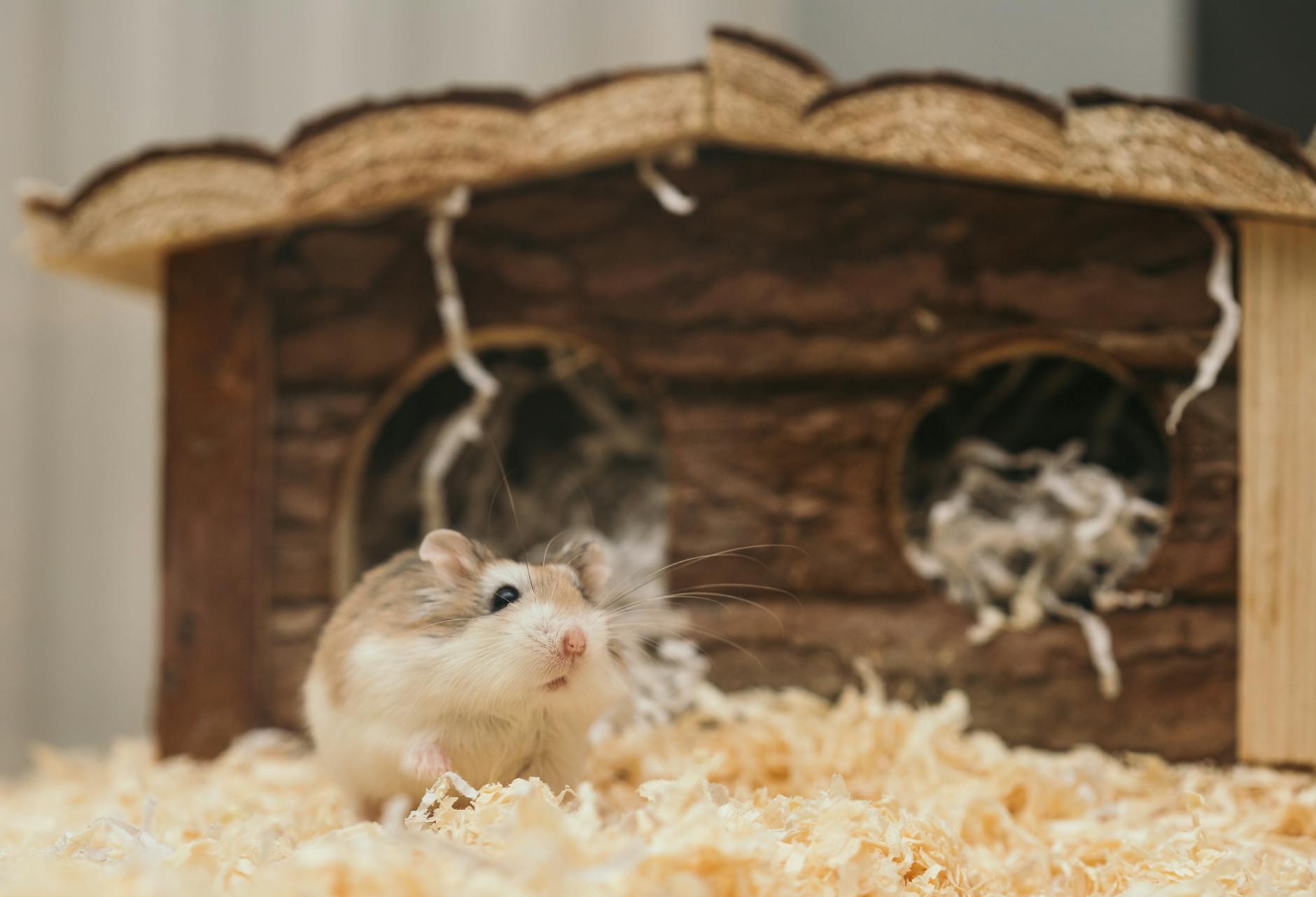
Enrichment Ideas and Interactive Routines Within the Maze
Once your maze is fully constructed and thoroughly dried, it is time to bring it to life. A static maze can quickly lose its appeal, so use these dynamic enrichment strategies to keep your hamster or gerbil endlessly fascinated:
- Foraging Scavenger Hunts – Scatter a portion of their daily seed mix, dried rose petals, or spray millet throughout different chambers of the maze rather than placing food in a plain bowl.
- Texture Variation – Line the floor of one chamber with soft paper bedding, another with smooth river stones (too large to swallow), and a third with dried orchard grass to stimulate tactile senses.
- Rotating Sensory Obstacles – Place safe wooden chew blocks, empty cardboard egg cartons, or crumpled paper bags in random chambers, swapping them out every few days.
- Scent Cues – Occasionally rub a tiny pinch of cat-safe dried catnip or chamomile on a specific wall (if appropriate for the species) to pique their curiosity, though always monitor for adverse reactions.
- The Weekly Layout Shift – If your maze is modular, reconfigure the connection panels weekly to create an entirely new architectural puzzle, preventing boredom from setting in.
Common Mistakes to Avoid
When designing and implementing a small pet maze, even well-meaning owners can make errors that compromise safety. Avoid these frequent pitfalls:
- Ignoring Pouch Expansion – Forgetting that hamsters stuff their cheek pouches to double their body width. Tunnels that look spacious initially can trap a hamster whose cheeks are packed with bedding or food.
- Using Toxic Woods or Glues – Cedar and treated pressure lumber emit aromatic hydrocarbons and chemical resins that are severely toxic to small rodent respiratory systems.
- Creating Unstable Stacked Components – Unsecured bridges or heavy heavy objects that can topple over when burrowed under, potentially crushing a small pet.
- Inadequate Hygiene Protocols – Allowing urine to soak into untreated wood without a protective, pet-safe sealant, leading to bacterial growth and strong ammonia odors.
- Leaving Sharp Edges or Exposed Staples – Failing to sand down plywood edges or using cheap manufacturing staples that pull loose over time.
Daily and Weekly Maintenance Routine
Keeping a maze hygienic requires a consistent cleaning schedule tailored to your pet's bathroom habits:
- Daily Spot Checks – Inspect the maze every morning. Remove any leftover fresh food items (like vegetables or fruit) before they rot, and scoop out any soiled bedding from favorite bathroom corners.
- Weekly Deep Clean – Remove the maze from the main enclosure. Wipe down wooden surfaces with a 50/50 mixture of warm water and white vinegar, or a specialized pet-safe disinfectant. Allow the structure to dry completely in the sun before returning it to the habitat.
- Monthly Structural Audit – Check all glued joints, sanded edges, and chew wear-and-tear. Discard and replace any cardboard or wooden components that have become excessively gnawed or unsanitary.
When to Seek Professional Help
While an enrichment maze is designed to promote health and happiness, sudden behavioral changes can sometimes indicate underlying medical issues. Consult an exotic animal veterinarian immediately if you observe any of the following warning signs:
- Sudden lethargy, lack of interest in exploring the maze, or complete refusal to move.
- Obvious difficulty navigating familiar pathways, which may indicate vision impairment, neurological concerns, or physical injury.
- Unexplained weight loss or gain despite access to proper nutrition and exercise tools.
- Persistent scratching, fur loss, or signs of skin irritation caused by environmental allergens within the enclosure.
Disclaimer: This article is for educational purposes only and does not replace professional veterinary guidance, diagnosis, or treatment. Always consult a qualified exotic pet veterinarian regarding your pet's specific health needs.
Helpful PawPrintHub Tools
To ensure your small pet stays in peak physical condition while enjoying their new enrichment toys, utilize our digital resources. Use our Pet Feeding Schedule Generator to plan precise portion sizes and meal times around your pet's active maze playtime. For ongoing wellness tracking, regularly record their measurements using the Pet Healthy Weight Checker.
Frequently Asked Questions
Can I use a simple cardboard shoebox as a makeshift maze?
Yes, a clean shoebox with entry holes cut into the sides makes a fantastic temporary maze. However, ensure all printed ink is non-toxic, and remove any plastic liners, stickers, or metal eyelets that your pet could chew and ingest.
How often should I thoroughly clean and disinfect the wooden maze?
Perform spot cleaning daily to remove soiled bedding or fresh food scraps. A thorough deep cleaning and vinegar wipe-down should be conducted weekly, ensuring the wood dries completely before reinstalling it to prevent mold.
Is a shared maze safe for multiple hamsters or gerbils together?
Gerbils often live in social family groups and can share a maze well, provided it is spacious enough with multiple exits to prevent cornering. Syrian hamsters are strictly solitary and must never share a maze or enclosure; introduce shared spaces only if housing compatible social species under close supervision.
What should I do if my hamster or gerbil gets stuck inside a tunnel?
Do not panic or pull forcefully on the animal. If your maze was built with removable inspection lids or modular partitions, gently lift the lid or section nearest to your pet to widen the opening and allow them to walk out freely.
Can I add a small water dish inside the maze for hydration?
It is generally safer to keep water bottles or heavy ceramic water dishes outside the maze structure in the main enclosure. Placing water inside a confined tunnel increases humidity, encourages mold growth on wooden walls, and risks the bowl getting tipped over and soaking the bedding.
Support free pet guides and tools.
Buy Me a Coffee
Comments
Post a Comment