PAWPRINTHUB / THE INDOOR CAT EDIT
Small space. More ways to be a cat.
A practical guide to indoor cat enrichment, with 11 apartment-friendly ideas that fit around real life.
A toy under the sofa. A scratching post in the corner. A cat watching you from the kitchen doorway. You may already own the ingredients for a more interesting day; the missing piece is often how you arrange and use them.
These indoor cat enrichment ideas for small apartments give you a simple place to start. Choose one activity, notice your cat's response, and build a routine around the things they actually enjoy.
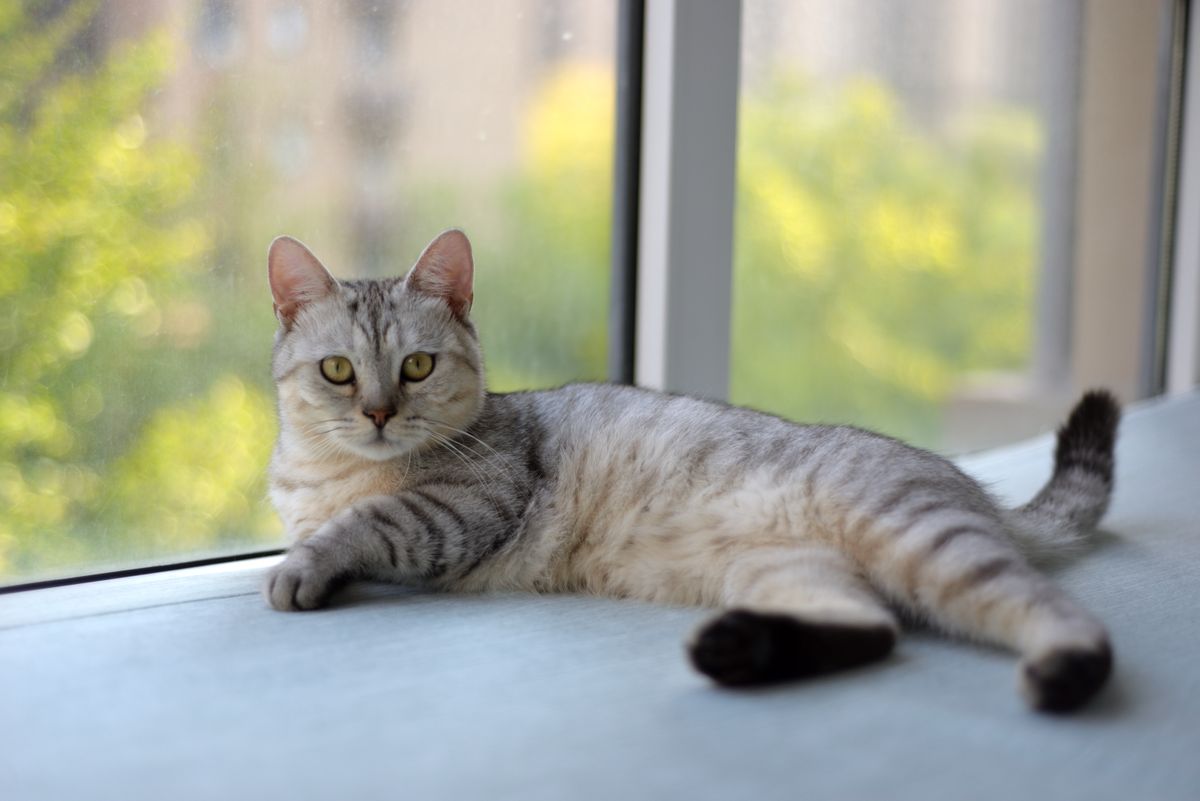
Offer a short play session, a safe place to watch or rest, and an easy activity to investigate. Keep the setup manageable enough that you can repeat it tomorrow.
What is indoor cat enrichment?
Enrichment gives a cat opportunities to express natural behaviour, including exploring, scratching and playing. Cats Protection recommends interactive toys, puzzle feeders and climbing opportunities for indoor cats. A useful home setup also gives cats places to be apart from one another. Read its indoor cat guidance.
For your apartment, think in three areas: an activity you share, something your cat can investigate safely, and somewhere they can choose to settle. You do not need to redesign every room this weekend. Start with the corner your cat already uses and make one deliberate improvement.
11 indoor cat enrichment ideas for small apartments
1. Turn a short play break into a little hunt
Use a suitable wand toy to invite stalking and pouncing, and allow your cat to catch it. Keep hands and feet out of the game. Brief sessions count; Cats Protection notes that even one or two minutes can be fine. Put string toys away afterwards. See its play advice.
Try this: Put a reminder beside your evening tea or coffee. Offer one brief game at that point in your day, then record whether your cat joined in. Consistency becomes easier when the activity has an existing place in your routine.

2. Make a cardboard discovery corner
Set a clean, sturdy cardboard box on the floor with an open entrance. Remove staples, tape and loose packaging first, and discard it if your cat chews or swallows pieces. Boxes offer a simple hiding and play option, also suggested in the Cats Protection play guide.
Small-space version: Use one box that fits beside your chair. Leave it in place for a few days before deciding whether it earns a permanent spot. A photograph of the setup helps you remember which arrangement worked.
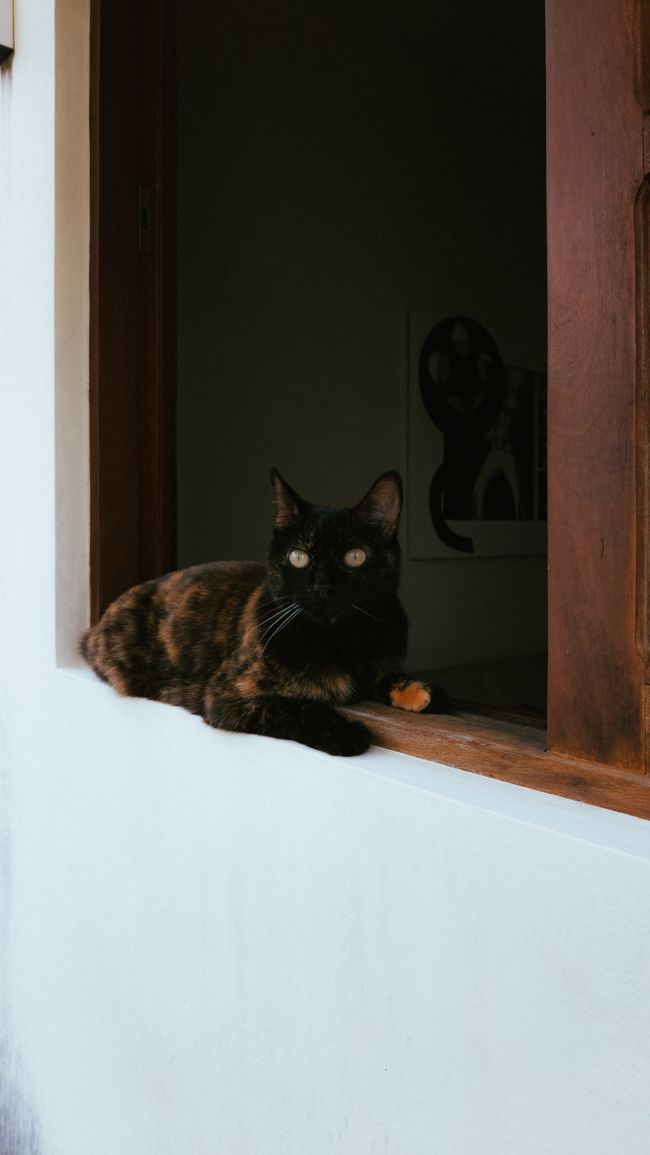
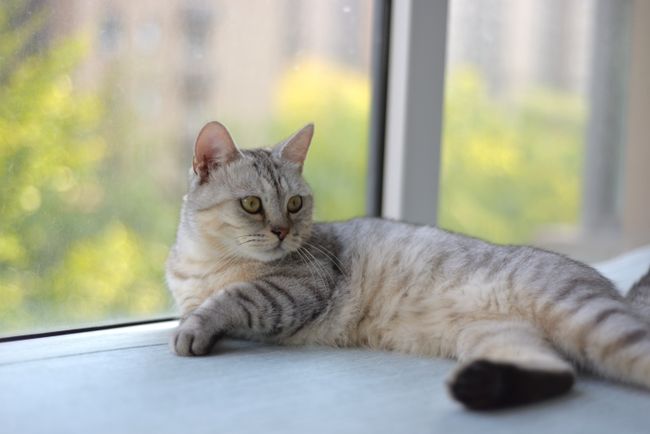
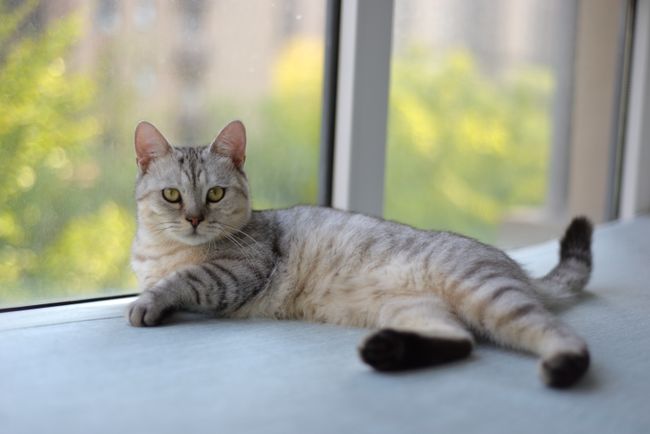
3. Create a secure window-watching spot
Choose a stable resting surface beside a closed window. Keep blind cords inaccessible and prevent access to unsafe openings. Cats Protection highlights falls from windows and balconies as a real risk and recommends suitable protective measures. Check its window and balcony guidance.
Try this: Compare two possible locations at the times you are usually home. Is one beside a noisy appliance? Does the other block a doorway? Pick the spot that works for both the cat and the household, and allow the cat to leave whenever they wish.
4. Start with an easy food puzzle
Food puzzles are one of the enrichment options recommended in the indoor cat guide. Choose a washable design made for cats and introduce it under supervision. Use part of their usual food allowance instead of adding an extra meal; follow any prescribed feeding plan.
Try this: Begin with the easiest setting. Keep the normal feeding arrangement available while your cat learns. Your first goal is simply to discover whether this particular activity interests them, so there is no need to make it harder on day one.
5. Give the scratching station a better address
Scratching is a normal feline behaviour; the Cats Protection indoor guide recommends providing places for it. Use a stable cat scratcher appropriate for your available space.
Try this: Draw a quick room plan and mark where the scratcher currently sits. Is it hidden behind a door or squeezed between furniture? Test one accessible position, photograph it, and give the arrangement time before moving it again.
6. Rotate a small selection of toys
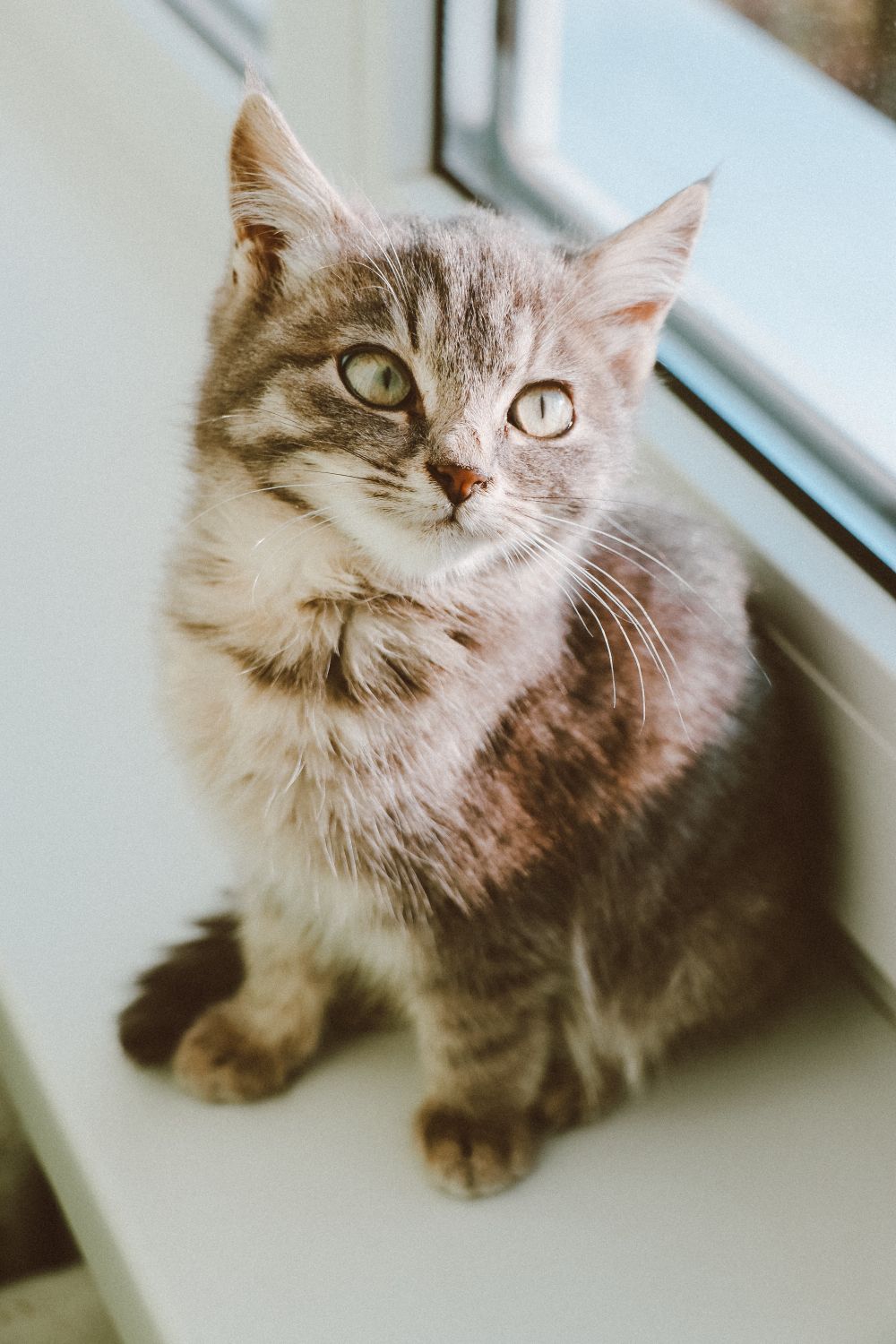
Cats Protection advises swapping toys regularly and checking for damage. Remove items that can unravel, be eaten or cause entanglement. Review its toy safety tips.
Try this: Label two storage containers A and B. Keep only a modest selection available and store the rest out of reach. Note the swap date on your phone. This also makes it easier to see what you already own before buying something similar.
7. Make an enrichment basket for yourself
This idea is about making the routine convenient for you. Keep your supervised-play supplies together in a cupboard or secure container. Add a small note listing your cat's favourite games so another household member can follow the same routine.
Return every item after the session. If finding a toy usually involves searching three rooms, this little organisational change may be the most useful improvement you make all week.
8. Test one change at a time
A new box, new feeder and new play routine introduced together make it difficult to tell what your cat preferred. For your own observations, change one thing and write a short note afterwards: approached, watched, played, ignored, or walked away.
A quiet response is information too. Avoid treating the activity like an assignment your cat must complete. Keep the setup easy to remove if it does not suit your home or your pet.
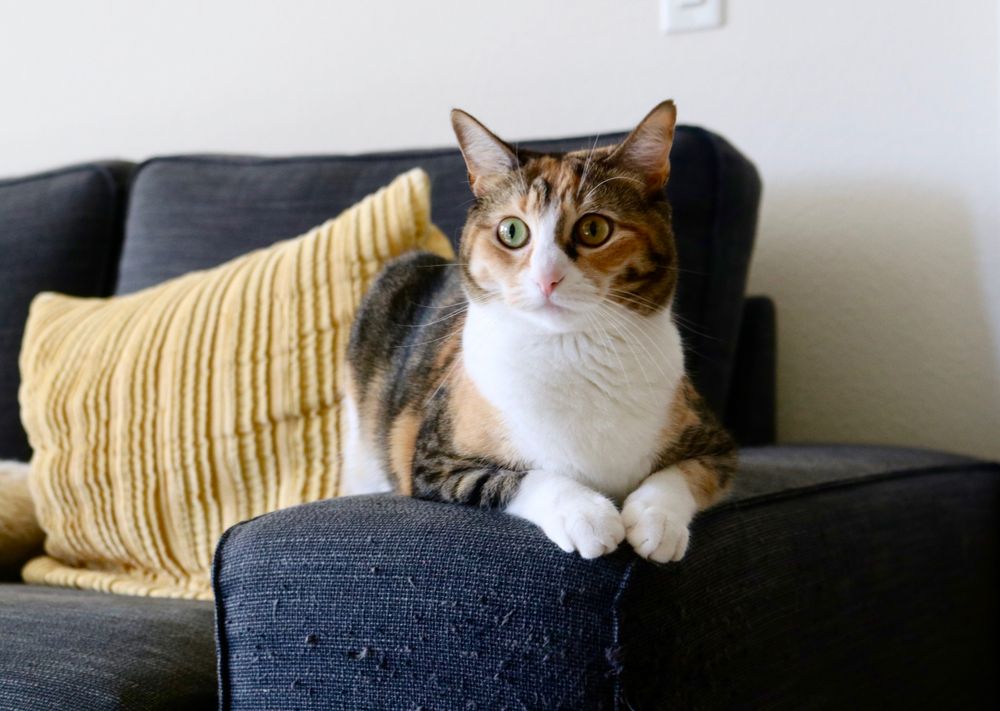
9. Keep a quiet corner on the room plan
When fitting activities into a compact apartment, reserve a spot that will stay out of your exercise route, video-call background and main walkway. Use a resting place your cat already likes rather than assuming a new bed is necessary.
Try this: Put the words “leave this space free” on your room plan. It is a useful reminder when deliveries, laundry or visiting guests temporarily take over the apartment.
10. Write a simple handover for busy days
If somebody else shares your cat's care, make a three-line note: which activity to offer, where the supplies live, and what to put away afterwards. Clear instructions make your routine easier to repeat without relying on memory.
For example: “Offer the blue wand after dinner. It is in the hall cupboard. Return it to the cupboard when finished.” Keep feeding instructions separate and precise so food used in activities is accounted for.
11. Keep a favourite-activities list
Make a note titled “Things my cat chose this week.” Add actual observations: approached the box, followed the wand, ignored the new toy. Include the location and time so you can repeat the useful parts of the setup.
Review the list before shopping. It turns an open-ended search for more products into a specific question: what would improve an activity my cat already chooses?
A simple daily enrichment routine
Use this as a flexible planning example. It is not a required exercise schedule; adapt activities to your cat's age, mobility, interest and veterinary advice.
| Moment | Your action | Quick check |
|---|---|---|
| Before your day starts | Offer a brief familiar game. | Did your cat choose to engage? |
| Before leaving | Check the resting area and remove supervised toys. | Is the space clear and safe? |
| When you return | Offer the current activity you are testing. | What response should you note? |
| Before bed | Put supplies away and prepare tomorrow's setup. | Is anything damaged or missing? |
How to start this week
- Day 1: List what you already own and remove damaged items.
- Day 2: Choose one short play opportunity that fits your day.
- Day 3: Try a safe cardboard box in one convenient spot.
- Day 4: Review the location of the existing scratcher.
- Day 5: Organise supervised-play supplies in one place.
- Day 6: Write a care handover if someone shares the routine.
- Day 7: Review your notes and keep the arrangements that worked.
If an adult cat suddenly becomes aggressive during play, speak to your vet about possible medical causes before assuming more toys will solve it. This is also advised in the Cats Protection play guide. This article provides general enrichment ideas, not a diagnosis.
Frequently asked questions
Where should I start if my apartment is very small?
Pick one existing corner and one activity from this guide. Make sure you can still use doors and walkways normally. A manageable starting point is easier to maintain and evaluate.
Do I need to buy a complete set of enrichment toys?
Start by checking your current supplies. Try the safe box idea, organise a regular play opportunity, and record your cat's preferences before deciding what else would be useful.
What should I write in an enrichment diary?
Record the activity, location, approximate time and what your cat did. A note such as “watched the toy, then approached after a pause” is more useful than a simple success or failure score.
What if my cat ignores an activity?
Note the response and leave room for choice. You can try another familiar activity or review the setup later. Avoid introducing several changes at once just to get a response.
How do I keep the routine going on busy days?
Attach one small activity to something you already do, keep supplies organised, and use a short handover note when another person helps. Choose a routine that fits your actual schedule.
How do I know what to buy next?
Review the activities your cat chose during the week. Identify a specific gap, such as replacing a worn item, before browsing. You may find that rearranging existing supplies is enough for now.
Your first step today
Choose one idea, decide where it fits, and write down what happened. The most useful enrichment plan is one you can keep adjusting to the cat who lives with you.
Comments
Post a Comment